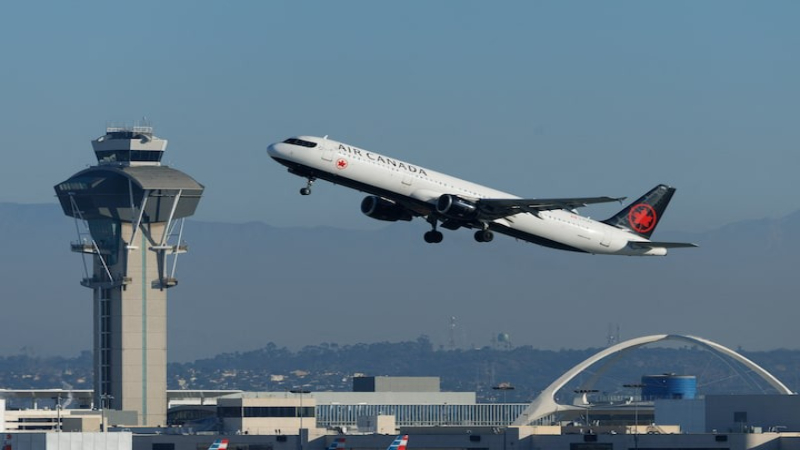
Air Canada announced an expansion of its winter flight network to Europe and Latin America, signaling confidence in sustained demand for long-haul international travel. The carrier said it will introduce new services to Quito, Ecuador, from its Toronto and Montréal hubs beginning in December, using Boeing 787 Dreamliner aircraft. The move reflects a broader strategy among North American airlines to prioritize premium international routes that generate higher yields and support cargo operations. Airlines have increasingly leaned on premium cabins, corporate travel, and loyalty programs as competitive pressures persist in domestic markets, making long-haul expansion a key driver of revenue growth during peak travel seasons.
The airline is also strengthening its European presence by leveraging new narrowbody aircraft capabilities to extend year-round service on select transatlantic routes. Air Canada said it will utilize a new Airbus A321 XLR base at Toronto Pearson International Airport to support continuous service to Copenhagen and Manchester, expanding its reach while maintaining operational efficiency. The aircraft allows the carrier to serve long-distance markets with lower capacity risk compared to widebody jets, aligning fleet deployment more closely with seasonal demand patterns. The strategy highlights how airlines are adapting route planning to balance cost control with network growth as travel demand normalizes across regions.
Latin America remains a focal point of the airline’s expansion, supported by both passenger demand and cargo opportunities. Air Canada has been steadily increasing capacity to the region as economic ties and tourism flows strengthen, positioning the network to capture traffic beyond traditional winter leisure routes. The addition of Quito services builds on this momentum and enhances connectivity between Canada and South America through the carrier’s major hubs. The airline recently also announced plans to launch non-stop flights to Sapporo, Japan, beginning in late 2026, further signaling confidence in long-haul travel recovery across multiple regions.
The expansion comes as labor negotiations continue at the carrier. Unifor, which represents thousands of airport and customer service employees, said it has opened collective bargaining ahead of a contract expiration later this quarter. While the discussions are separate from network planning, labor costs and staffing stability remain key considerations for airlines as they scale operations. Despite these challenges, Air Canada’s winter schedule reflects a broader industry trend of focusing growth on international markets where pricing power and demand resilience remain stronger than in short-haul segments.