The global economy is once again adjusting to a period of pronounced US dollar strength as cross-border trade flows, growth expectations, and external balances shift in response. With a large share of global trade invoiced in USD, fluctuations in the dollar’s value directly influence the cost of imports, the competitiveness of exports, and the financial stability of economies that rely on external funding. As the dollar strengthens, importing nations face higher costs, while export-driven economies may experience both opportunities and challenges depending on their currency dynamics and pricing strategies. These movements are reshaping the short-term growth outlook for advanced and emerging markets alike.
Today’s rise in the dollar is occurring during a phase of uneven global recovery, tight financial conditions, and persistent geopolitical uncertainty. For many economies, the cost of essential goods such as energy, food, and industrial components is increasing due to exchange rate effects rather than fundamental price shifts. This environment places added strain on growth projections, especially for countries with limited fiscal flexibility or high exposure to external currency liabilities. As global supply chains continue to evolve, the dollar’s role in trade pricing remains a key determinant of economic performance.
How a Strong Dollar Is Reshaping Global Trade Costs
The most important trade impact of a stronger dollar is the increase in import prices for countries whose domestic currencies have weakened. Because a large share of global commodities, manufactured goods, and energy products are priced in USD, exchange rate movements directly affect purchasing power. Import-heavy economies face higher costs for essential goods, which can slow consumption, raise inflation, and increase production constraints for industries dependent on foreign inputs.
Exporters may benefit in the short term if their local currencies weaken against the dollar, making their products more competitive in global markets. However, this advantage is often offset by rising import costs for raw materials, capital equipment, and energy. The net effect varies across regions, but the consistent trend is that stronger USD phases create more divergent trade outcomes, with some sectors gaining resilience while others experience added pressure.
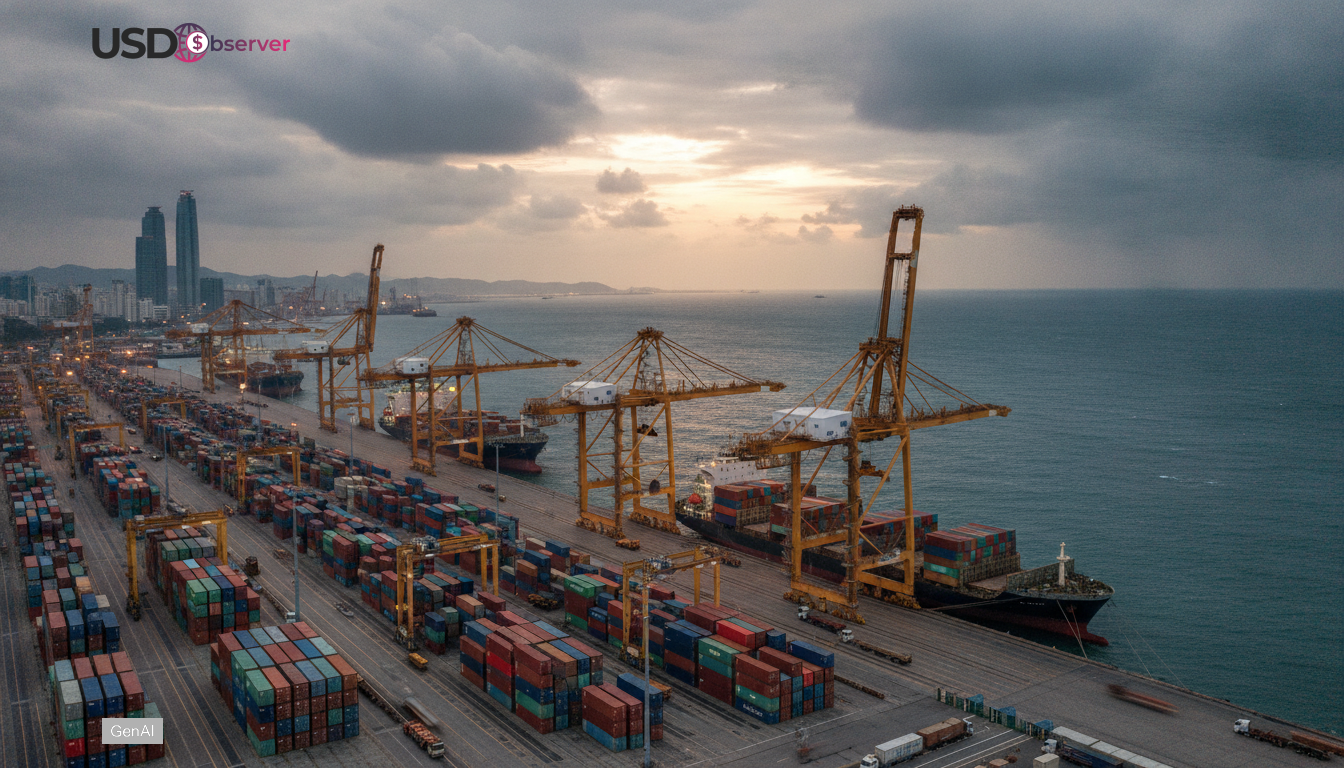
Global shipping, logistics, and financing arrangements are also influenced by these currency shifts. When the dollar rises, firms often delay orders, alter contract terms, or adjust inventory strategies to manage cost uncertainty. These adjustments can lead to temporary slowdowns in trade volumes, especially in regions already facing weaker demand.
Emerging Markets Feeling Stronger Pressure on External Balances
Emerging markets are among the most sensitive to fluctuations in the dollar because many of them rely on USD-denominated financing, commodity imports, and foreign capital inflows. A stronger dollar increases the cost of servicing external debt, reduces investor appetite for EM assets, and tightens domestic liquidity conditions. These effects can weigh on growth, especially in economies with limited reserve buffers or persistent current account deficits.
Countries with high energy import needs or large infrastructure investment pipelines feel this impact more acutely. When the dollar strengthens, their trade deficits can widen due to rising import prices and higher financing costs. Some EM central banks respond by raising interest rates to stabilize their currencies, but this can further constrain growth by tightening domestic credit conditions.
Advanced Economies Adjusting to Shifting Competitiveness
Advanced economies experience a different set of challenges as the dollar strengthens. Export-driven regions such as the eurozone and parts of Asia must navigate the effects of USD pricing on supply chains and industrial activity. A weaker local currency may improve export competitiveness, but if domestic demand is already weak or supply chains remain fragile, the benefit may be limited.
For the United States, the impact is mixed. A stronger dollar reduces import costs and helps contain inflation, but it can also weaken export competitiveness and pressure manufacturing activity. This dynamic influences corporate earnings, especially for firms with significant international exposure.
Global Growth Outlooks Becoming More Sensitive to Dollar Movements
The dollar’s influence on trade flows feeds directly into macroeconomic projections. When the USD strengthens for an extended period, global growth forecasts often become more cautious, especially for EM regions. Higher import costs, tighter financing, and reduced trade volumes contribute to slower expansion.
Institutions such as the IMF and private research firms incorporate currency assumptions into their outlook models precisely because of these effects. Countries with large external exposures must plan policy responses carefully to manage the growth impact. This may involve reserve deployment, targeted fiscal measures, or adjustments to monetary policy.
Conclusion
The strength of the US dollar is reshaping global trade flows and influencing growth outlooks as import costs rise, external balances shift, and competitiveness dynamics evolve. Both emerging and advanced economies are adjusting to the changing trade environment, with each region facing distinct challenges and opportunities. For analysts and traders, monitoring the dollar’s impact on global pricing and macro performance is essential for understanding how the next phase of economic momentum will unfold.