Current State of Oil Prices
Global oil prices have been whipsawing as traders react to shifting headlines, repositioning across futures curves, and sudden changes in perceived supply risk. The crude oil market is showing classic event-driven behavior: intraday spikes on geopolitical soundbites, followed by pullbacks as liquidity returns and physical indicators reassert themselves. Volatility is being amplified by options hedging, where higher implieds force market makers to adjust delta exposure, intensifying short-term moves. At the same time, spreads and time structure matter more than the flat price; prompt barrels are where fear gets priced first, and that is where the signal has been loudest. For a detailed timeline of the recent swings, see oil price volatility on US-Iran talk signals.
Impact of US-Iran Negotiations
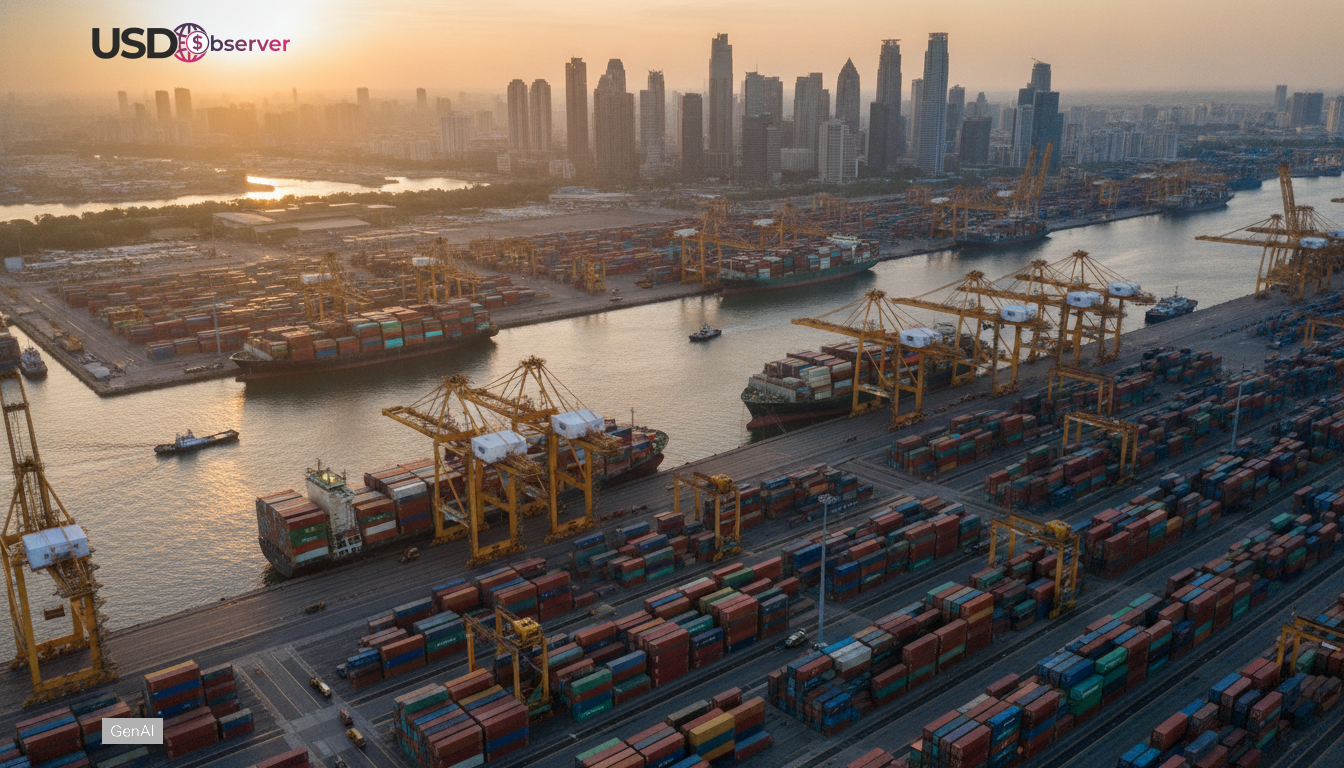
US-Iran negotiations are the immediate catalyst because they reshape assumptions about sanctions enforcement, potential export flows, and the security premium tied to Gulf shipping routes. When Washington rhetoric suggests a diplomatic opening, barrels that were previously discounted by policy risk are modeled back into supply balances, and price momentum can fade quickly. When the tone hardens, the premium snaps back, especially in the front months where refiners and traders manage coverage. This tug-of-war also changes the risk calculus around chokepoints; any hint of disruption turns freight, insurance, and voyage times into market variables rather than footnotes. Coverage of the latest tension signals around these routes is tracked in Strait of Hormuz oil-flow developments, while broader reporting has been carried by Reuters energy market coverage.
Global Economic Consequences
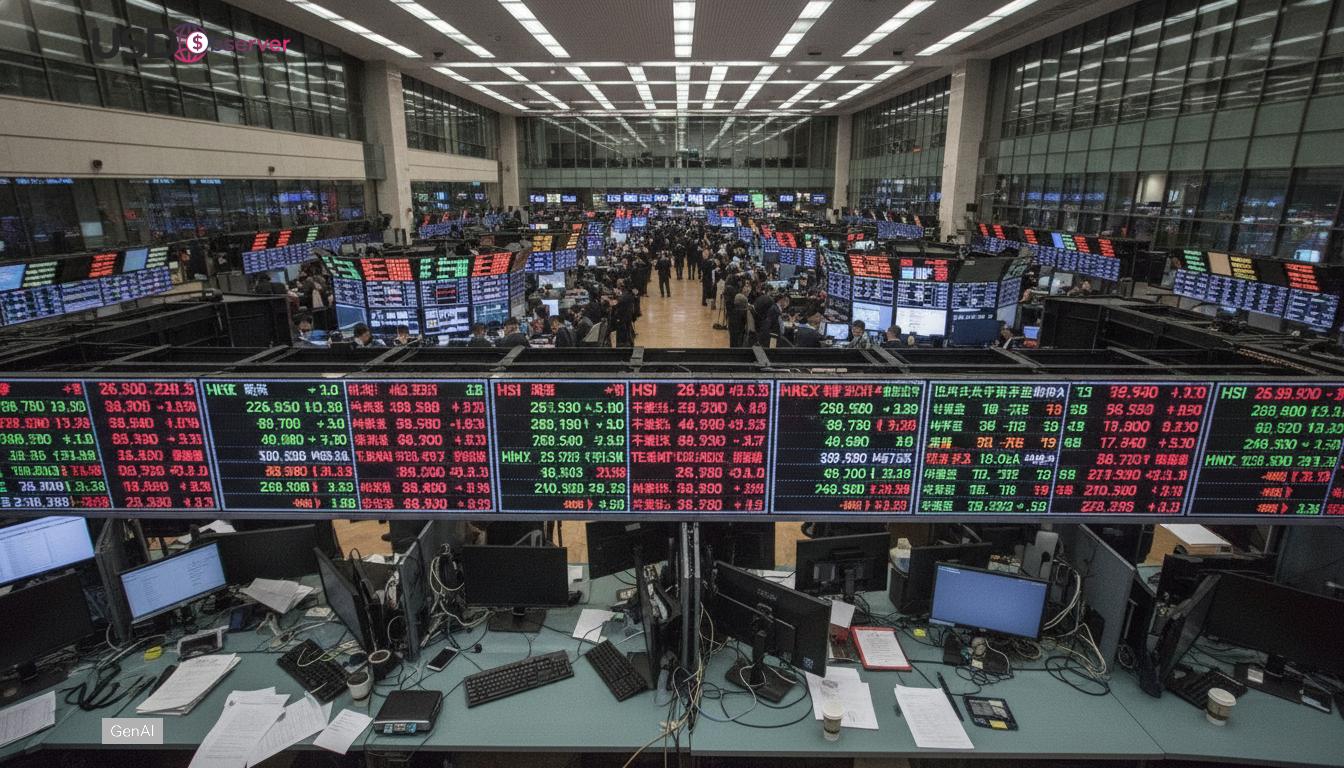
The global economic impact shows up fastest through inflation expectations, currencies, and risk appetite rather than at the pump. Higher crude raises input costs for transportation, manufacturing, and agriculture, pressuring headline CPI and complicating central-bank messaging. For importers, rising energy bills widen trade deficits and can weaken local currencies, while exporters can see fiscal breathing room but also higher domestic price pressures. Markets translate that into higher rate-path uncertainty, with bonds repricing alongside equities as earnings models absorb cost shocks. The USD can catch a safe-haven bid during stress, tightening financial conditions for dollar borrowers and reinforcing the growth hit. That cross-asset linkage has been visible in recent market sessions covered in stocks slipping on oil surge and uncertainty.
Sectoral Impacts and Responses
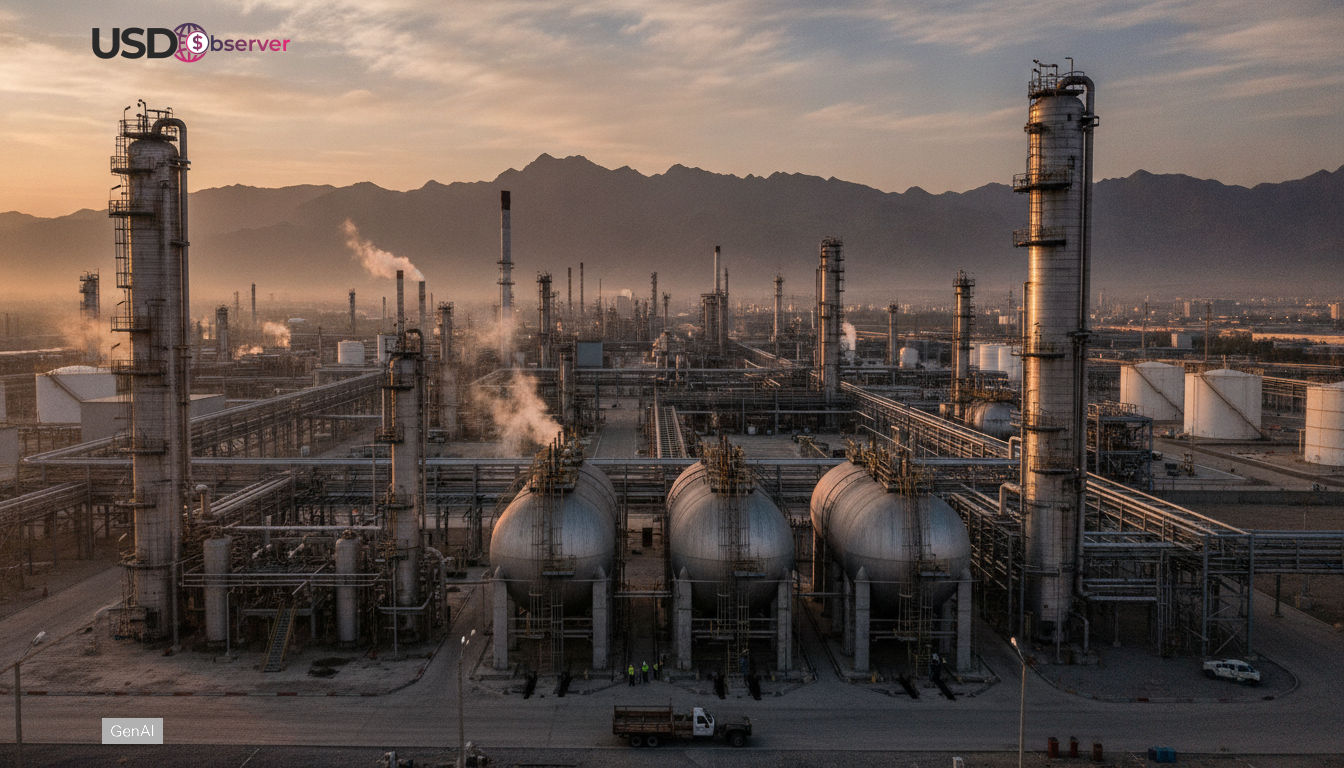
Sectoral effects are diverging sharply, and the winners are not always the obvious ones. Upstream producers benefit from higher realizations, but service costs, hedging books, and government take can blunt the upside. Refiners focus on margins, and a jumpy crude tape can squeeze them if product prices lag or inventories are misaligned, pushing run-rate decisions into a day-to-day grind. Airlines and logistics firms face immediate fuel-cost exposure, often responding with hedges, fare adjustments, and capacity discipline, while petrochemical demand can soften if end markets slow. Governments tend to respond through strategic stock guidance, tax tweaks, or targeted subsidies to contain public anger; an example of policy response in fuel markets is Brazil’s diesel subsidy proposal. Additional context on consumer-facing pressure has appeared via BBC reporting on the latest developments.
Future Projections and Considerations
Future pricing hinges less on dramatic forecasts and more on which constraints bite first: spare capacity, shipping risk, or demand resilience. If headlines keep driving flows, volatility stays elevated and the crude oil market will keep rewarding speed and penalizing complacency, with prompt structure telling the truest story. Investors should watch whether backwardation steepens, signaling tight near-term supply, or whether the curve relaxes as risk premium drains. Another key marker is how quickly producers respond; disciplined capital spending limits supply elasticity, meaning geopolitics can punch above its weight even without physical disruption. For readers tracking how extreme price levels could ripple through growth and policy, Oil Prices Above $100: Global Economic Shockwaves lays out the transmission channels. Near term, the market is trading credibility, not comfort, and it is doing so in real time.