US-Iran Economic Sanctions: Scope and Latest Expansion
US-Iran economic sanctions are reshaping how Iran sells goods, pays for imports, and accesses global finance, with significant effects on insurers, shippers, and banks that clear in dollars. In June 2024, US authorities reportedly expanded pressure on Tehran, and Iranian officials were quoted in media reports as saying the country was “fully prepared” to respond. This suggests a long compliance contest rather than a short disruption. For traders, the impact can be immediate in affected corridors: payment clearance may slow, marine insurance terms could tighten, and screening might increase for counterparties that touch US markets, depending on bank and insurer policy. Contracting in higher-risk routes often includes longer settlement buffers, stricter documentation, and higher fees to reflect enforcement and compliance risk.
Iran Trade Relations Under US-Iran Economic Sanctions
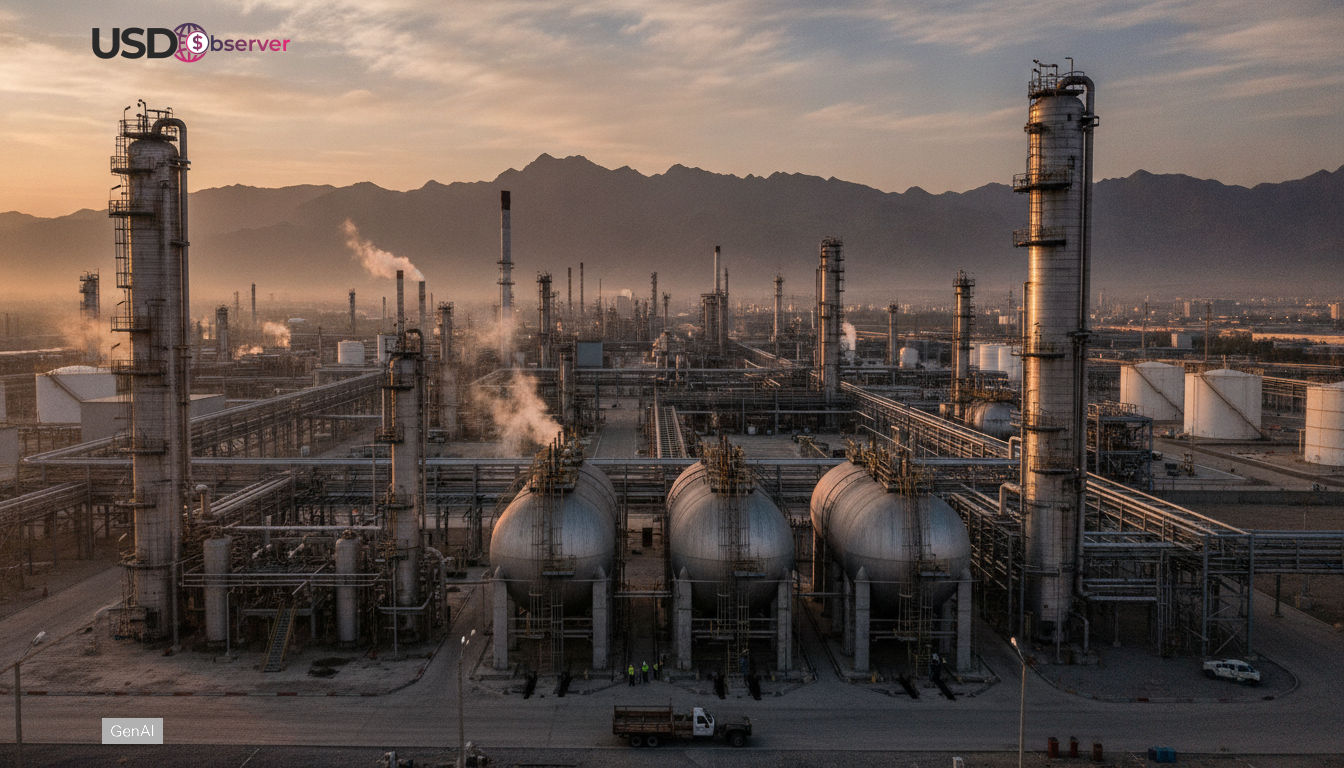
Under US-Iran economic sanctions, Iran’s commerce has increasingly leaned on partners willing to manage legal exposure and logistical complexity, particularly in energy, petrochemicals, metals, and basic manufactured goods, as noted by analysts following related reporting. Reports suggest that trade flows concentrate through fewer relationships that can absorb sanctions friction, reroute shipping, and accept higher compliance overhead. Even when goods move, financing terms may shorten and collateral requirements can rise, limiting volume and increasing costs. These patterns echo broader policy-driven disruptions covered in US Trade War Fears Rise as Trump Widens Tariffs, where firms redesign sourcing when rules change quickly. Counterparties are increasingly pricing not only commodity risk but also documentary and legal risk tied to Iran-linked trade.
Payments, Shipping, and Workaround Settlement Channels
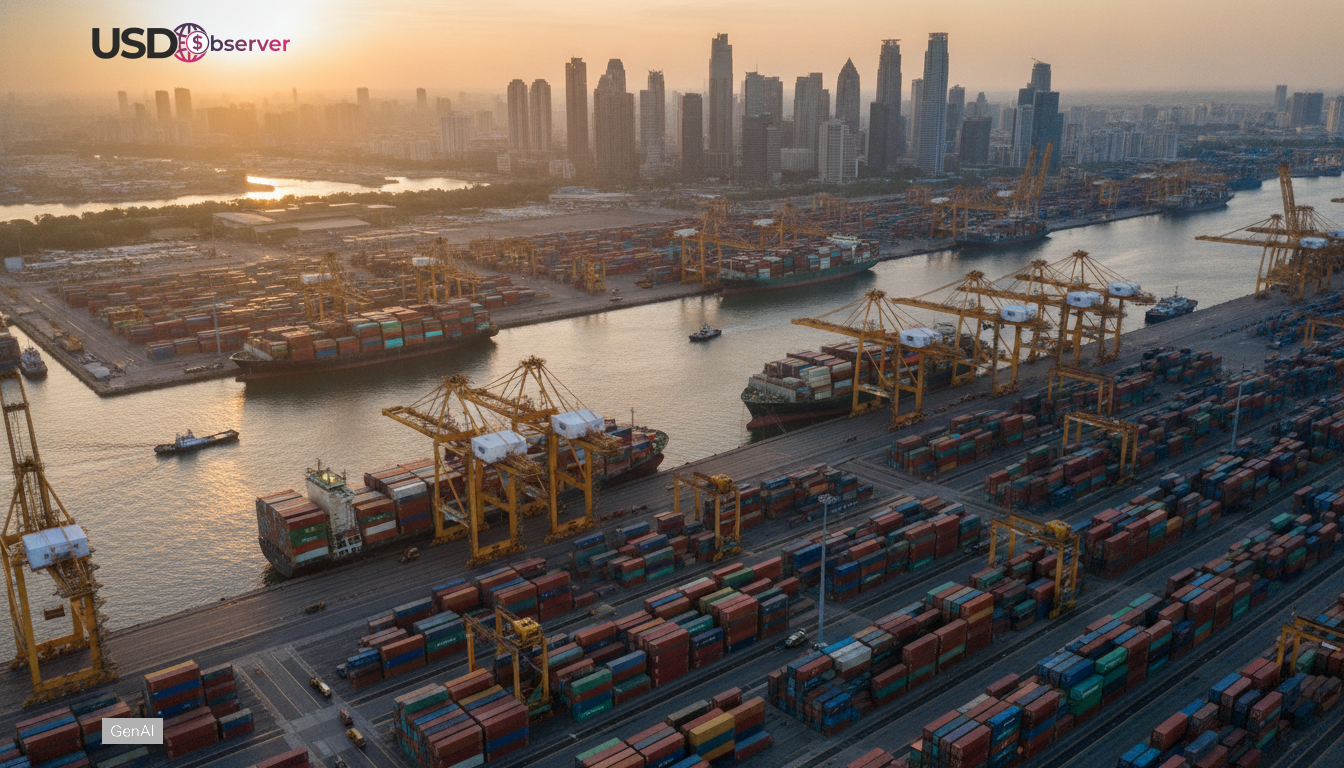
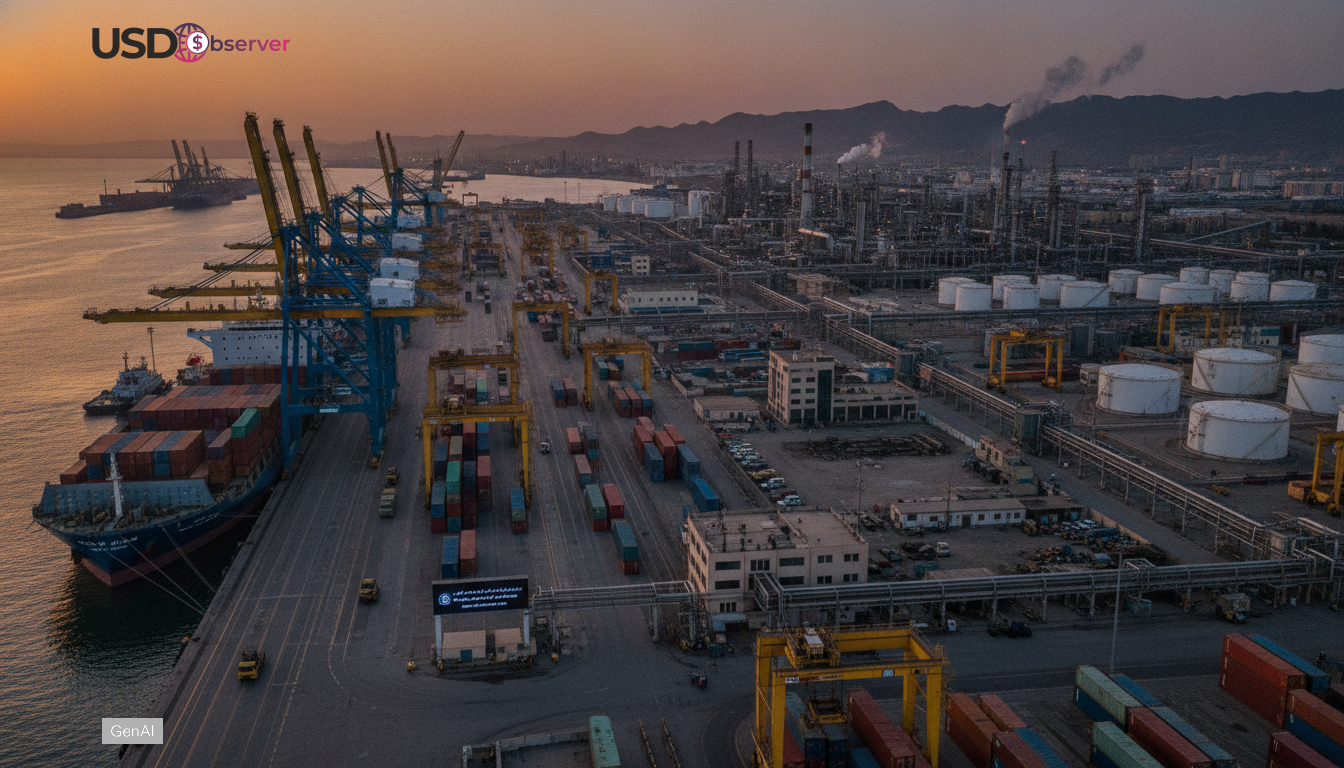
Sanctions pressure is most visible in the plumbing of trade: payment routing, correspondent banking access, marine insurance, and port services, as indicated in compliance guidance and enforcement actions. Firms that cannot rely on mainstream banks may shift to smaller institutions, regional networks, or prepayment structures, which can slow turnover and increase working-capital needs, as per discussions with trade finance practitioners. Some explore alternative settlement tools; the mechanics resemble themes described in Financial rails stablecoins enter payment infrastructure where payment infrastructure adapts when banks retrench. Related shipping bottlenecks, such as those detailed in Panama Canal shipping hit as El Nino cuts transits, show how non-sanctions constraints can compound delays and tighten freight availability. Separately, logistics risk can rise as shipments require more transshipments and more detailed provenance checks, according to commentary cited in sanctions reporting.
Global Pricing and Risk Premiums from Sanctions Pressure
When a major producer faces tighter constraints, price discovery can migrate toward markets accepting higher operational and political risk premiums, according to available reports. Sanctions can increase uncertainty for shipping, insurance, and payments linked to Iranian-origin goods. In practice, global trade shifts may show up as wider bid-ask spreads for cargoes with complex provenance, more frequent transshipments, and longer voyage planning windows, as described by commodities and freight market participants. US-Iran economic sanctions can influence regional competitors as refiners and traders adjust procurement mixes to reduce enforcement exposure. The impact is not limited to energy: freight capacity, credit lines for commodity trade, and FX hedging costs can tighten across connected corridors, depending on risk appetite and regulatory scrutiny.
Outlook for US-Iran Economic Sanctions and Future Trade Flows
The policy direction will determine whether firms treat Iran-linked trade as a managed exception or a longer-term exclusion from mainstream finance, according to compliance advisers and sanctions analysts. Reports on Iran’s response to widened measures suggest Tehran expects persistence, and this expectation could shape investment decisions in logistics, refining, and cross-border payments. US-Iran economic sanctions would then continue to transmit risk into regional pricing and contract terms, reinforcing a segmented market. If enforcement remains intense, Iran trade relations are likely to keep concentrating among intermediaries and buyers with higher tolerance for compliance costs, while major banks and insurers remain cautious, as reflected in sanctions risk guidance and industry practice. The household and industrial impact depends on how reliably imports of critical inputs can be financed and how consistently export revenue can be collected, which varies by sector and channel.