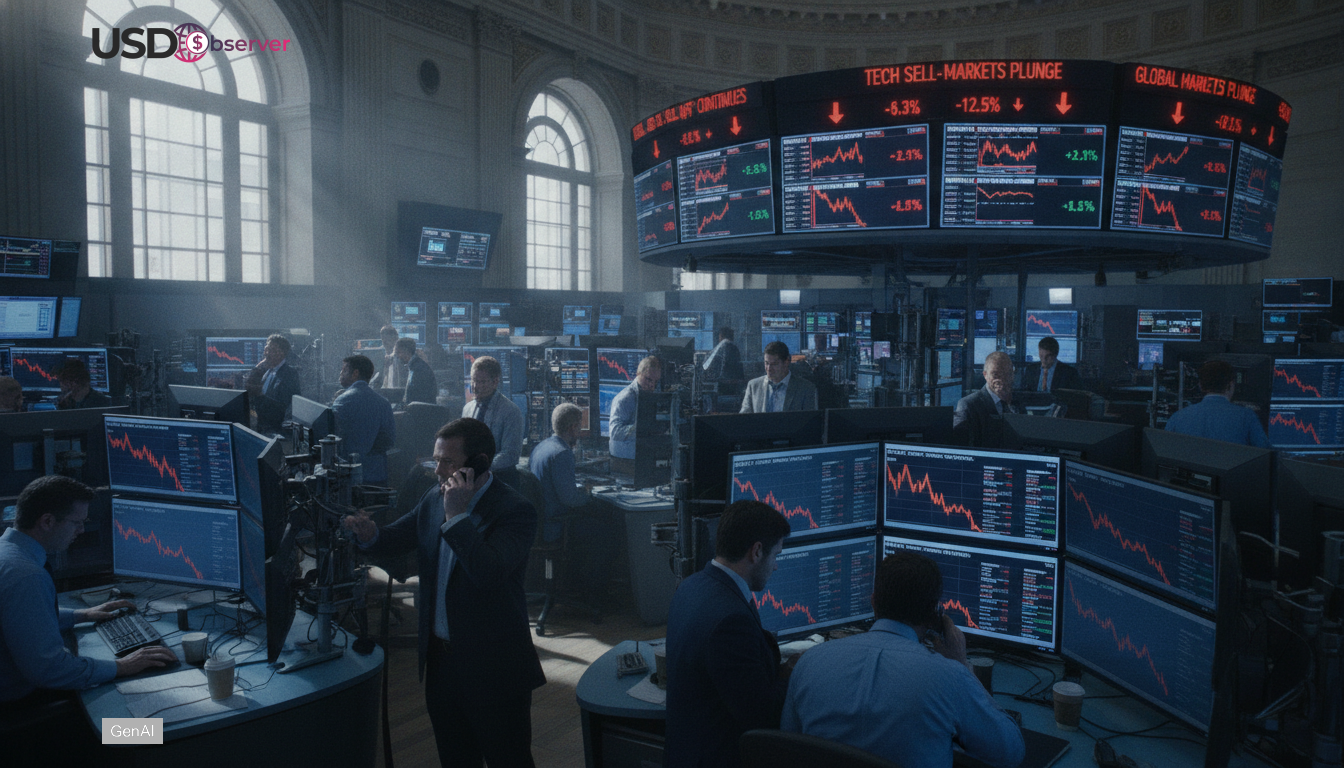
US economic growth slows unexpectedly in Q2 GDP data
US economic growth slowed unexpectedly in Q2, according to the GDP release and national accounts details noted by the BBC, reflecting softer demand and shifting contributions from trade and inventories. The report highlighted that the headline pace cooled even as some categories held up, leaving investors to debate whether the slowdown is temporary or persistent. Markets often react less to the top line than to the underlying mix of consumer spending, business investment, and net exports, as this composition can influence the policy outlook, according to market commentary cited in the financial press. Rate expectations seemed to adjust after the report as traders reassessed how restrictive policy may be and how sensitive risk assets remain to macro surprises, as reflected in typical post-data moves discussed by market participants. In this context, US economic growth matters as much for what drives the number as for the headline itself.
What drove the Q2 slowdown: demand, trade, and inventories
The composition of Q2 economic performance drew scrutiny because different drivers can imply very different next steps for households and firms, as suggested by analysts quoted by the BBC. The report on US economic growth sees surprise slowdown in second quarter highlighted how shifts in spending, trade, and inventories can swing the headline number even when underlying activity still expands. Analysts also watch how imports affect GDP arithmetic and how stockbuilding can reverse from one quarter to the next, as described in standard explanations of the national accounts framework. For a cross market view on how payments infrastructure themes can influence large firms during macro turns, see Visa stablecoin strategy: Q3 call outlines payments plan, which has been discussed alongside shifting corporate priorities in 2024. Taken together, those drivers help explain why the headline can cool even when activity remains positive.
Market reaction: rates, dollar, and risk assets
Investors treated the GDP surprise as a read-through on the growth-inflation balance, with market participants typically watching for changes in Treasury yields, the dollar, and equity discount-rate assumptions after major data, according to widely followed market coverage. In fixed income, desks often look beyond the headline to components that can hint at inflation persistence, including the split between consumption and investment, according to strategist notes commonly circulated around such releases. For context on repricing when policymakers stay on hold, see Federal Reserve Holds Rates Again, Markets Reprice Risk, which is often referenced alongside meeting-week trading patterns. Equity positioning can remain sensitive to any adjustment in the expected policy path, especially in long-duration sectors where valuation depends heavily on rates. Credit markets also weigh whether slower activity implies rising default risk or easing cost pressures for issuers, according to standard credit strategy frameworks.
How Q2 compares with prior quarters and revisions
Relative to earlier releases, the Q2 print reinforced a pattern of uneven quarter-to-quarter performance rather than a straight-line expansion, based on how GDP has moved across recent estimates discussed in mainstream coverage. Comparing recent US GDP growth figures requires attention to revisions, because the Bureau of Economic Analysis can materially change prior estimates as more source data arrives, according to BEA methodology and past revision practice. The latest slowdown described by the BBC fits a sequence where consumption has carried more of the load at times, while inventories and net exports alternated between supporting and subtracting from growth, based on the way GDP components are reported in the national accounts. Rate-sensitive areas stayed in focus as borrowing costs remained elevated, a backdrop frequently cited by economists when discussing financing conditions. Macro linkages can also show up in energy and input costs, which can influence real spending, according to standard macro analysis.
Outlook for 2025: what to watch next for US economic growth
Forward-looking signals now depend on whether softer GDP reflects controlled cooling or a demand air pocket that spreads across sectors, according to economist commentary following the release. In US economic growth 2025 debates, forecasters will likely focus on labor market resilience, real income trends, and the pace at which financial conditions transmit to consumption and capital spending, themes commonly emphasized in outlooks from major banks and research shops. The Federal Reserve has said it will interpret incoming data through its dual mandate lens and stress data dependence across upcoming meetings. Investors will watch inflation, consumption, and hiring prints to judge whether Q2 was a one-off wobble or the start of a slower glide path for US economic growth. For corporates, guidance may tilt toward margin protection and inventory discipline if demand stays patchy, as management teams often highlight in periods of slower growth.