UK pint prices: why they jumped 36% since the last World Cup
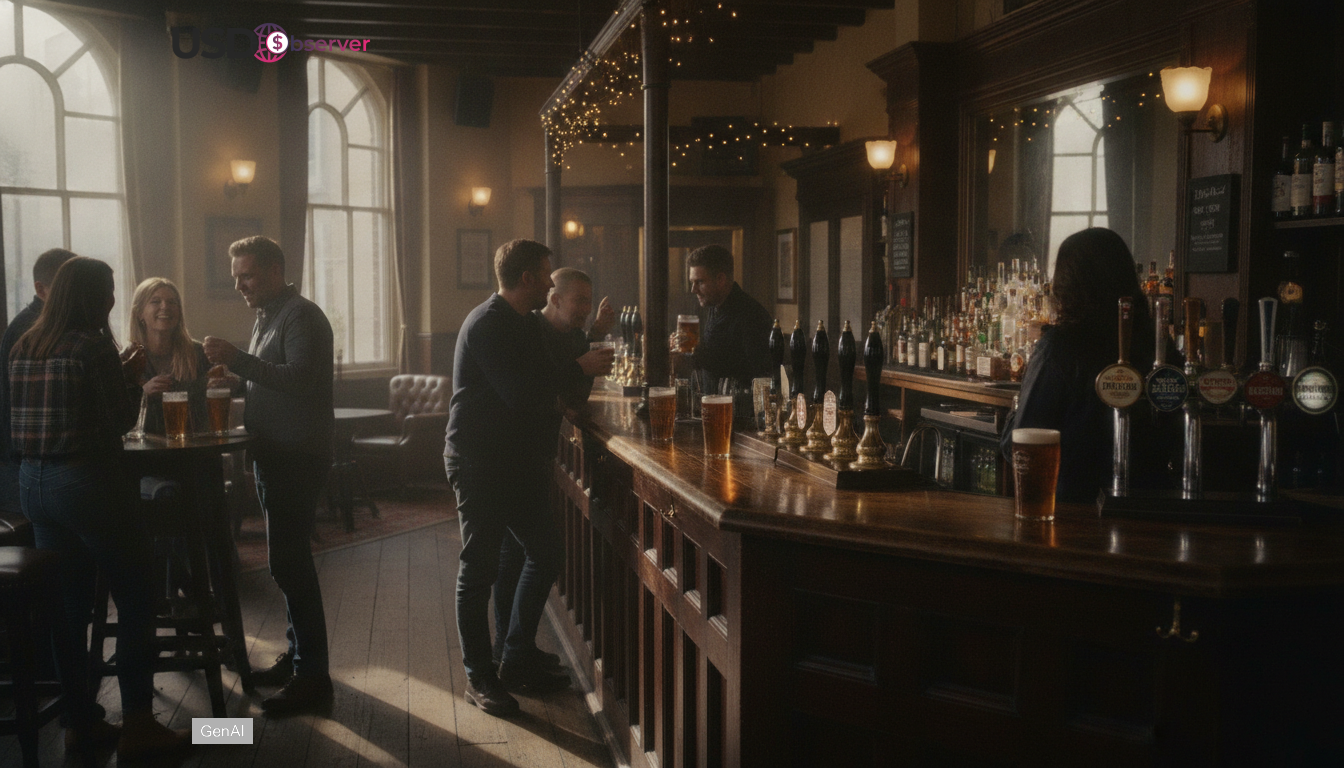
UK pint prices have risen since the last World Cup, leaving many drinkers paying more at the bar. The “36%” change is widely reported in industry and media comparisons, but it can vary depending on the baseline used and the specific pub or region. In 2024, the British Beer and Pub Association (BBPA) said its Pub Tracker put the average UK pint at £4.80 and cautioned that prices could rise again as higher operating costs feed through. The increase is not uniform across the country, but the upward trend has been persistent in cities, suburbs, and smaller towns. For many customers, the cost of a pint has become a visible marker of the wider cost of living squeeze, with pubs balancing affordability against the need to cover rent, wages, energy, and borrowing costs.
Cost pressures behind higher beer prices in pubs
The biggest squeeze on margins has come from broader inflation pushing up rent, labour, and utilities, with energy still a major line item for cellars and kitchens, according to pub operators and trade bodies. The Office for National Statistics (ONS) has reported elevated price levels across parts of the economy compared with pre-pandemic periods, which can keep overheads sticky even as some wholesale inputs cool, and for context on how inflation shocks can ripple through markets, see US inflation surges and sends ripples across markets. Financing costs have also risen following Bank of England rate increases, which can lift interest on loans and raise working-capital needs, according to standard business lending dynamics. Together, these forces can increase supplier charges and make it harder for venues to hold down menu prices.
Taxes, regulation, and what pubs can absorb
Beyond input costs, pricing at the bar is shaped by the tax take on each sale. Pub operators and the BBPA have repeatedly argued that beer duty and VAT account for a significant share of the final price, which they say limits how far venues can absorb increases without operational changes, and in a broader environment where policymakers scrutinise pricing and disclosure standards across sectors, financial regulation debates also show how compliance costs can rise, as outlined in EU MiCA architect weighs tokenization, DeFi regulation. Some pubs have tried tighter promotions, smaller pours, or simplified ranges, though feasibility can depend on staffing availability and licensing rules. As fixed costs harden, operators often adjust prices upward rather than quickly reversing prior increases.
How UK pint prices compare with global beer trends
Britain is not alone in repricing a pint, although cross-country comparisons can depend on wages, rents, and local tax structures. International brewers and pub groups also cite currency moves as a cost factor because some commodities, packaging, and equipment may be priced in USD, affecting import bills and hedging decisions, and for a parallel example of how pricing pressure plays out in corporate decision making, the BBC reported on strategic moves by major firms in Mike Ashley’s Frasers offers £1.73bn to buy all of Hugo Boss. Across Europe, brewers have faced higher packaging and transport costs, according to industry commentary, while local duty regimes can soften or magnify the final bar price. The UK is often cited by operators for how quickly cost increases can pass through to menus.
Outlook on UK pint prices in 2025
Looking into 2025, the direction of UK pint prices may likely depend less on a single ingredient and more on whether venues can stabilise total operating costs. Bank of England rate decisions, ONS inflation prints, supplier renewals, and wage settlements are all closely watched inputs for operators, and for another view on how supply and pricing pressures can reshape consumer markets, see Lab-grown diamonds reshape supply and pricing dynamics. If labour deals stay elevated, labour-intensive pubs may have limited room to reverse recent rises, even if some commodities ease. Many operators are responding with data-driven purchasing, tighter stock control, and smaller menu footprints to protect cash flow. The base case described by many in the trade is slower increases rather than a rapid drop in pub pricing.