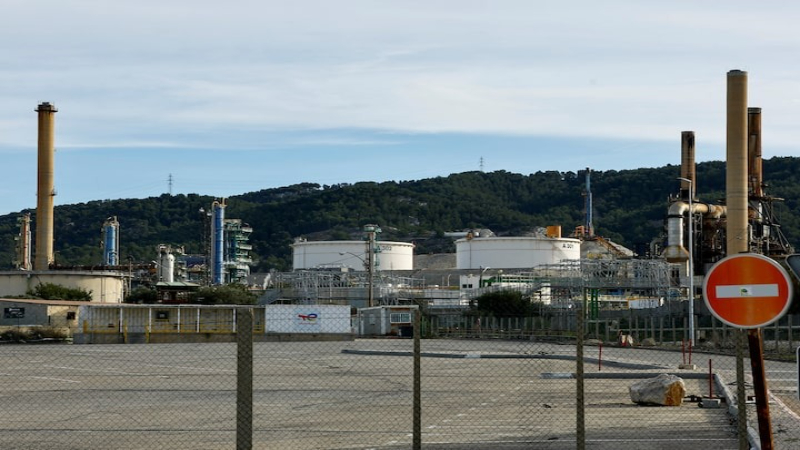
More than 180 current and former workers along with subcontractors linked to the La Mede refinery operated by TotalEnergies are preparing to file legal complaints in a French labour court, according to union representatives. The case centres on alleged long term exposure to benzene, a chemical widely recognised by health authorities as hazardous, particularly in industrial environments linked to oil refining and petrochemical processing.
The workers involved argue that their exposure occurred over extended periods during routine operations at the La Mede site near Marseille. Benzene is classified as a carcinogenic substance and is regulated under European and French workplace safety laws. Employees say that despite regulatory frameworks, they were exposed to levels that could significantly increase their risk of developing serious illnesses later in life.
Union officials representing the workers state that the legal action seeks financial compensation for health risks rather than immediate medical damages. Lawyers involved in the case have indicated that the claims are based on preventive harm, meaning compensation is being sought due to the increased probability of illness rather than confirmed diagnoses. French labour law allows such claims when workers can demonstrate insufficient protection or oversight by employers in hazardous environments.
Legal representatives for the workers have said that compensation could amount to several thousand euros per person depending on individual exposure histories and employment duration. French labour courts do not impose strict limits on compensation awards, leaving judges broad discretion to assess damages based on evidence presented during proceedings.
The La Mede refinery has long been a strategic industrial site for TotalEnergies, particularly as the company has repositioned parts of the facility toward biofuel production in recent years. However, legacy refining operations and past working conditions remain under scrutiny as industrial workers across Europe increasingly turn to courts to address historical health risks.
The case emerges at a time when occupational health standards in the energy and commodities sector are under closer examination. Across the European Union, regulators and courts are seeing a rise in claims related to chemical exposure, particularly in industries tied to fossil fuels, chemicals, and heavy manufacturing. Labour unions argue that many exposure risks were underestimated or poorly monitored in previous decades.
For financial markets and commodity observers, the case highlights the broader cost pressures facing traditional energy companies. Legal liabilities tied to worker safety add to existing challenges including energy transition costs, environmental compliance, and fluctuating oil and gas prices. While the lawsuit itself is unlikely to materially impact near term production, it underscores how legacy operational risks can carry long term financial and reputational implications.
As the labour court process begins, the outcome will be closely watched by unions, regulators, and energy firms across France. Similar cases in the past have prompted tighter workplace monitoring standards and have influenced how companies document and manage chemical exposure risks in industrial settings.