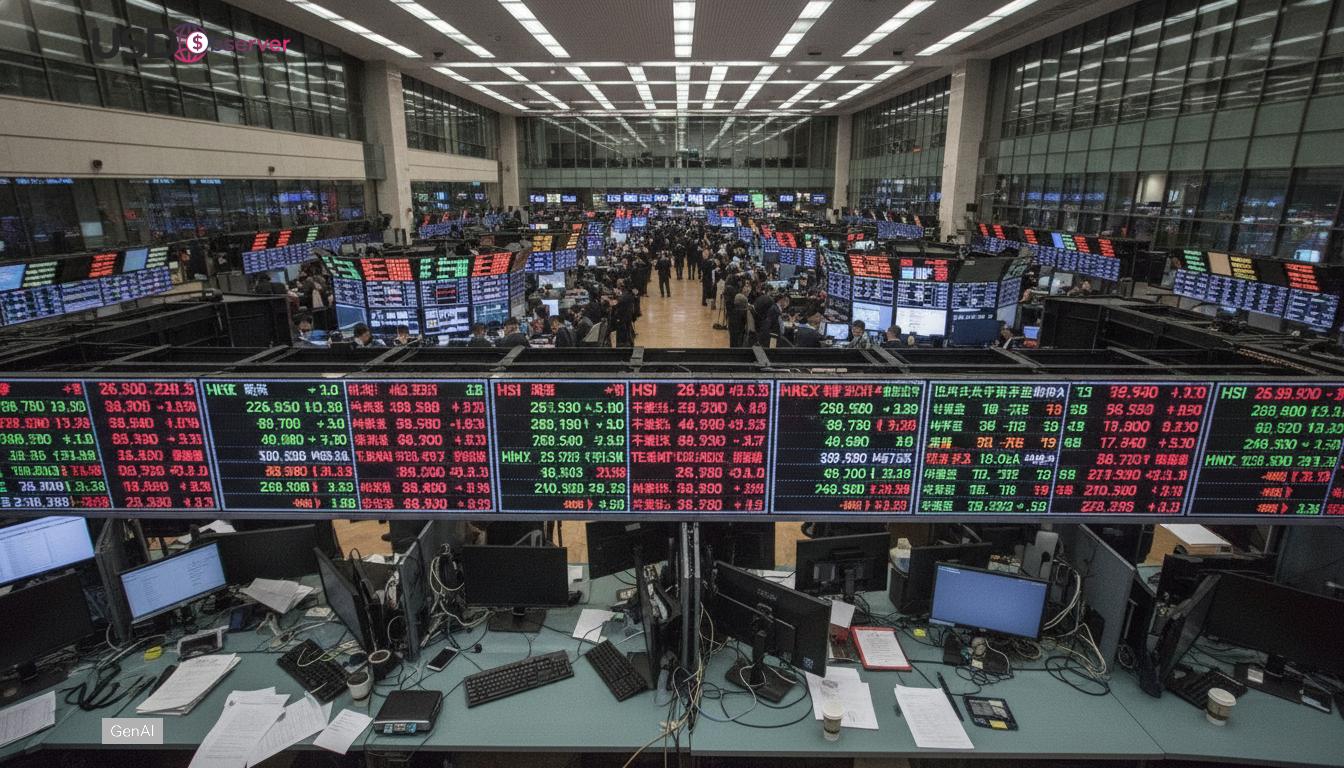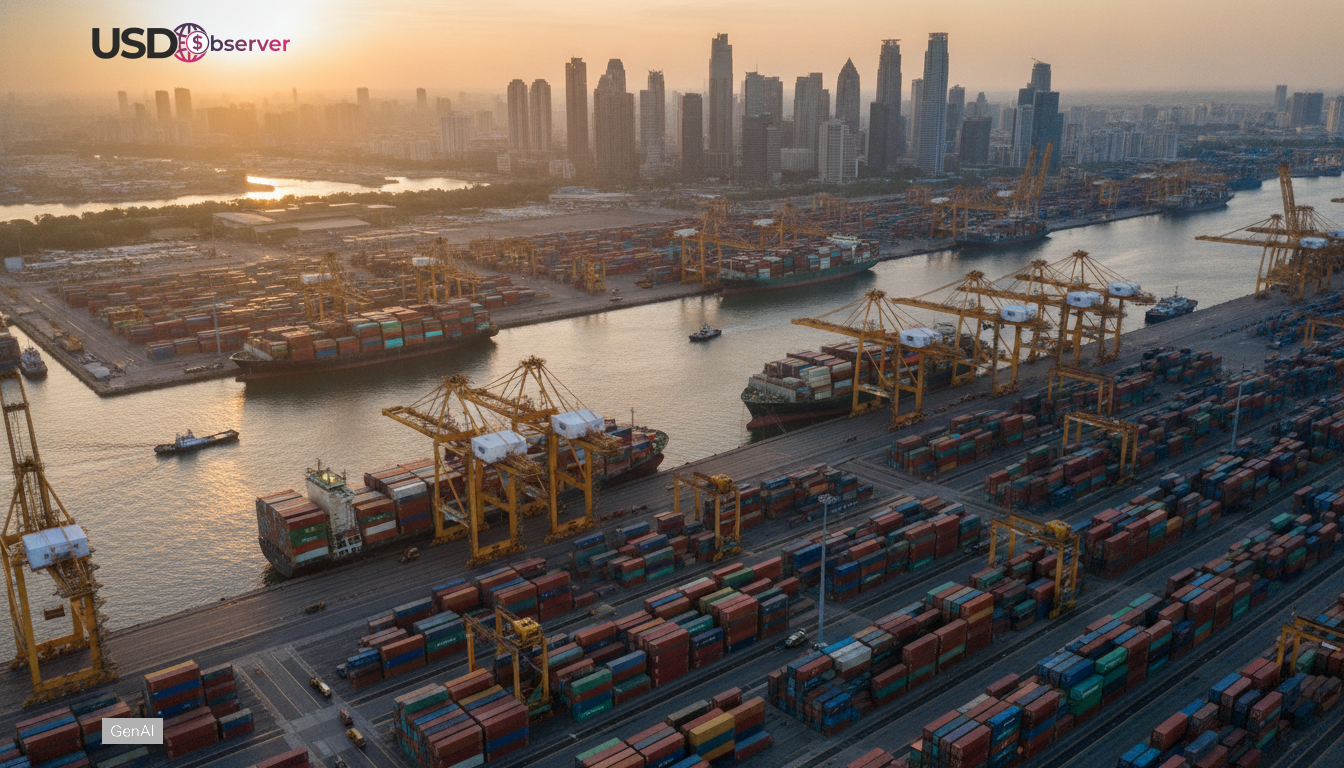
Global purchasing managers’ indexes are sending a clear signal that economic momentum is slowing across multiple regions. Manufacturing and services activity has softened, new orders are weaker, and forward-looking components point to cautious business sentiment. In earlier cycles, this type of data would typically pressure the US dollar as growth expectations cooled.
This time, the reaction has been different. Weak PMIs are coinciding with a firmer dollar, not a softer one. Instead of rotating away from the US currency, global capital is moving toward it. The explanation lies less in short term growth forecasts and more in how markets behave during periods of rising uncertainty.
PMI weakness today is triggering risk management responses rather than growth driven reallocations. As economic signals deteriorate unevenly, investors and institutions are prioritizing liquidity, balance sheet resilience, and reserve strength. In that environment, the dollar benefits structurally.
Risk off capital flows are favoring the dollar
The most important reason weak PMIs are supporting the dollar is the shift toward risk off capital behavior. When business activity indicators fall, markets begin to price slower earnings growth, tighter credit conditions, and higher downside risk. Capital responds by moving toward assets perceived as safer and more liquid.
The dollar sits at the center of this process. It anchors the deepest government bond market, the most liquid money markets, and the primary currency used for global funding. As PMIs weaken, investors reduce exposure to higher risk assets and currencies and rebalance toward dollar based instruments.
This flow dynamic is not driven by optimism about US growth. It is driven by the desire to preserve capital and maintain flexibility. Weak PMIs raise uncertainty, and uncertainty increases demand for the dollar.
Reserve behavior reinforces dollar demand
Central bank reserve management also plays a role in this relationship. When global growth signals weaken, policymakers become more cautious about external stability. Maintaining adequate reserves becomes a higher priority, particularly for economies exposed to trade and capital flow volatility.
The dollar remains the dominant reserve currency because it provides immediate liquidity and broad usability. Even when reserve diversification is discussed, periods of economic stress often slow or pause that process. Central banks focus on stability rather than experimentation.
As weak PMIs raise concerns about global demand and trade flows, reserve managers tend to lean toward the most liquid and widely accepted currency. This behavior reinforces dollar demand at the official level, complementing private sector flows.
Weak PMIs increase funding sensitivity
Another reason PMIs are strengthening the dollar is their impact on funding conditions. Slower activity reduces cash flow visibility for companies and governments, increasing sensitivity to financing costs and rollover risk. In response, demand for reliable funding currencies rises.
The dollar is the primary currency used in global borrowing and trade finance. When PMIs weaken, borrowers become more focused on securing access to dollar liquidity rather than seeking yield advantages elsewhere. This supports the currency even as growth indicators deteriorate.
FX markets reflect this through stronger demand for dollars during periods of PMI driven uncertainty. The effect is particularly visible against currencies tied to cyclical growth or external financing.
Emerging markets feel PMI signals more acutely
Weak global PMIs tend to have an outsized impact on emerging markets. These economies are often more dependent on exports, external demand, and cross border capital flows. When global activity slows, their growth outlooks weaken faster.
This dynamic encourages capital outflows from emerging markets and increases demand for reserve currencies. As investors reduce exposure to higher risk regions, the dollar benefits from defensive positioning.
At the same time, weaker PMIs can pressure commodity prices and trade volumes, further tightening financial conditions for economies reliant on external earnings. This feedback loop strengthens the dollar relative to a broad basket of currencies.
Why the old relationship has changed
In past cycles, weak global data often reduced demand for the dollar because growth differentials narrowed. Today, the global financial system is more leveraged and interconnected. Slower growth raises concerns about debt servicing, liquidity access, and financial stability.
As a result, weak PMIs now trigger protective behavior rather than growth rotation. The dollar benefits not because the United States is accelerating, but because it remains the central node of the global financial system.
This shift explains why PMI weakness can coexist with dollar strength. The relationship has moved from cyclical to structural.
Conclusion
Weak global PMIs are strengthening the dollar because they trigger risk off capital flows and reinforce reserve driven demand. Slower activity increases the value of liquidity, stability, and funding reliability, all of which favor the dollar. Until global growth stabilizes in a more balanced way, PMI weakness is more likely to support the dollar than undermine it.