Examine Rising Prices in Supermarkets
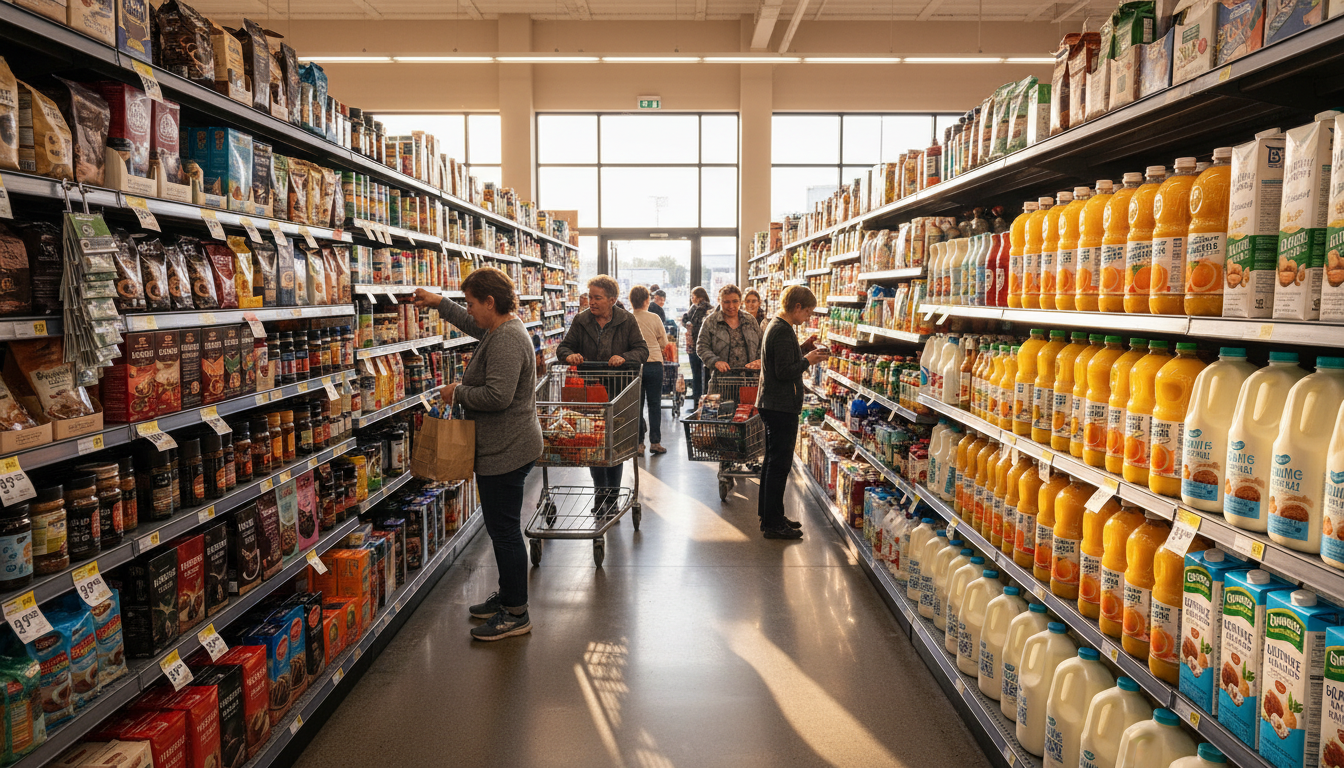
Shoppers are confronting a new sticker shock at the chilled aisle, where a premium orange juice can top £5 and staple baskets feel heavier each week. In this cycle, supermarket prices are being driven by short notice changes in freight, packaging, and ingredients that arrive mid month rather than at seasonal resets. Retailers say pricing decisions are being reset faster than labels can keep up, with suppliers seeking immediate pass through for newer costs. Today the most visible pain points are breakfast items and fresh produce, which are sensitive to energy and weather. Live pricing on many supermarket websites now changes by region and promotion slot, complicating comparisons.
Key Global Factors Affecting Costs
Currency shifts are a quiet but powerful lever, because much of the food system is traded in dollars even when shoppers pay in pounds. For context, the International Energy Agency has linked higher oil markets to broader transport and input pressures, and fuel costs ripple into refrigeration and deliveries. A recent BBC analysis of oil market volatility also highlights how supply decisions can quickly lift energy benchmarks, see BBC on Opec influence and oil prices. That matters for supermarket prices when diesel, plastics, and fertiliser all reset together. Update trackers used by procurement teams watch global crop news, and Live shipping rates, to price contracts week by week rather than quarterly.
Impact on Consumer Purchasing Power
Household budgets are being squeezed unevenly, because essentials absorb a larger share for lower income shoppers and because brand loyalty is being tested at the shelf. Retail analysts at Kantar have described ongoing downtrading in UK grocery, with consumers switching into own label and smaller pack sizes as inflation persists. Today, the strain shows up in delayed bulk buys and a stronger pull toward promotions that require loyalty apps. For broader context on how dollar dynamics can filter into everyday costs, Stablecoins and Digital Assets Reshape US Finance offers a useful macro lens. Some shoppers also compare discretionary spending, such as disneyland ticket prices, to decide what gets cut first when groceries rise. Live sentiment is shifting toward value formats, and Update notices from retailers increasingly highlight price locks on basics.
Supply Chain Challenges and Commodities
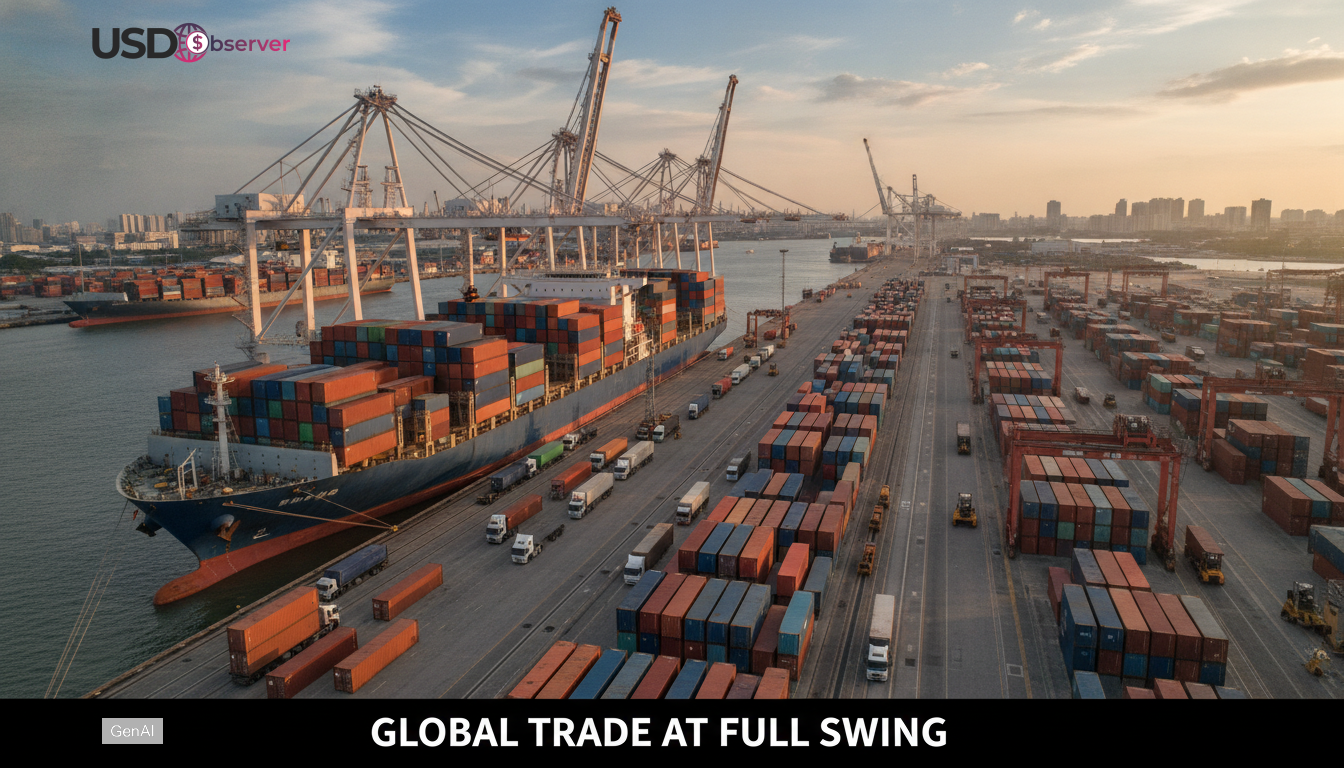
Operational stress is still visible across the supply chain, from port congestion risk to heat related disruptions that affect harvest timing and cold storage needs. When commodity costs rise for citrus concentrate, sugar, cocoa, or coffee, suppliers often renegotiate quickly because many inputs are internationally priced and volatile. The World Bank commodity outlook has previously detailed how energy, fertiliser, and food prices can move together during shocks, amplifying retail pressure. In parallel, regional fuel dynamics matter for distribution, as covered in Global Petrol Prices Surge Amid War, Top 10 Nations Reflect Currency and USD Impact. Supermarkets also face category specific issues, and supermarket milk prices remain exposed to feed and energy costs plus farmgate contract resets. Today, Live logistics dashboards are shaping reorder decisions, while Update cycles for packaging and labelling add further cost.
Future Trends in Global Supermarket Prices
Near term pricing is likely to stay jumpy because retailers are balancing margin protection with competitive pressure, and because weather, energy, and currency shifts can still arrive suddenly. Central bank policy matters too, since interest rate expectations influence exchange rates and the cost of inventory finance for large chains. The Bank of England has repeatedly noted that imported price pressures can persist even after headline inflation cools, keeping grocery categories sensitive to global moves. For supermarket prices, the practical outcome is more frequent micro adjustments, tighter promotional windows, and sharper differences between premium and value lines. Today, Live monitoring of crop conditions and shipping insurance costs is as important as demand forecasts. Update routines are becoming more data driven, but consumers may still see abrupt changes when suppliers reset contracts.