Why AI-related investment is rising in 2026
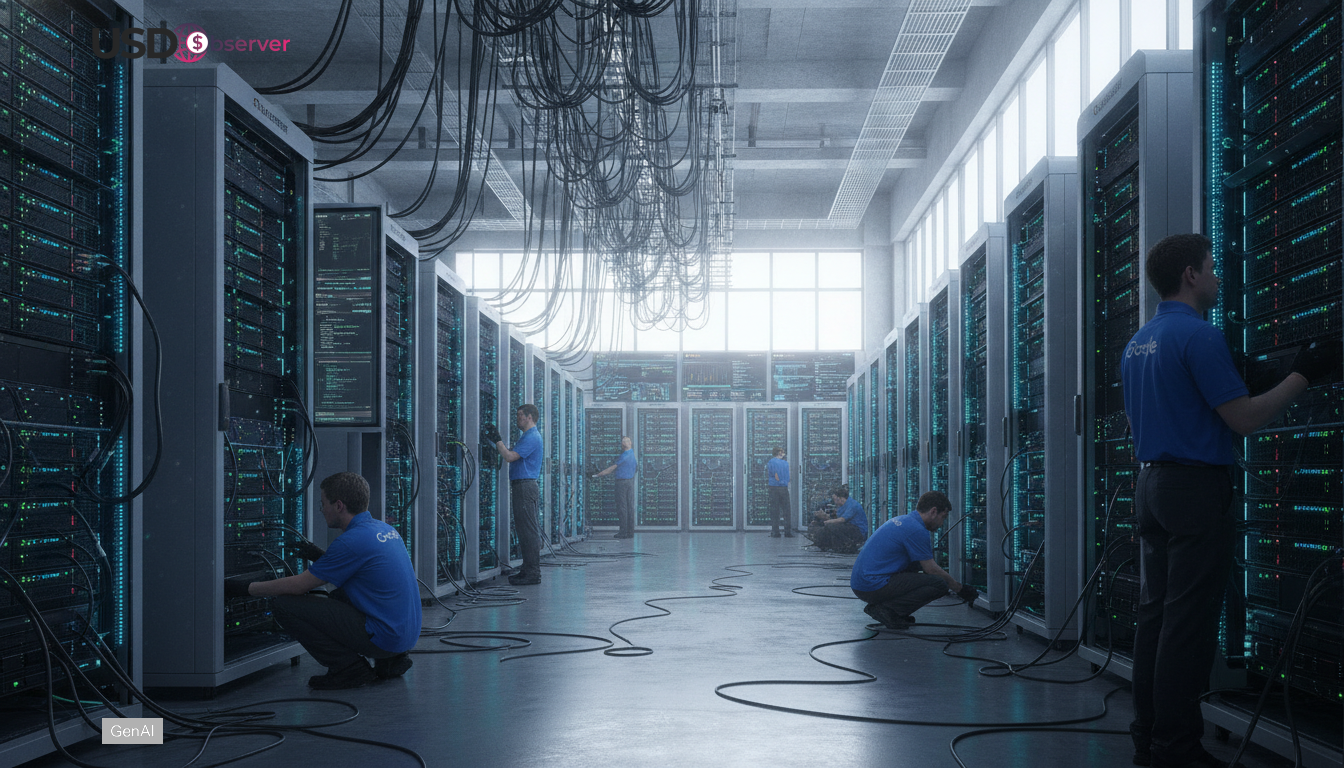
AI-related investment is rising as Alphabet expands compute, networking, and power capacity to support AI features across Search, Cloud, and Workspace. In recent earnings commentary, management has said higher outlays are intended to meet demand for model training and inference at scale. A major driver is capital expenditure for data centers, servers, and related equipment, which can pull cash forward before revenue fully follows. This trend is less a single budget line and more a shift in capital allocation toward infrastructure that supports new product releases. Executives have also noted that supply constraints for advanced hardware can intensify near-term cost pressure and extend delivery timelines.
Where the spend is going: data centers and chips
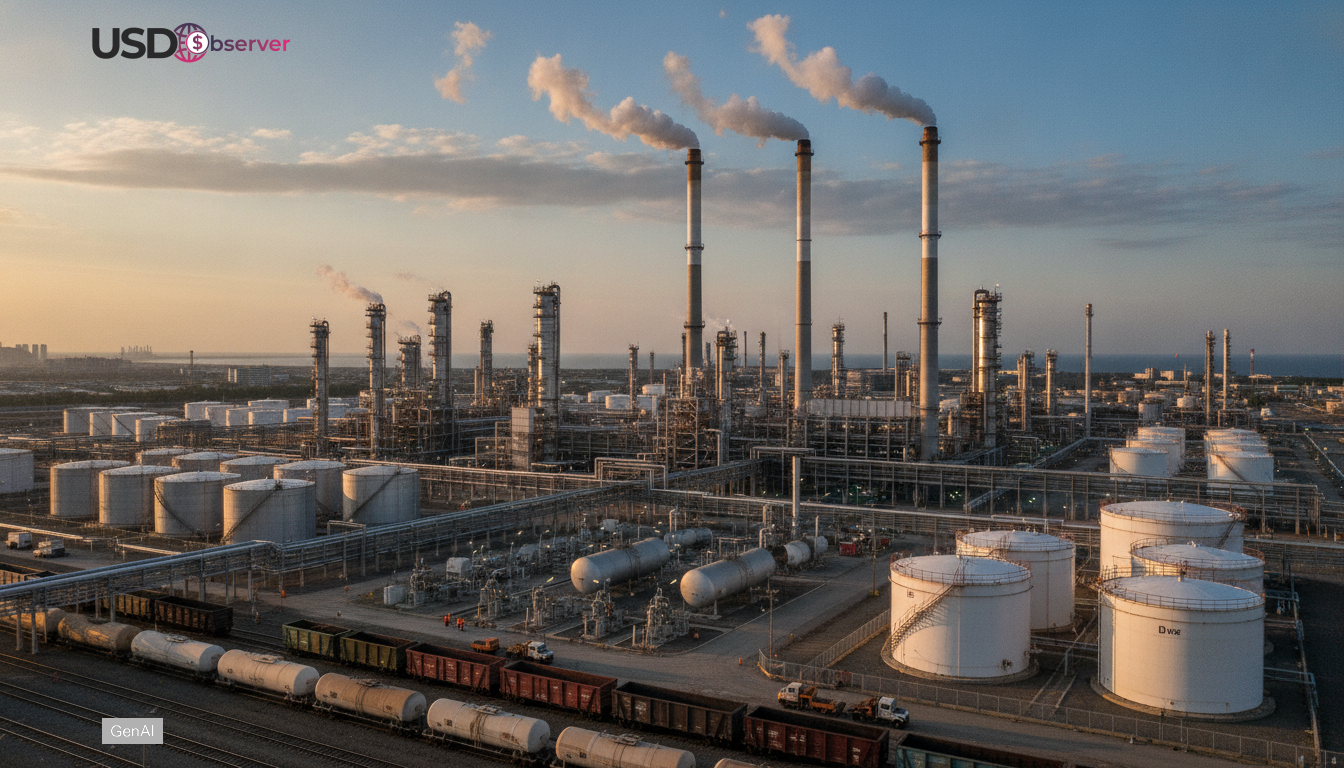
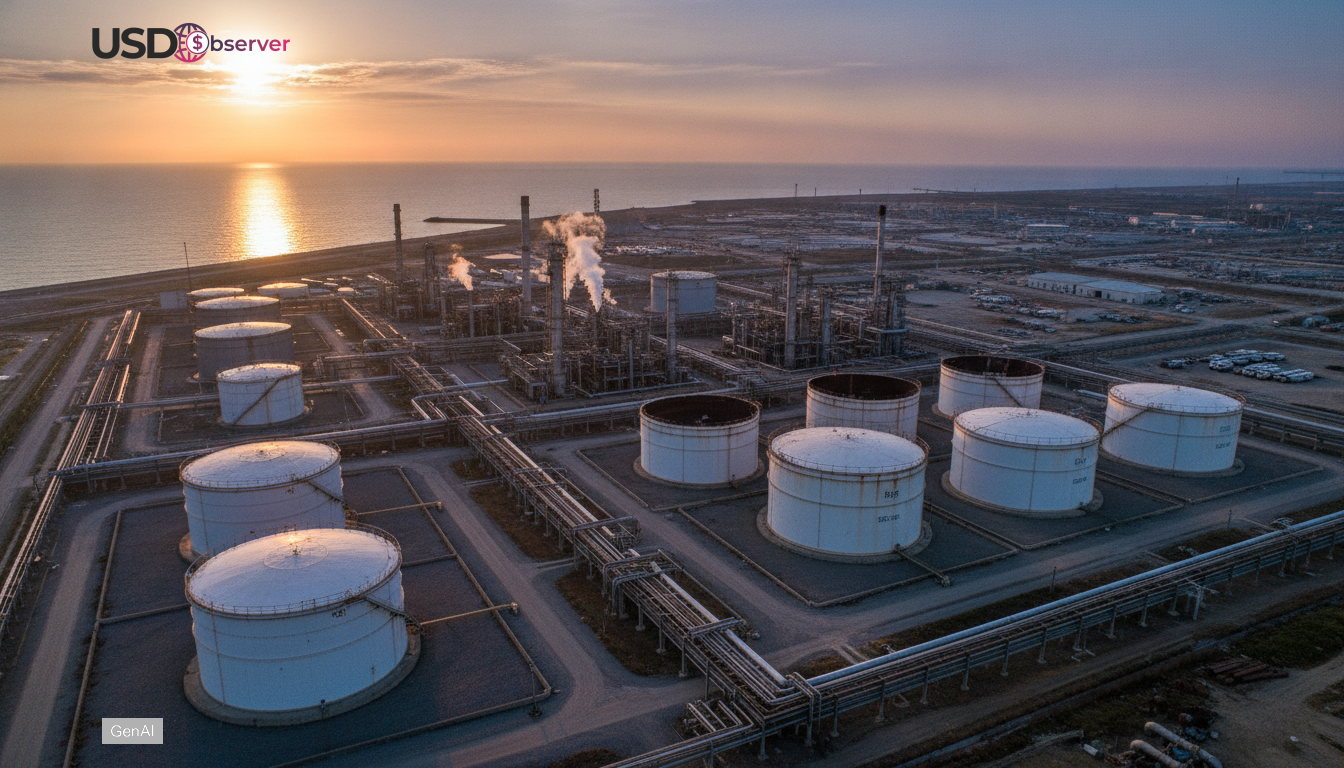
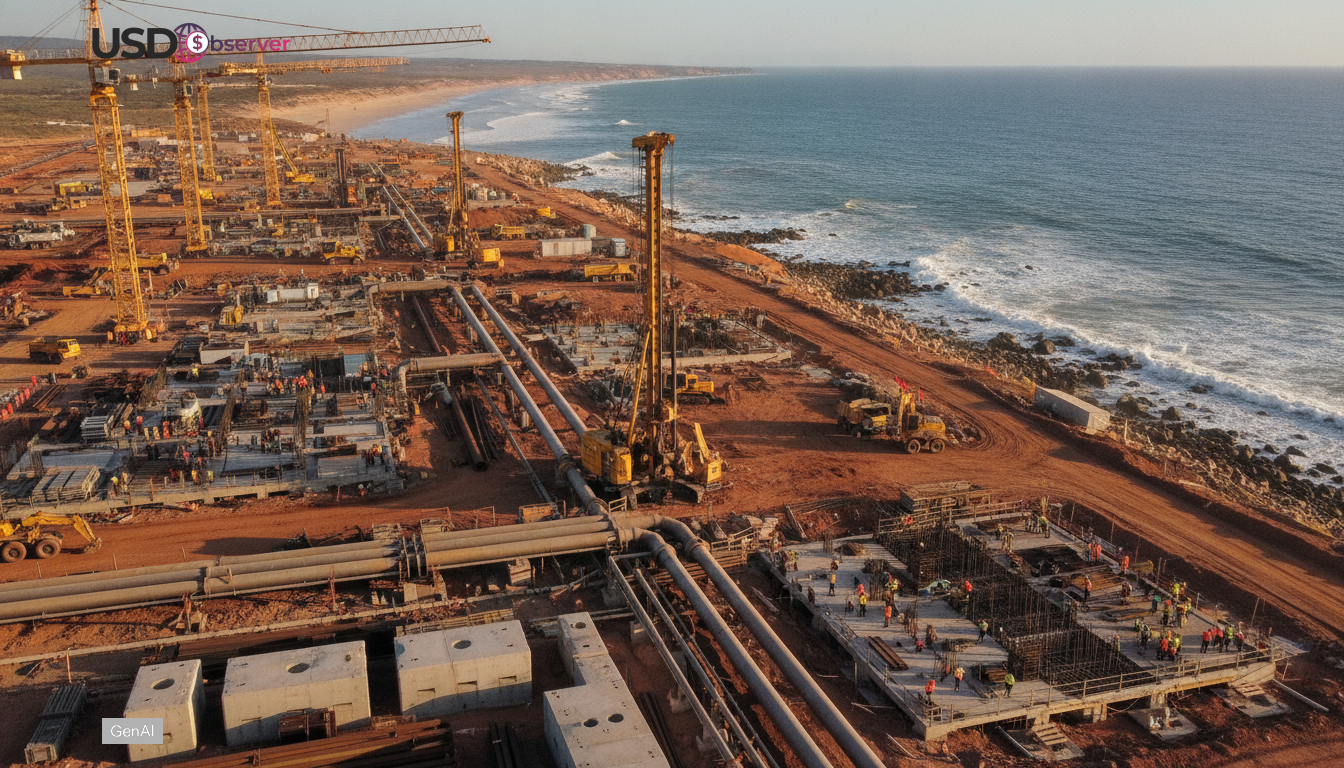
A large share of incremental investment is tied to expanding data center footprints, upgrading server fleets, and securing high-end accelerators and networking. These projects can take quarters to plan, permit, and energize, so spending often lands before utilization ramps. Power and cooling needs also rise with denser racks, making energy pricing and construction inputs more material to budgets than in prior refresh cycles, as outlined in Global oil prices hit airlines, inflation and growth. The broader macro context can matter because higher rates may increase the cost of capacity additions even when operating headcount remains disciplined.
What Google AI spending means for margins and cash flow
The immediate financial impact is often felt in free cash flow timing, because capital expenditure is incurred well ahead of monetization cycles. As indicated in available filings, equipment and facilities spending can rise faster than operating expense, shifting how investors interpret margin trends and valuation support. Depreciation from new infrastructure can become a longer-lasting headwind even if hiring slows, because the asset base continues to amortize over time. For a market lens on how rate expectations can amplify scrutiny of cash use, the portal analysis US Treasury Yield Outlook: Stablecoins and Tokenization tracks how yields can alter investor tolerance for cash burn. This framing helps explain why Alphabet’s AI capex can move sentiment even when revenue remains resilient.
How it compares with peers and new revenue paths
Alphabet is not alone in prioritizing AI capacity, but its scale can make the tradeoffs more visible in consolidated cash metrics. Across the sector, companies are also bidding for GPUs, high-bandwidth networking, and specialized data center designs, which can keep pricing firm across parts of the supply chain, according to industry commentary. Procurement bottlenecks can push deployments into staggered phases, potentially raising the all-in cost of rollout and delaying unit-cost improvements. New distribution and payment rails are also forming around AI agents and enterprise tooling, and those developments can influence how quickly infrastructure converts into revenue, as CoinDesk highlighted in Coinbase corporate customers can now accept payments from AI agents. Understanding these adjacent channels can help investors contextualize data-center buildouts beyond pure capex headlines.
Investor checklist for tracking AI capex efficiently
For investors, the practical approach is to watch how quickly added AI capacity converts into measurable revenue, not just how fast budgets expand. Earnings calls and quarterly filings provide the clearest signals on whether higher spend is linked to signed cloud demand, product usage growth, or defensive capacity building, as management characterizes it. Google AI spending can still be rational if it preserves share in high-margin services, but valuation support usually requires evidence of improving efficiency per query, per token, or per customer workload. Track capex guidance, depreciation trends, and margin commentary together to avoid overreacting to any single period, including 2026. Also compare utilization signals in Cloud and enterprise workloads to gauge whether the build is getting absorbed or risking underused assets.