The United States government has sought to reassure consumers and financial markets that the recent surge in energy prices linked to the conflict with Iran will not last indefinitely. Officials from the White House said the spike in oil and gasoline prices is expected to be temporary despite the volatility seen in global energy markets over the past several days. The conflict has triggered sharp swings in crude oil prices and raised concerns about supply disruptions in the Middle East, a region responsible for a significant share of global oil production and exports.
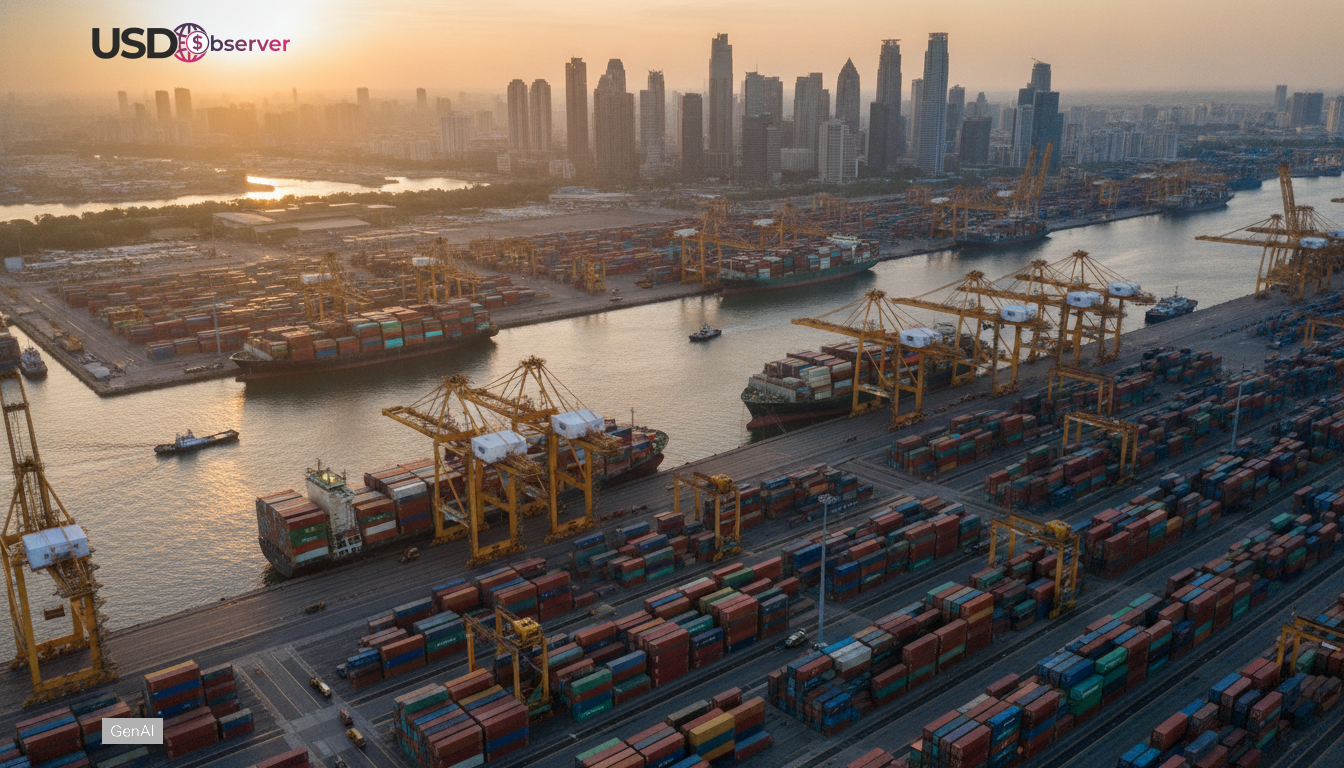
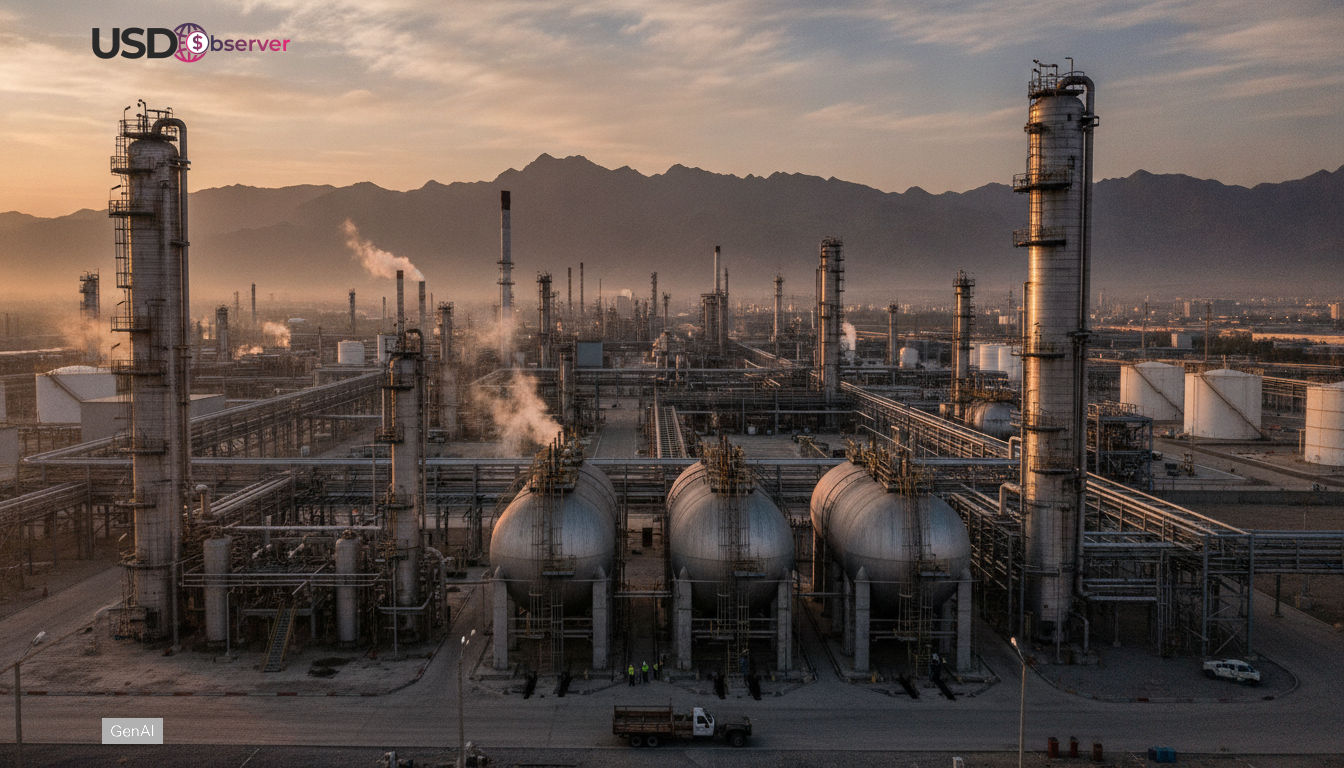
Oil markets reacted strongly earlier this week as fears grew that military escalation could threaten shipping through the Strait of Hormuz, a narrow waterway that handles roughly one fifth of the world’s oil supply. Crude prices briefly surged above 119 dollars per barrel, reaching levels not seen since 2022, before pulling back as investors reassessed the likelihood of prolonged supply disruption. Energy analysts say geopolitical tensions in the Gulf region often cause rapid price swings because traders closely monitor any risk to oil infrastructure or maritime shipping routes.
Government officials said they are closely monitoring energy markets while working with industry leaders to maintain stable supply conditions. The United States military has also been evaluating options to ensure safe navigation through the Strait of Hormuz, which remains one of the most important corridors for global energy trade. Insurance companies have already increased war risk premiums for vessels operating in the region and some tanker traffic has slowed as shipping companies assess the security situation. Maintaining the flow of oil shipments through the strait has therefore become a key objective for policymakers seeking to stabilize energy markets.
Rising energy prices have quickly become a political and economic concern within the United States as consumers continue to face elevated living costs. Higher gasoline and fuel prices can ripple through the broader economy by increasing transportation and manufacturing expenses. Financial markets have also reacted to the surge in energy costs, with volatility spreading across equities and commodity markets as investors assess the potential impact on inflation and economic growth. Policymakers are particularly sensitive to these developments as voters increasingly cite cost of living pressures as one of their top concerns.
Despite the recent surge, some market indicators suggest that the worst of the price shock may already be easing. Crude oil prices retreated from their earlier highs during the latest trading sessions as investors interpreted diplomatic signals and market interventions as potential stabilizing factors. Analysts note that global energy markets remain highly sensitive to geopolitical developments and even small changes in expectations can trigger large price swings. As a result traders continue to watch political statements, military activity and shipping data for signals about the direction of oil markets.
The broader geopolitical situation remains fluid as military operations continue and diplomatic discussions evolve. United States officials have stated that operations will continue until strategic objectives related to Iran’s military capabilities are achieved. At the same time policymakers are attempting to reassure markets that efforts are underway to prevent prolonged disruptions to global energy supply. With the Strait of Hormuz carrying a substantial portion of global oil shipments and energy prices closely tied to geopolitical stability, developments in the region will remain a critical factor shaping economic expectations in the months ahead.