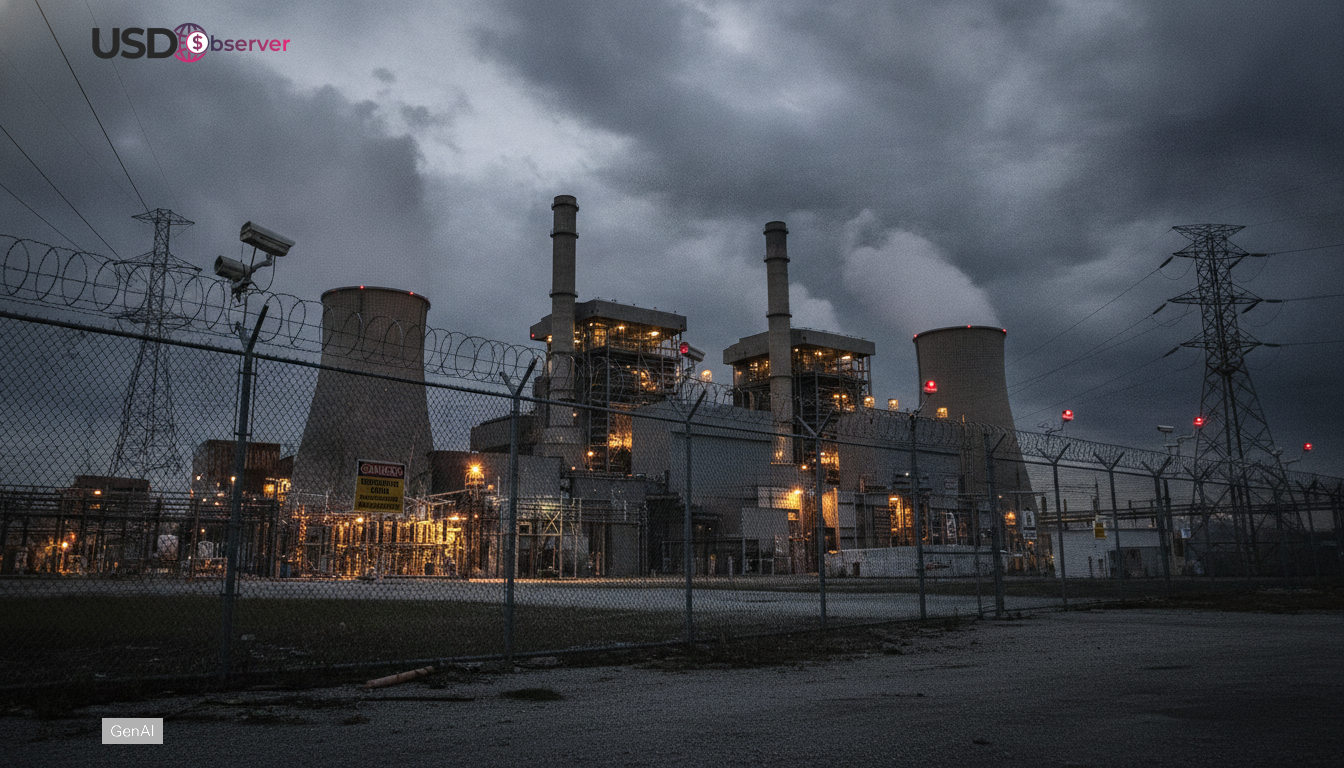
Government bonds and traditional safe haven assets are failing to provide protection as global markets react to the escalating Middle East conflict, raising fresh concerns about inflation and monetary tightening. Since tensions intensified at the end of February, energy prices have surged sharply, yet investors seeking shelter have not found relief in either bonds or gold. Instead of cushioning portfolios, both asset classes have struggled under pressure from rising yields and persistent inflation expectations, signaling a deeper structural shift in how markets respond to geopolitical shocks.
The weakness in bonds is largely tied to the inflationary impact of higher oil prices, which is forcing central banks to maintain or even extend tight monetary policies. Rising yields reflect expectations that interest rates will stay elevated for longer, eroding the value of existing fixed income assets. At the same time, gold has seen an unusual decline despite its traditional role as an inflation hedge, with prices dropping more than ten percent in a single week, marking one of the steepest falls in decades. This suggests that prior gains had already priced in global risk, leaving little room for further upside.
Market strategists are increasingly pointing to inflation shocks as the key factor undermining the classic portfolio structure built around equities and bonds. The widely used sixty forty portfolio model has struggled this year, with both asset classes posting losses as inflation erodes returns across the board. Analysts argue that in such an environment, diversification into commodities or alternative stores of value becomes necessary. The current market behavior is exposing the vulnerability of traditional strategies that were designed for low inflation conditions rather than energy driven price surges.
Historical evidence also supports the current trend, showing that government bonds have consistently underperformed during major war periods. Large scale conflicts typically trigger a surge in government spending, often financed through borrowing rather than taxation, which leads to higher inflation over time. Studies covering several centuries indicate that bondholders have suffered significant real losses during wartime, as inflation reduces purchasing power and governments prioritize managing debt burdens. In many cases, policy measures such as yield controls or financial repression have further limited returns for investors.
The ongoing situation is adding to the pressure already faced by bond markets since the global inflation shock that followed the Ukraine conflict in 2022. Major bond indices remain well below their previous levels, reflecting years of elevated rates and persistent price pressures. Despite some stabilization, the absence of a recession has prevented yields from falling significantly, keeping bond prices under strain. This has left investors questioning whether bonds can regain their role as a reliable hedge without a broader economic slowdown.
Looking ahead, many investors believe that only a clear downturn in economic activity could restore the appeal of government bonds. A recession would likely force central banks to cut interest rates, easing pressure on yields and supporting bond prices. Until then, the combination of high energy costs, tight policy conditions, and ongoing geopolitical risks is expected to keep fixed income markets volatile. For now, war driven inflation appears to be working against bonds rather than supporting them, reshaping expectations across global portfolios.