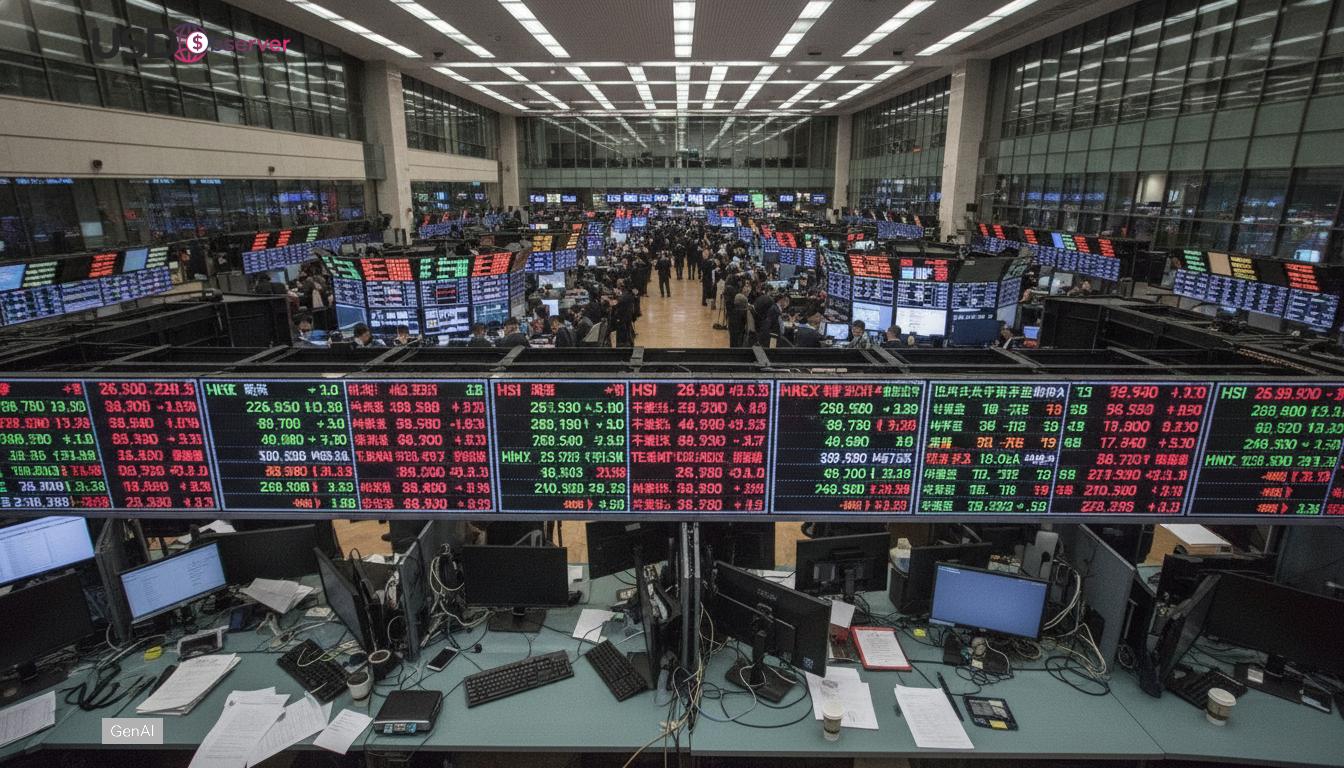
U.S. stock markets moved lower on Tuesday as investors reacted to escalating tensions in the Middle East, pushing energy prices higher and reigniting concerns about inflation and interest rate policy. The Dow Jones Industrial Average fell around 0.6 percent, while the S and P 500 and Nasdaq Composite each declined close to 0.8 percent in afternoon trading. Although the major indexes recovered from steeper early losses, risk sentiment remained fragile.
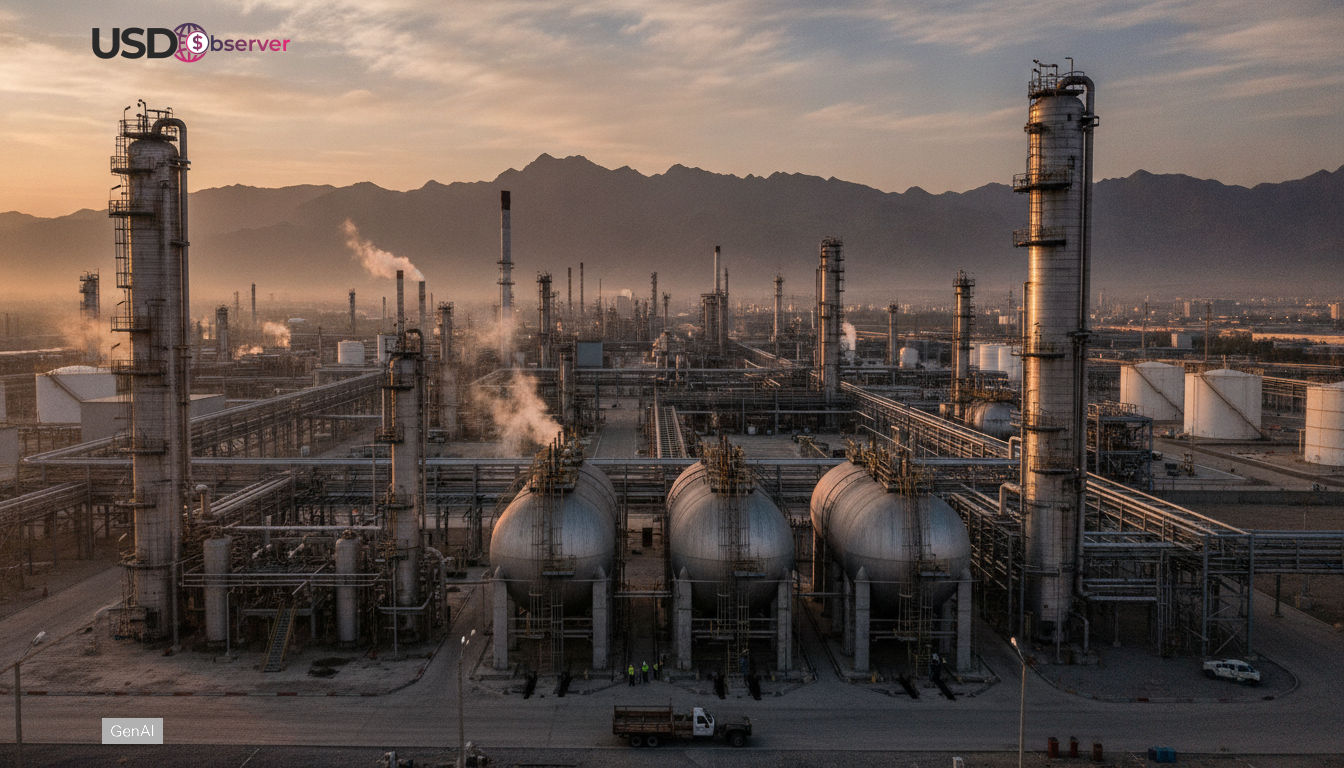
Oil prices extended gains after Tehran signaled it could target vessels transiting the Strait of Hormuz, a vital energy corridor responsible for roughly one fifth of global oil flows. Any disruption to shipments through the strait would have immediate implications for crude supply, freight costs, and fuel prices worldwide. Brent and West Texas Intermediate futures both advanced, amplifying concerns that renewed energy inflation could complicate monetary policy decisions across major economies.
Rising crude prices come at a sensitive time for global markets. Central banks, including the Federal Reserve, have been navigating persistent price pressures linked to supply chain shifts and trade policy adjustments. Higher energy costs risk filtering into transportation, manufacturing, and consumer goods, potentially delaying progress toward inflation targets.
The bond market reflected these worries. The yield on the U.S. 10 year Treasury note climbed to a one week high earlier in the session as traders reassessed the outlook for interest rate cuts. Market pricing now suggests expectations for a Federal Reserve rate reduction have shifted toward September rather than July. Elevated yields typically weigh on equity valuations, particularly in growth sectors such as technology.
Volatility indicators also moved higher, signaling increased hedging activity among institutional investors. The Cboe Volatility Index rose as declining stocks outpaced advancers on both the New York Stock Exchange and Nasdaq. Market breadth data showed selling pressure across multiple sectors, even though some financial shares displayed relative resilience.
Energy related stocks benefited from the jump in crude prices, while select airline shares recovered after early losses as investors evaluated the balance between fuel cost pressures and resilient travel demand. Meanwhile, certain alternative asset managers faced selling pressure amid concerns about credit fund redemptions, highlighting ongoing sensitivity in private markets.
Beyond equities, the U.S. dollar remained firm in foreign exchange markets as investors sought safe haven exposure. A stronger dollar can tighten financial conditions globally, especially for emerging markets with dollar denominated debt. In commodity markets, natural gas prices also firmed amid fears of supply interruptions across the Gulf region.
With geopolitical tensions entering a fourth day and uncertainty surrounding potential retaliation and shipping security, investors are closely monitoring developments that could influence oil supply stability. Any sustained disruption in the Strait of Hormuz would likely reinforce inflation risks and shape the trajectory of global monetary policy in the months ahead.