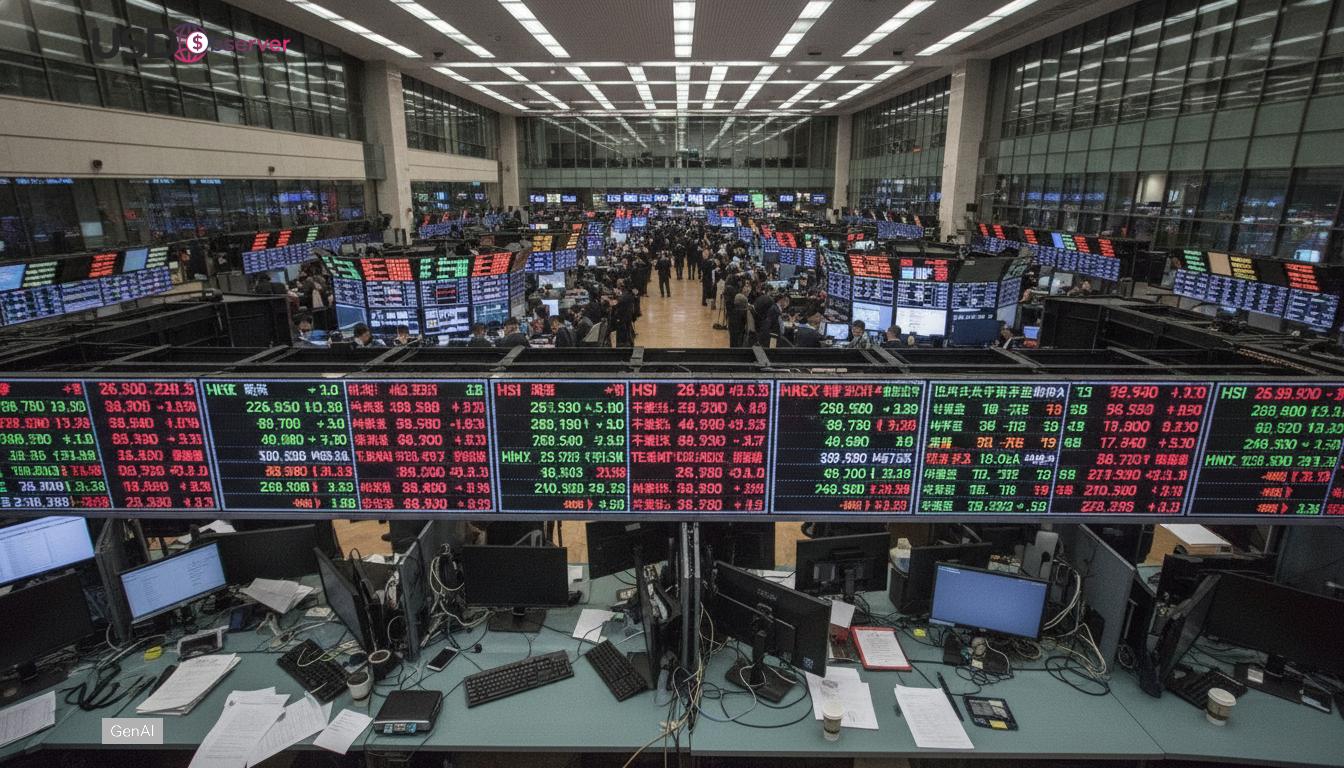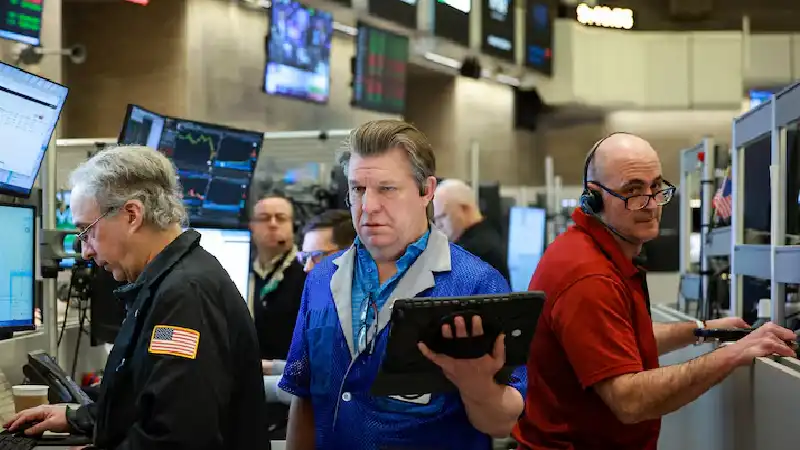
US equity markets moved higher as easing geopolitical tensions in the Middle East improved investor sentiment and triggered a broad based recovery across major indices. The rally followed signals that planned military escalation involving Iran would be delayed, reducing immediate fears of further disruption to global energy supply. The Dow Jones Industrial Average, S and P 500 and Nasdaq all posted solid gains, reflecting a shift away from defensive positioning as markets responded to lower oil prices and a more stable outlook for inflation and monetary policy.
The rebound was supported by a sharp decline in oil prices, which had been a key source of market pressure in recent weeks. Crude prices fell significantly as concerns about supply disruptions eased, providing relief to sectors sensitive to energy costs. Airlines, consumer discretionary stocks and financial institutions were among the biggest beneficiaries, with investors rotating back into areas that had previously been hit by rising fuel prices and economic uncertainty. At the same time, the energy sector lagged behind as lower oil prices weighed on major oil producers.
Market volatility also declined as risk appetite improved, with the widely watched volatility index retreating after recent spikes. The easing of market stress was accompanied by a shift in expectations around interest rates, as investors reduced bets on further tightening by the Federal Reserve. Earlier concerns that rising energy prices would force more aggressive policy action have moderated, with markets now pricing a lower probability of rate increases in the coming months. This adjustment reflects the close link between geopolitical developments, energy costs and central bank decision making.
Analysts caution that the current rally remains dependent on continued stability in the geopolitical environment. While recent developments have reduced immediate risks, uncertainty remains high as conflicting signals continue to emerge from the region. Reports suggest that while diplomatic efforts may be underway, tensions have not been fully resolved, and further escalation cannot be ruled out. As a result, markets remain highly sensitive to new information, with sentiment capable of shifting rapidly in response to headlines.
The performance of small cap stocks also highlights the impact of changing expectations, with the Russell 2000 index posting notable gains after previously entering correction territory. Smaller companies are particularly sensitive to interest rate changes, and the easing of rate hike expectations has provided additional support. Financial stocks also recovered after recent declines, reflecting improved confidence in economic stability and lending conditions as market stress begins to ease.
Looking ahead, investors are expected to focus on upcoming economic data and central bank commentary for further guidance on the outlook for growth and inflation. However, geopolitical developments are likely to remain the dominant factor influencing market direction in the near term. The interplay between energy prices, interest rates and global risk sentiment will continue to shape equity performance, with markets navigating a complex environment defined by both economic fundamentals and external uncertainties.