The United States is preparing to raise its temporary global import tariff rate to 15 percent this week, signaling a renewed push by the administration to reshape trade policy and strengthen domestic industry protections.
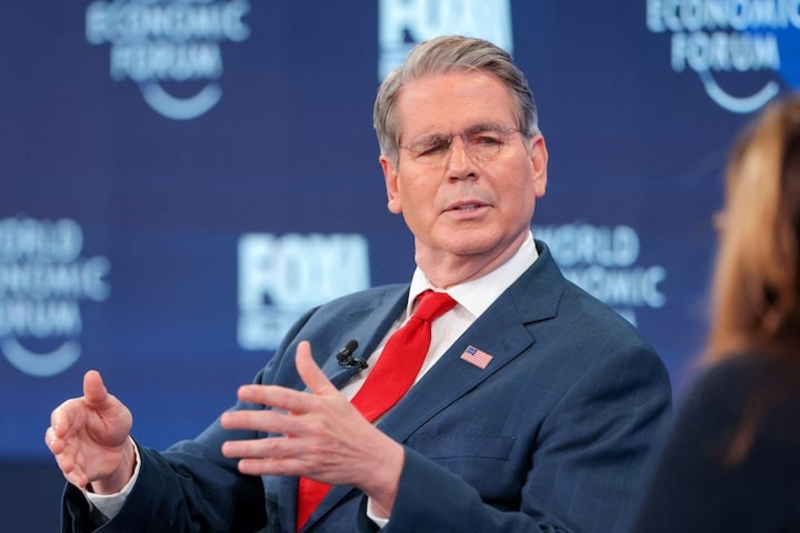
U.S. Treasury Secretary Scott Bessent indicated that the tariff increase is likely to be implemented soon as part of a broader strategy to rebuild the government’s trade measures after earlier tariffs faced legal challenges. The proposed increase would raise the current temporary tariff rate from 10 percent to 15 percent on a wide range of imported goods.
The tariff plan follows a recent court decision that invalidated previous global tariffs imposed under emergency authorities. In response, the administration introduced a new temporary framework using provisions within existing trade laws that allow short term tariffs while policymakers develop more permanent measures.
Under the current policy structure, the temporary tariffs are designed to remain in place for approximately 150 days. During this period, government agencies will conduct additional investigations and policy reviews aimed at establishing more durable trade restrictions using established legal authorities.
Officials say the process will involve several key government bodies responsible for trade and national security evaluations. The U.S. Trade Representative is expected to conduct studies examining unfair trade practices, while the Commerce Department will assess national security risks tied to imports in certain industries.
The administration believes these reviews will allow the government to reintroduce tariffs under legal frameworks that are less vulnerable to court challenges. By using existing trade statutes that have historically survived legal scrutiny, policymakers aim to maintain long term leverage in negotiations with major trading partners.
Tariffs have become a central component of U.S. economic policy in recent years as governments attempt to rebalance global supply chains and encourage domestic manufacturing. Supporters of higher tariffs argue that they protect strategic industries and reduce reliance on foreign production.
Critics, however, warn that broad tariffs can increase costs for businesses and consumers by raising the price of imported goods. Companies that rely on global supply chains may face higher production expenses, which could eventually be passed on to customers.
Financial markets are closely monitoring the potential tariff increase because trade policies can influence global economic growth, inflation and currency markets. Higher import duties may lead to shifts in international trade flows as companies seek alternative suppliers or adjust production strategies.
Economists note that trade tensions can also influence broader geopolitical relationships, particularly with major manufacturing economies that export large volumes of goods to the United States. Changes in tariff policy often prompt negotiations and countermeasures from trading partners.
As the administration moves forward with the temporary tariff increase, investors and businesses are watching for additional announcements that could clarify the long term direction of U.S. trade policy and its impact on global commerce.