US-Iran Conflict and Its Immediate Impact on Oil Prices
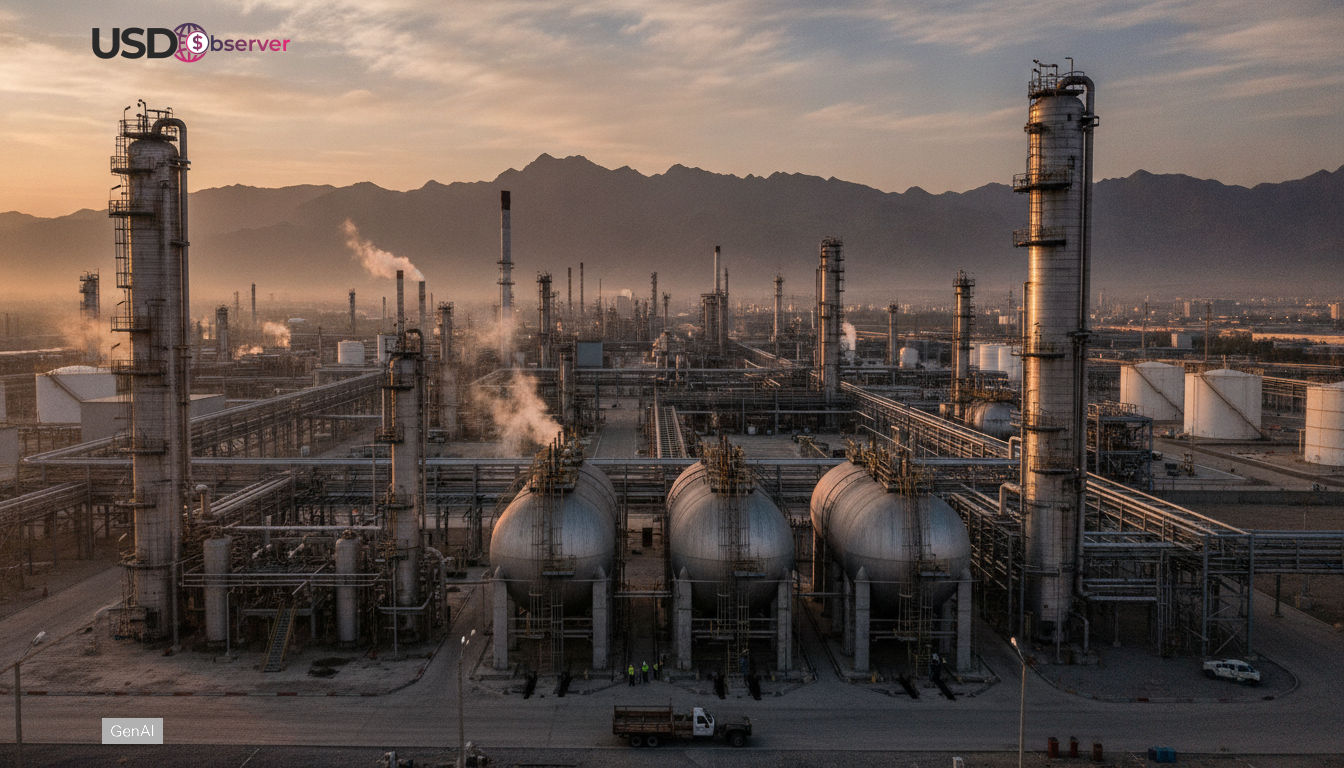
Oil prices pushed toward their highest levels since the start of the Iran war as traders priced in a wider risk premium tied to shipping lanes, insurance, and the chance of infrastructure disruption. Today the market focus is less about headline spikes and more about sustained tightness in prompt barrels, with refiners paying up for near term cargoes and storage economics turning less attractive. Brent crude led the move, reflecting the benchmark’s sensitivity to Middle East supply risk and Atlantic Basin replacement costs. A Live bid under front month contracts showed up in time spreads, signalling scarcity rather than a simple speculative pop. The clearest Update from pricing was a firmer floor, not just a higher ceiling.
Global Market Reactions to Increasing Oil Prices
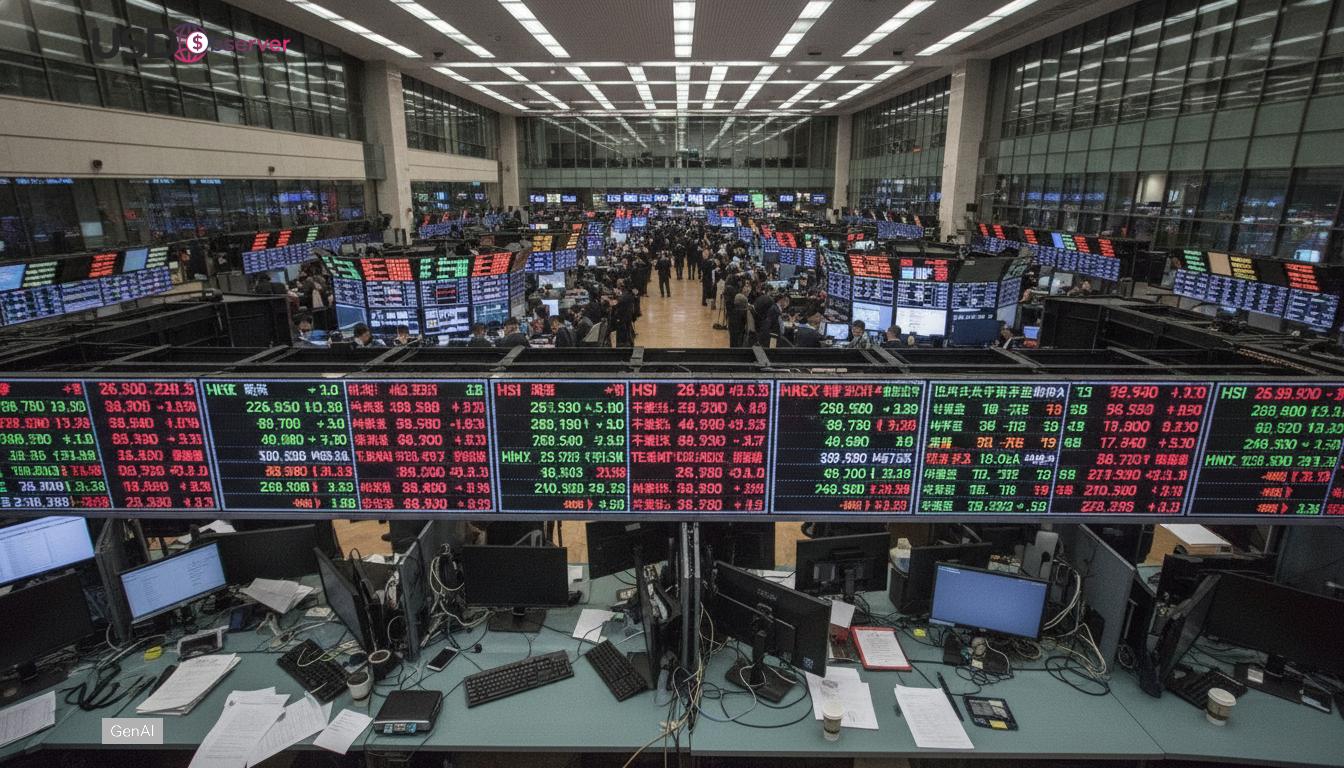
Global markets responded in a familiar sequence, energy equities and oil linked currencies strengthened, while rate sensitive sectors and transport names took the hit as fuel costs rose. Dollar positioning also tightened as investors shifted toward perceived safety, a pattern that tends to amplify commodity moves when liquidity thins. Today a cross asset read showed volatility picking up in credit spreads and short dated options, mirroring the oil tape rather than leading it. In parallel, the broader risk conversation has been shaped by policy and market plumbing, including coverage of the dollar index holding near 100 as investors track the conflict. That Live linkage matters because an Update in USD direction can change local fuel inflation quickly.
Historical Context: Oil Price Fluctuations in Conflict
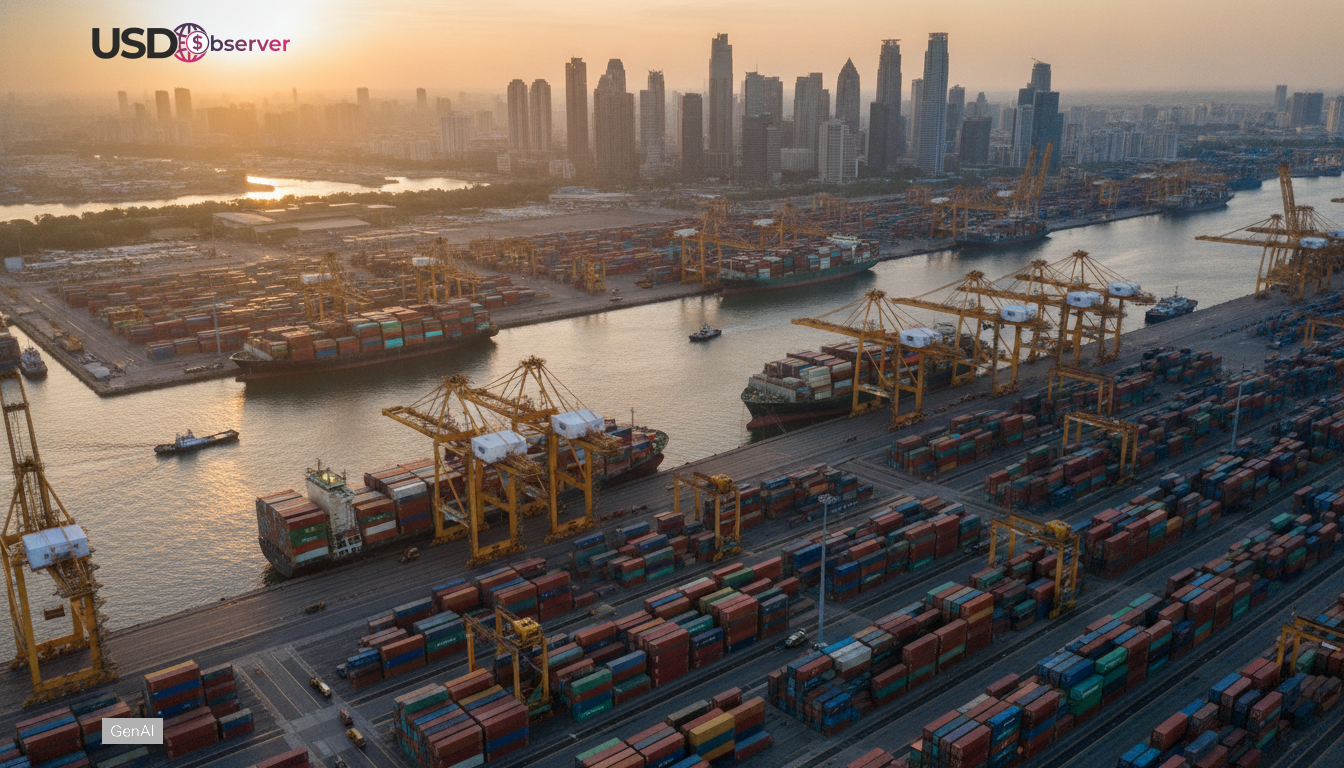
Past conflict episodes show that crude rarely moves on fear alone, it moves when risk intersects with logistics, spare capacity, and credible threats to transit routes. The Iran war framing revived comparisons to prior Middle East shocks where prices overshot on initial headlines, then settled into a range once buyers mapped alternative supply. Brent crude has historically been the clearest barometer because it prices seaborne flows and marginal replacement barrels. Unlike earlier cycles driven by demand booms, this surge is being driven by insurance costs, tanker rerouting, and the possibility of longer voyages that effectively reduce available supply. Reporting from OilPrice.com analysis on conflict risk premiums has tracked how these frictions can keep crude elevated even without a physical outage.
Economic Implications for Oil-Dependent Economies
For oil importing economies, the immediate strain shows up in trade balances, subsidy bills, and the cost of keeping transport and power stable while households face higher prices at the pump. Central banks then confront a tougher mix, imported energy inflation lifts headline readings even if domestic demand is cooling. The knock on effect for global markets can be sharper in countries with high dollar debt, because energy is priced in USD and tighter financial conditions arrive at the same time. The Strait of Hormuz remains a critical choke point for both crude and products, and any disruption risk forces governments and companies to hold more working inventory. That dynamic is detailed in analysis of why Hormuz still anchors global economic security, which helps explain why macro hedging costs rise alongside crude.
Future Projections for Oil Prices and Market Stability
Near term stability will depend on whether price action continues to be led by time spreads and freight signals rather than just futures headlines, because those indicators reflect real world tightness. Investors are watching refinery runs, product cracks, and the pace of strategic stock use, all of which can cushion or worsen the shock. Policy responses matter as well, coordinated messaging can dampen panic, but credible spare capacity and clear shipping assurances do more. A key risk is that higher crude feeds into broader inflation expectations, forcing tighter policy that slows growth without lowering energy costs immediately. For a wider macro frame on how trade costs transmit into consumer prices, see reporting on how tariff shifts rewired pricing channels. The most disciplined projection keeps oil prices elevated while the risk premium persists, but avoids calling a straight line higher.