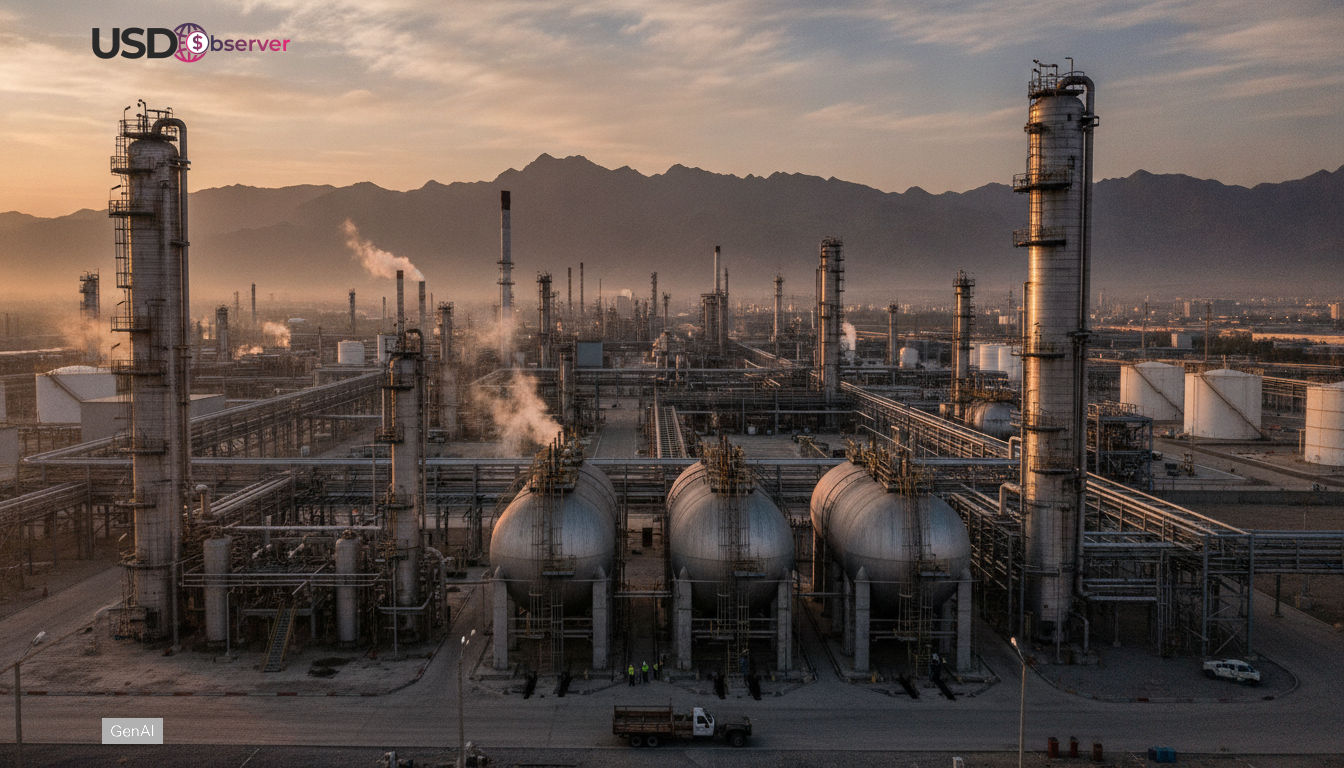
The continued importance of the Strait of Hormuz to the United States underscores how deeply interconnected global energy markets remain, despite efforts to reduce dependence on Middle Eastern oil. The narrow waterway serves as one of the world’s most critical chokepoints, with a significant portion of global oil and liquefied natural gas shipments passing through it daily. Even though the US has increased domestic energy production in recent years, the stability of this route remains essential for maintaining global economic balance.
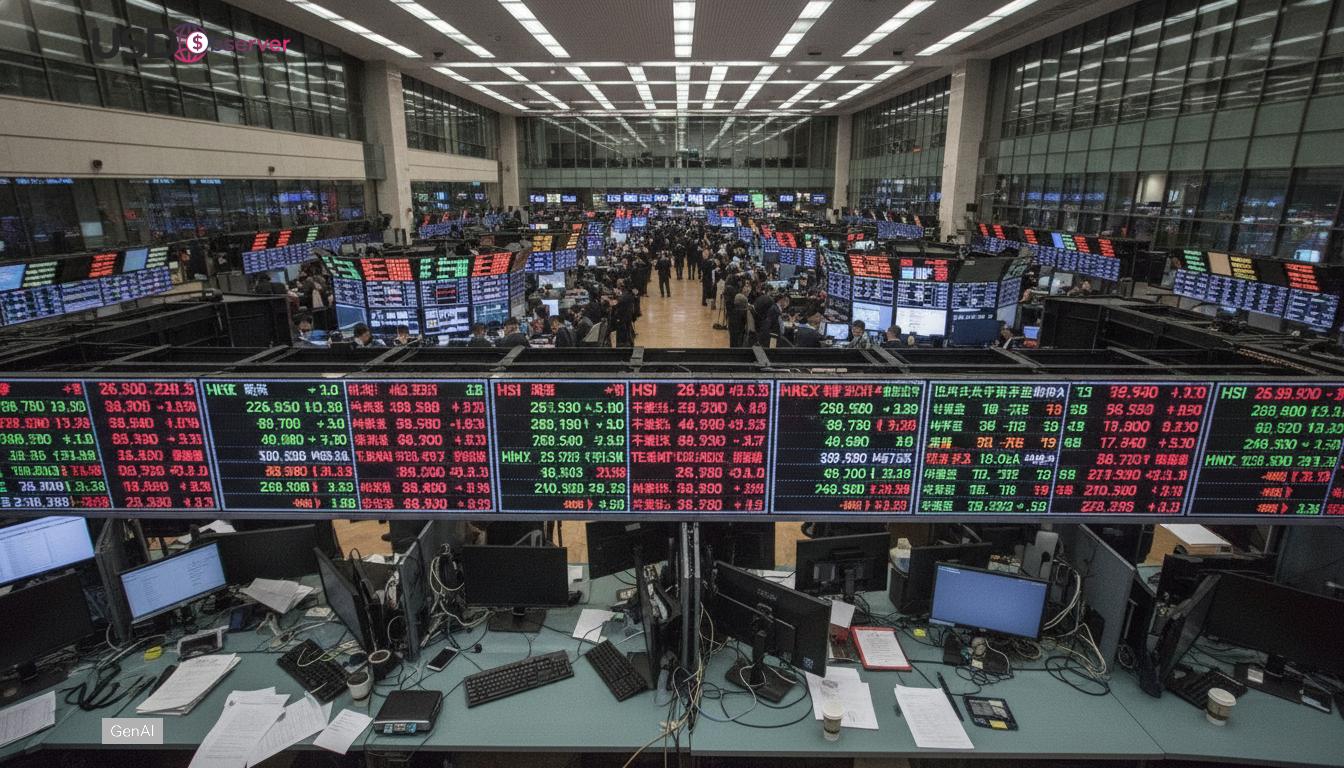
Energy markets operate on a global pricing system, meaning disruptions in one region can quickly affect prices worldwide. If the Strait of Hormuz were to face blockages or instability, it could lead to sharp spikes in oil prices, impacting not only importing nations but also the US economy. Higher energy costs can increase inflation, disrupt industries, and slow economic growth, making the security of the passage a shared concern across global markets rather than a regional issue alone.
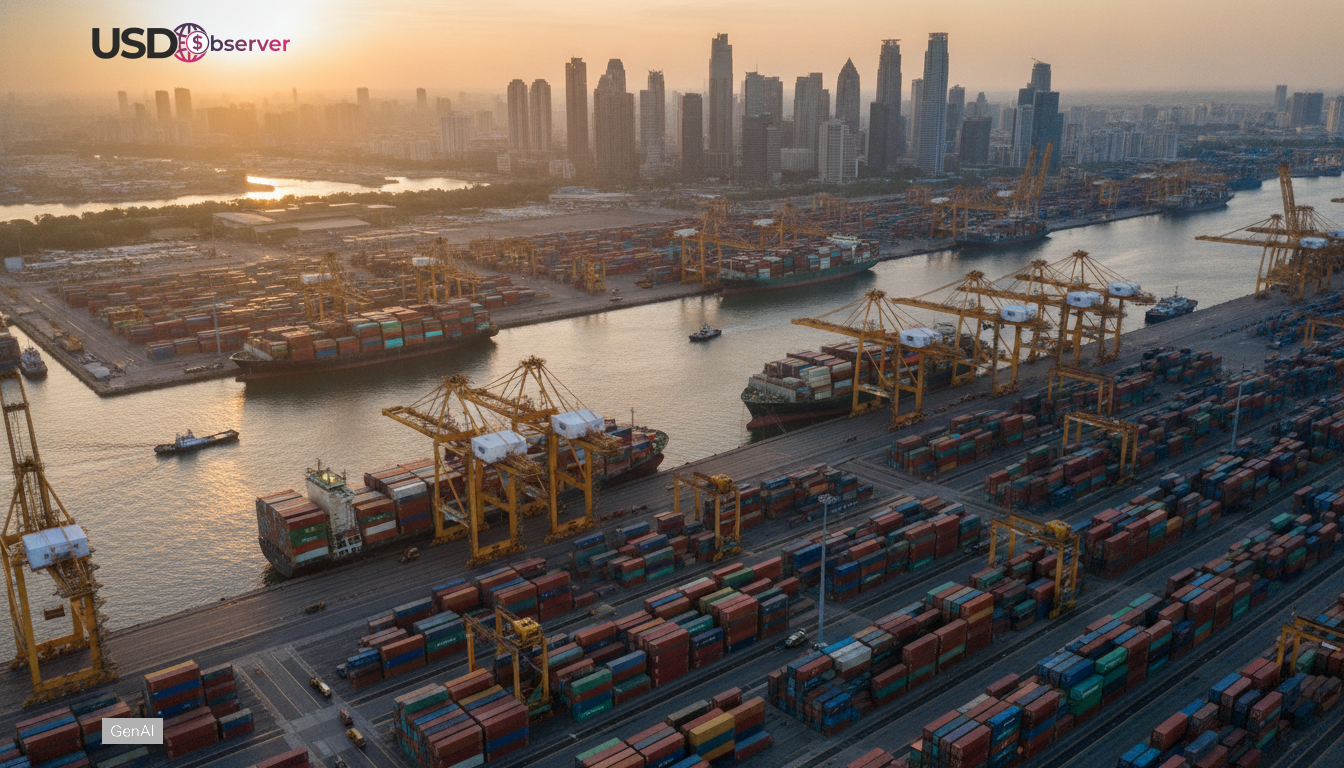
Beyond direct energy imports, the US has a strategic interest in ensuring uninterrupted global trade flows. Many of its allies, particularly in Europe and Asia, rely heavily on energy supplies that transit through the Strait of Hormuz. Any disruption could weaken allied economies, affecting global demand, trade relationships, and financial stability. Maintaining secure shipping lanes therefore aligns with broader US economic and geopolitical interests.
Military and diplomatic strategies have long reflected this priority, with efforts focused on protecting maritime routes and preventing escalation in the region. The presence of international naval forces and ongoing diplomatic engagement highlights the importance placed on keeping the passage open. Stability in the Strait is seen as a cornerstone of global economic security, given its role in supporting energy distribution and international commerce.
As geopolitical tensions continue to evolve, the relevance of the Strait of Hormuz remains unchanged, reinforcing its status as a vital link in the global economic system. The US position reflects a broader understanding that even with shifting energy dynamics, safeguarding key trade routes is critical for ensuring stability across interconnected markets.