Exploring the Dollar’s Global Position
As markets moved in early May, the dollar retained its role as a key funding and safe haven asset, despite fluctuations in cross-border hedging costs. Amid this landscape, discussions around the US dollar decline have become prominent in portfolio strategies and bank analyses as managers reevaluate concentration risks. Traders monitoring swaps and Treasury auctions are interpreting intraday shifts as tests of market confidence rather than indicators of collapse. Key indicators, such as the Federal Reserve’s H.4.1 release and the US Treasury’s auction schedules, continue to serve as critical checkpoints for liquidity conditions, prompting desks to send alerts when funding spreads widen. Amidst this volatility, many trade finance lines still align with dollar benchmarks globally.
Political and Operational Drivers of Decline
Current pressures are increasingly political and operational rather than purely macroeconomic. The Bank for International Settlements has illustrated that sanctions and compliance expenses can disrupt payment systems, intensifying discussions around the dollar’s decline in corporate treasuries. The emergence of stablecoins is also gaining traction, particularly for immediate settlement between entities looking to avoid delays; ongoing discussions in payment circles connect this trend to reserve diversification, including perspectives on Tether, Circle, and the Push for Stablecoin Rules, highlighting regulatory influences on dollar-linked tokens. In a parallel vein, the BBC recently covered Amazon’s drone delivery innovations in the UK, showcasing how operational advancements can redefine settlement expectations in real time. The interplay of geopolitics, regulation, and payment speed is fundamentally shifting market incentives.
Challenges for International Trade
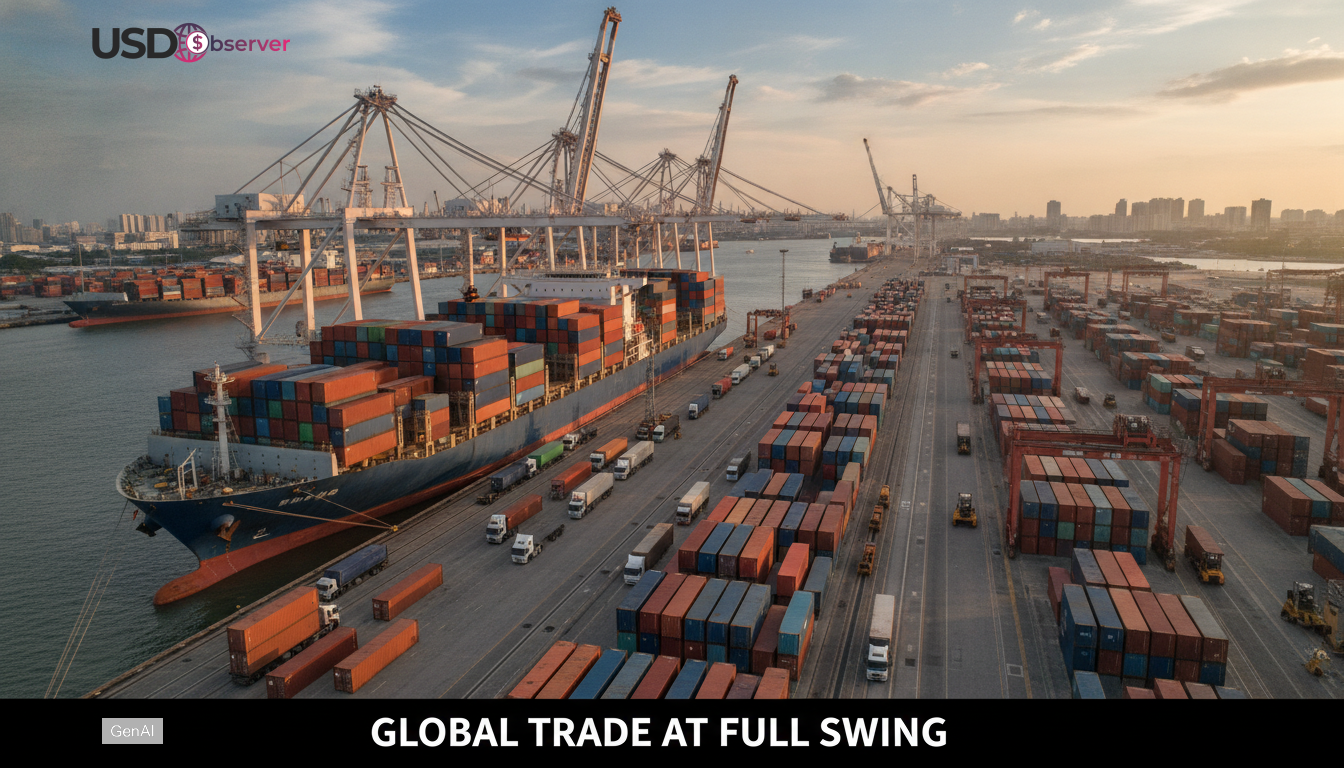
In trade invoicing, firms are increasingly seeking currency flexibility to mitigate margin shocks caused by the dollar’s volatility, particularly in sectors like energy, metals, and shipping. The World Trade Organization’s recent trade monitoring reports emphasize that policy uncertainty is elevating transaction costs. This context frames the discussion of the US dollar decline as a critical risk management issue rather than merely a headline event. Insights from FX desks indicate that hedging is the primary mechanism at work, closely monitored in the Dollar Dominance Monitor, where forward and options pricing directly impact import costs. As a consequence, businesses are experiencing more frequent contract repricing and a rapid update cycle, often faster than finance departments are accustomed to.
Incremental Gains for Alternative Currencies
Alternative currencies are slowly making headway through settlement pathways, rather than through abrupt shifts. The European Central Bank has pointed out that euro usage typically increases alongside regional trade and financing depth. Meanwhile, the IMF’s COFER tables indicate that shifts in reserve shares are gradual and correlate with market depth. This suggests that the narrative around global currencies is less about supplanting the dollar and more about the establishment of parallel liquidity pools, including euros and yen. Significant pricing developments in offshore yuan and the blossoming of local currency bond markets are providing businesses with additional tools to align revenues with obligations. Today, banks are marketing more multi-currency cash management solutions, and updates frequently arise following adjustments from regional central banks concerning swap lines or collateral regulations.
Forecasting the Dollar’s Future
Looking ahead, three likely scenarios emerge: persistent dollar strength with intermittent stress, gradual diversification, or a dramatic confidence collapse linked to governance and fiscal policies. The Congressional Budget Office’s long-term budget forecasts serve as a key reference in debates over debt sustainability, while rating agencies like Moody’s and S&P Global publish closely watched criteria during fiscal disputes. A significant indicator in the market will be whether Treasury bid-to-cover ratios and term premiums remain stable, as these are fundamental to maintaining safe asset status. The conversation around the US dollar decline becomes more significant only if funding markets consistently face distress, a situation the Fed’s standing repo facility aims to prevent. Currently, a gradual rebalancing seems more probable, with each policy decision prompting swift updates across reserves, trade invoicing, and payment systems.