Identify the Least Valuable Currencies
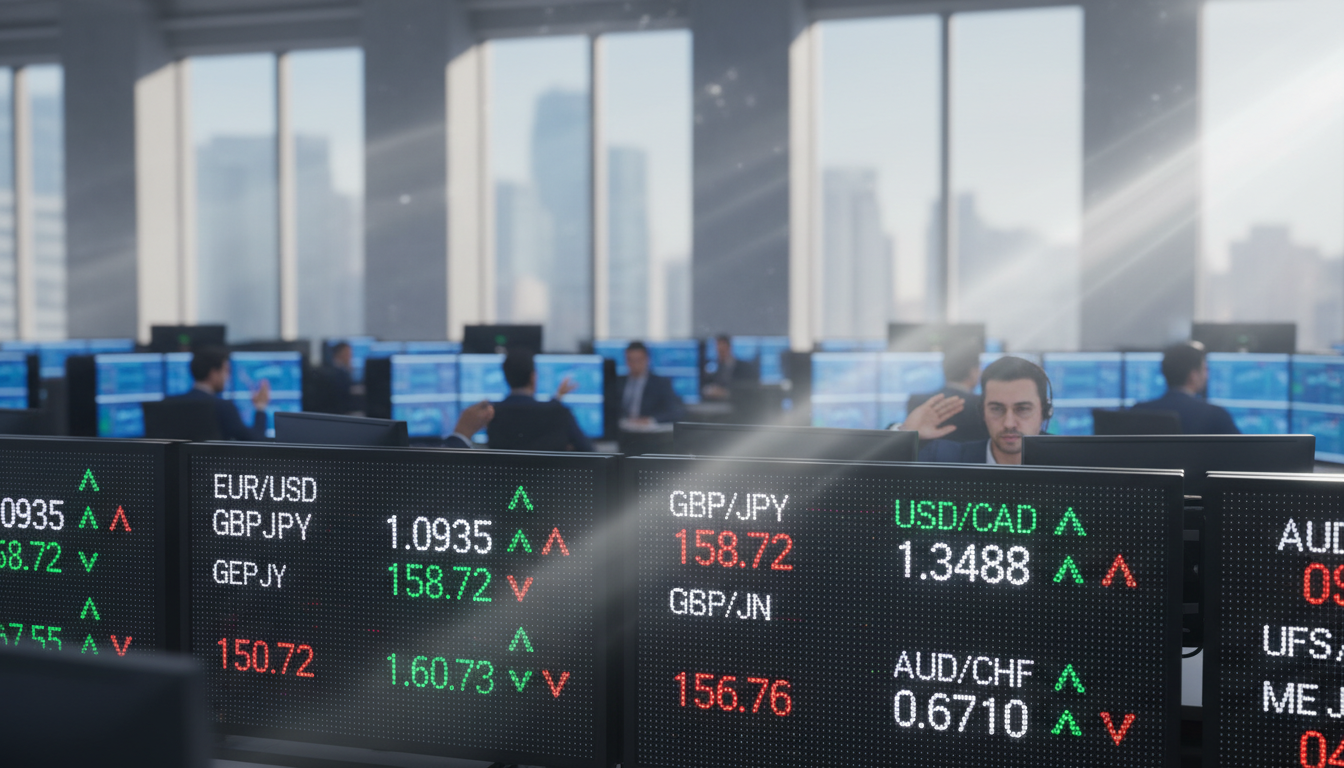
Today’s currency screens reveal striking disparities between the U.S. dollar and the world’s least valuable currencies. Traders are keenly observing these pairs in real-time within dealing rooms. As HowStuffWorks explains, units with extremely low values necessitate monumental amounts to equate to just one dollar, indicating substantial depreciation in daily market pricing. In the forex arena, this discrepancy frames discussions about USD currency strength, as professionals examine how quickly local prices adjust following exchange shifts. Updates from dealers often prioritize the pace of change rather than the sheer numerical value itself.
Factors Contributing to Currency Weakness
Weak currencies seldom pivot on a solitary headline. Current valuations are often the cumulative result of a myriad of pressures like inflation, dwindling reserves, and concerns over policy credibility, all displayed in real-time quotes. HowStuffWorks points out that low-value currencies typically emerge from economies rife with instability, where exchange rates may lag behind practical prices, only to leap suddenly. Analysts tracking the currency strength index also keep an eye on energy prices and transport issues, since any disruption can swiftly exacerbate trade deficits. A pertinent example involves sensitivity in oil markets, illustrated by BBC’s reporting on Shell profits and the implications of the Iran conflict here. Such factors are crucial for traders assessing impacts on fuel-importing nations, with upcoming updates reflecting the responses from central banks.
Impact on Trade and Global Economy
A weak currency burdens importers, raising costs in local terms. Today, tighter credit conditions are emerging for companies reliant on foreign staples. Real-time market observations reveal a shift towards dollar or euro-denominated invoices, while households experience rapid increases in prices for essentials like food, medicine, and fuel. Conversations around cross-border payments are increasingly merging with stablecoins, as some merchants adopt them to mitigate conversion complexities. This trend is explored in-depth in Tether, Circle, and the Push for Stablecoin Rules here. Despite this, the forex market remains the go-to for hedging trade exposures, with a reliable currency strength gauge often emerging from liquidity, spreads, and settlement availability rather than mere headlines.
Historical Trends in Currency Exchange
Historically, significant shifts in weak currency pairs tend to correlate with changes in fiscal discipline, commodity market shocks, or reduced access to hard currency settlements. Current trading desks map these historical trends against present risk parameters in real-time markets. HowStuffWorks contextualizes the issue of low-value currencies as a trajectory of prolonged depreciation; this perspective resonates with what traders observe through multiyear charts. For an insightful update on how reserve demands impact pricing, readers frequently consult the analysis in Dollar Dominance Monitor here, which closely examines the interplay between dollar usage and funding markets. Typically, USD currency strength spikes during periods of heightened stress, particularly when liquidity preferences eclipse local yield considerations.
Future Outlook for the Dollar Index
The immediate trajectory of the dollar index is shaped today by growth forecasts, inflation trends, and global investors’ willingness to retain dollar assets amid market volatility. This pattern is evident in real-time pricing across G10 and emerging market currency pairs such as USD/JPY and USD/MXN. No single indicator can definitively resolve the ongoing debate, so trading desks amalgamate rate differentials, positioning, and options skews to predict forthcoming updates. HowStuffWorks stresses that weak currencies can persist in their weakness if underlying fundamentals remain unchanged, which influences how firms hedge and price exports. USD currency strength may oscillate sharply with shifts in risk appetite, yet the market’s foundation remains firmly rooted in liquidity depth and convenience of settlement. Traders are attentively assessing whether improvements abroad in policy credibility outpace shifts in U.S. conditions.