The US Dollar remained broadly stable in early trading as investors prepared for a closely watched inflation report while continuing to monitor geopolitical tensions linked to the Middle East. Currency markets entered the new session with cautious positioning, as traders balanced expectations around US monetary policy against renewed uncertainty surrounding Iran and broader global risk sentiment.
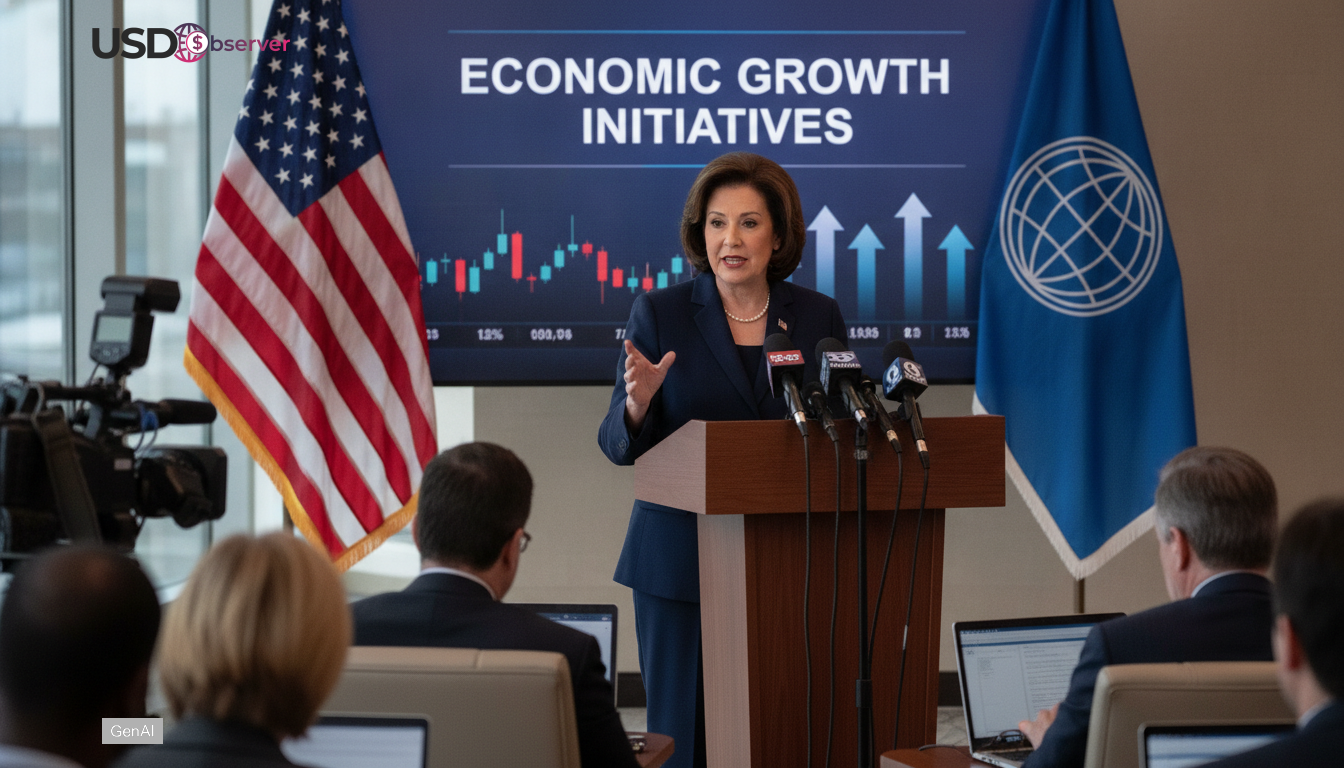
The US Dollar Index hovered near the 97.95 region, reflecting a market environment where investors are reluctant to make aggressive moves ahead of the upcoming US Consumer Price Index data. Analysts view the inflation report as one of the most important economic releases of the month because it could shape expectations around future Federal Reserve interest rate decisions. Any signs of persistent inflationary pressure may strengthen the case for keeping borrowing costs elevated for longer, while softer figures could revive hopes of policy easing later in the year.
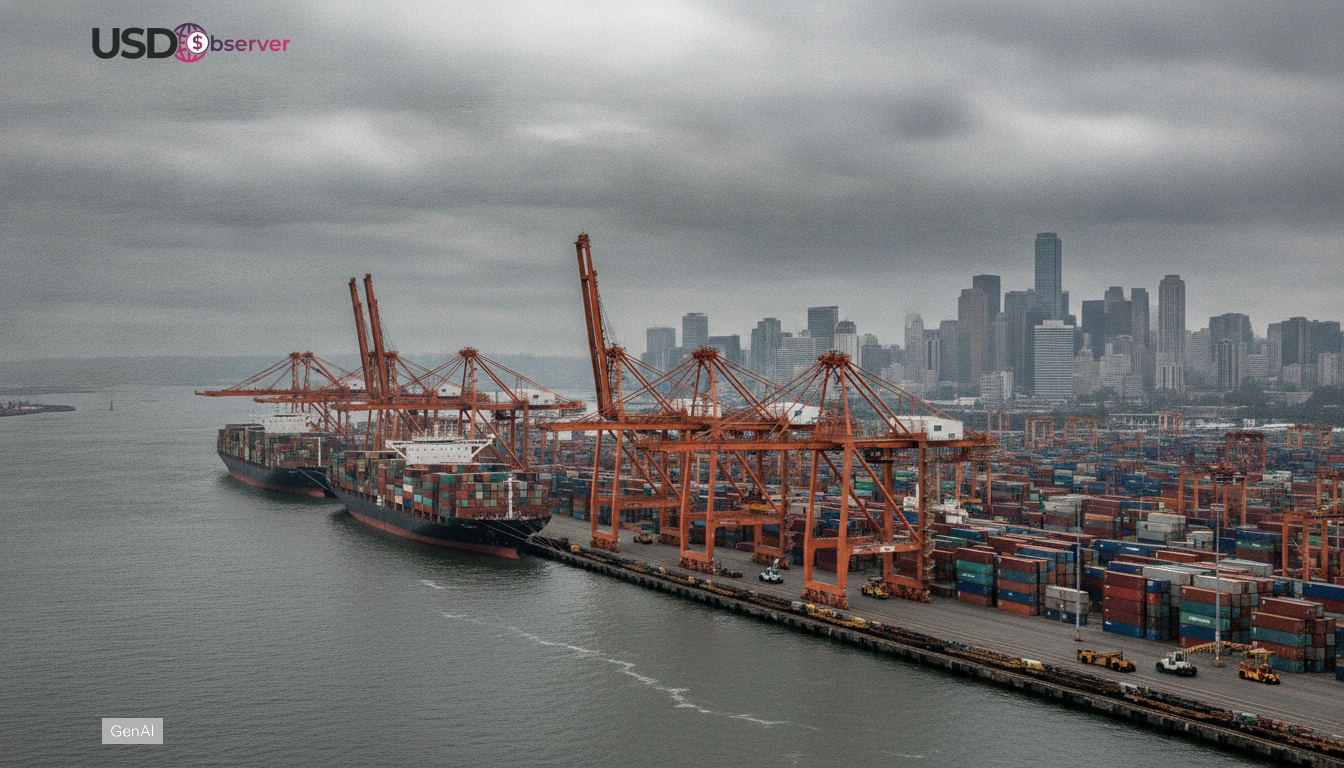
At the same time, geopolitical concerns remain a major influence on market behaviour after US President Donald Trump reportedly dismissed Iran’s latest peace proposal, describing it as completely unacceptable. The comments added fresh uncertainty to an already fragile situation in the Middle East, where tensions surrounding shipping routes and energy supplies continue to affect investor confidence. Financial markets have remained highly sensitive to developments involving Iran, particularly because of the potential impact on oil prices and global inflation trends.
Currency traders are now facing a complex environment where economic data and geopolitical headlines are driving sentiment simultaneously. The US Dollar has benefited in recent sessions from its traditional role as a defensive asset during periods of uncertainty, although gains have been limited by cautious expectations surrounding inflation and interest rates. Investors are increasingly focused on whether upcoming data will confirm signs of economic resilience in the United States or point toward a gradual slowdown that could shift central bank policy expectations.
Across broader financial markets, traders are also evaluating how geopolitical risks may influence commodity prices, especially energy markets. Rising oil prices linked to instability in the Middle East could complicate inflation trends globally, placing additional pressure on policymakers already trying to balance economic growth with price stability. This has created a more defensive tone across forex trading desks, with many investors reducing exposure to higher risk currencies while waiting for clearer signals from both economic and political developments.
Market analysts suggest that volatility may increase sharply once the CPI figures are released, especially if the numbers deviate significantly from forecasts. A stronger than expected inflation reading could boost Treasury yields and support further Dollar strength, while weaker data may encourage risk appetite and pressure the currency lower. For now, the Dollar continues to trade within a relatively stable range as markets remain caught between economic uncertainty and geopolitical caution.