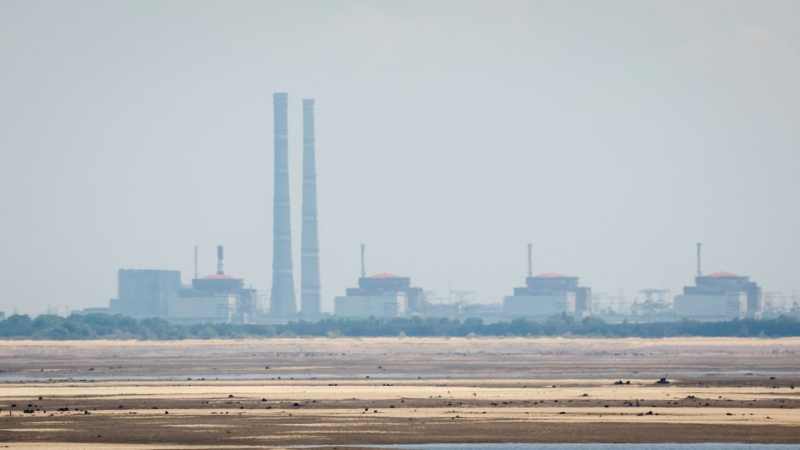
Ukraine has said Russia does not possess the necessary equipment and technical capacity to safely restart the Zaporizhzhia Nuclear Power Plant, Europe’s largest nuclear facility, which has been under Russian control since the early days of the invasion.
The six reactors at the Zaporizhzhia Nuclear Power Plant have remained shut down since Russian forces seized the site. Moscow has previously indicated that it aims to bring at least one reactor back online in the coming years. However, Ukraine’s state nuclear operator insists that any restart under current conditions would pose significant safety risks.
According to the head of Energoatom, key components required to operate the plant safely remain tied to Ukrainian systems and supply chains. He stated that core equipment, monitoring systems, and protection mechanisms were designed within a Ukrainian framework, and spare parts are manufactured by Ukrainian enterprises. Without access to those parts and technical documentation, he argued, the plant cannot be operated securely.
The future of the facility has become a central issue in ongoing diplomatic discussions. The plant, when fully operational, has the capacity to generate enough electricity to cover a significant portion of Ukraine’s domestic demand. Control over its output and safety oversight is therefore seen as strategically important in broader negotiations.
Ukraine also raised concerns about fuel compatibility. Before the invasion, the reactors were using American sourced nuclear fuel. Restarting operations under Russian administration would require either replacing that fuel or making substantial adjustments to the control systems, which were configured for a specific fuel type. Such modifications, Ukrainian officials argue, would involve complex technical changes and carry additional risks.
Water supply remains another major challenge. The destruction of the Kakhovka dam in 2023 significantly reduced water levels in the Kakhovka reservoir, which previously provided cooling water for the plant. Adequate cooling is critical to preventing overheating in nuclear reactors, even when they are not actively generating power. Ukrainian authorities say current water reserves are insufficient to safely cool even one reactor if restarted.
The plant’s fate remains intertwined with broader security concerns. The site has been periodically subjected to shelling and military activity, raising international alarm about the potential for a nuclear incident. Global nuclear watchdogs have repeatedly called for restraint and the establishment of safety zones around the facility.
Moscow maintains that the territory where the plant is located is now under Russian jurisdiction and that its state nuclear operator has authority over the site. Ukrainian officials reject that claim and insist that safe operation is only possible under Ukrainian control with full access to original technical systems and supply chains.
As diplomatic efforts continue, the question of how and when the Zaporizhzhia plant might resume operations remains unresolved, with safety and sovereignty at the heart of the dispute.