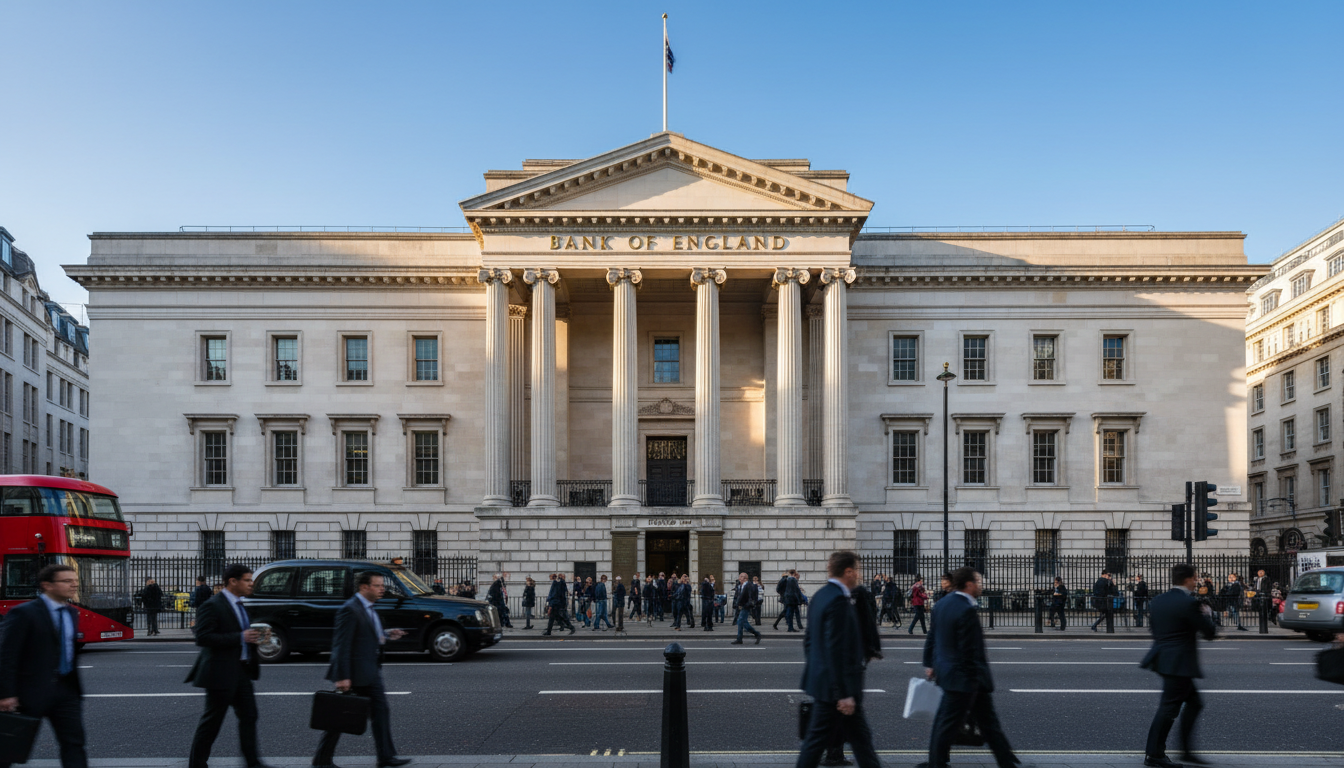
Bank of England’s Current Rate Decisions
Policymakers are keeping a tight watch on price pressures and the risk that another energy shock pushes inflation back up. In a Live briefing after the latest decision, the Bank of England emphasised that it will set rates meeting by meeting as data change. Officials tied their caution to higher fuel costs and supply risks linked to the Middle East conflict, while stressing that underlying domestic inflation still matters for the next move. The central bank also highlighted that markets have been repricing the likely path for borrowing costs as global conditions shift. Today, lenders and households are already reacting through mortgage pricing and swap rates.
Impact of Middle East Conflict on Inflation
Energy and shipping costs are moving quickly, feeding directly into the inflation outlook that the Monetary Policy Committee must judge. The BBC reported that the Bank of England said rates could rise if the Iran war fuels inflation, and the central bank noted that oil is a key channel for near term price risks. For a wider view on how market pricing has responded, Middle East conflict jolts oil prices and markets follows the immediate market reaction and the knock on effects, and in the same Update cycle, households are noticing how supermarket staples respond when transport costs rise. Consumers searching lidl near me are effectively tracking price dispersion in real time.
Potential Implications for Interest Rates
For borrowers, the immediate question is how long restrictive settings persist and whether renewed inflation fears delay any easing. The Bank of England has stressed that it will not hesitate to respond if price expectations become unanchored, a stance echoed in BBC analysis of the uncertainty facing the UK economy. In practical terms, a simple interest calculator can show how even a small change in the policy rate alters monthly payments, but the timing depends on how banks pass costs through. Today, fixed rate mortgage deals can reprice quickly when gilt yields jump, while variable rate households feel changes after lender announcements. A Live market can therefore transmit geopolitical shocks into domestic credit conditions, including those linked to the Middle East conflict.
Global Economic Repercussions
Financial markets are treating oil as the hinge between geopolitics and monetary policy, with the dollar and other safe havens moving as traders weigh higher energy costs against weaker growth. The BBC also linked fresh oil strength to the geopolitical backdrop in its coverage of price moves, underscoring how quickly import costs can change. In this Update environment, a stronger USD can tighten financial conditions for emerging markets that borrow in dollars, even if their local inflation is easing. For UK firms in London, currency swings can change the cost of components and hedging. The New York Times has also tracked how war risk alters global energy flows and investor sentiment, which in turn influences central bank decisions across major economies.
Monitoring Future Developments
Decision makers will focus on a small set of signals, energy prices, shipping insurance costs, wage growth and inflation expectations, as the next data releases arrive. The Bank of England has signalled that services inflation and pay settlements remain pivotal, but it has also acknowledged that external shocks can reshape the path quickly. For readers following Live pricing, it will matter whether oil stays elevated long enough to feed into utility bills and transport intensive sectors. Another Update will come with each policy meeting, as the committee tests whether inflation is on track to return sustainably to target. Today, the key issue is not a single headline, but whether persistence replaces volatility in input costs.