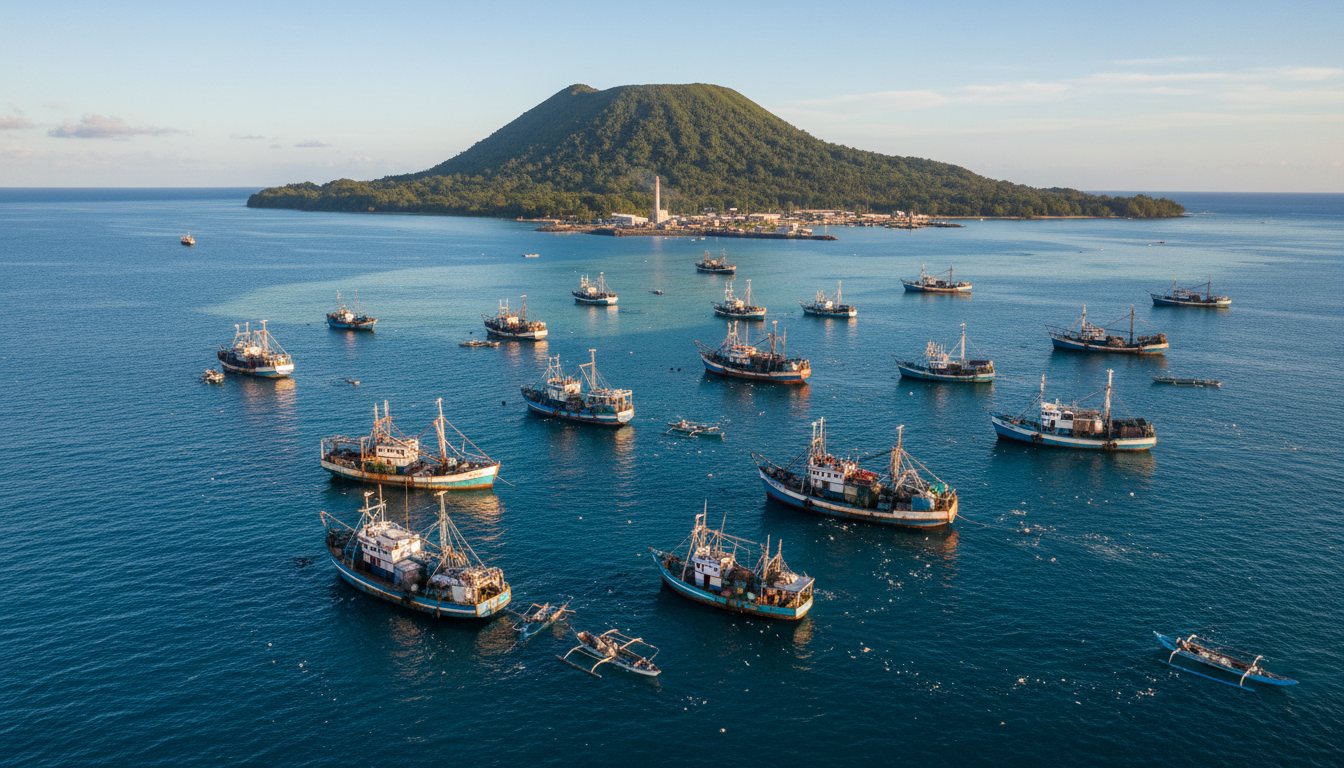
Tuna Migration Patterns Shift
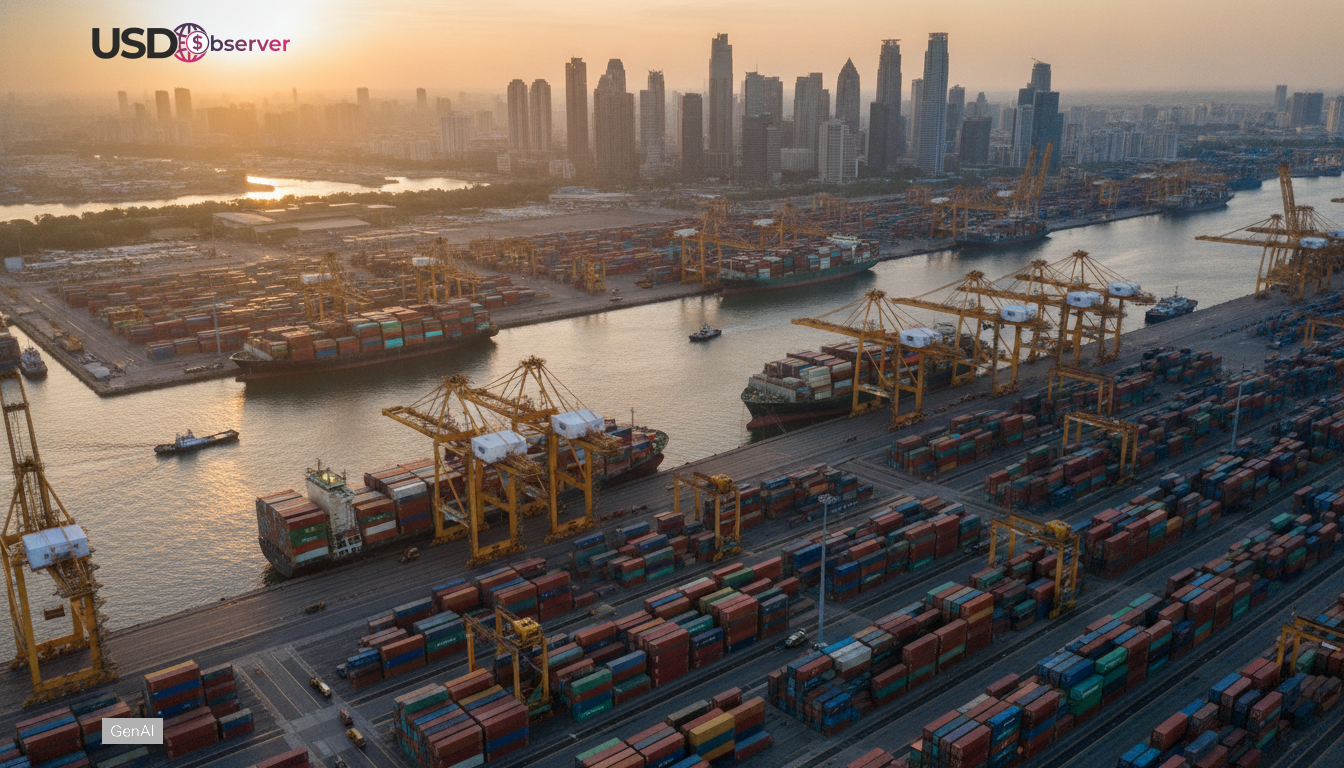
Fisheries officials across the region are adjusting quotas and patrol plans as tuna migration continues to push productive fishing grounds away from some traditional zones. Today, vessel tracking and observer notes show fleets spending longer at sea to find the same volumes, raising fuel and insurance costs that feed into national budgets. The Pacific Islands Forum Fisheries Agency briefs members with Live compliance dashboards that flag where effort is concentrating, while port agents log an Update on landings and transshipment timing. Scientists at the Pacific Community, known as SPC, have said shifting distributions are consistent with warming driven habitat changes. Processors report irregular supply windows, and crews face tighter turnaround times at ports.
Economic Impacts on Pacific Island Nations
License revenue and local employment are being squeezed when catches shift outside national waters, a pressure finance ministries are now modeling in real time. Governments track Today receipts from access fees against baseline forecasts, because a single weak season can widen fiscal gaps and raise external financing needs. For context on how macro shocks can move currencies, readers also follow NZD USD outlook analysis as Pacific trade links ripple through regional markets. The World Bank has warned that ocean warming can reduce tuna catch in some western Pacific waters while increasing it farther east, shifting income between countries and changing bargaining power in negotiations. Operators provide a Live Update to harbors on labor hours, cold storage use, and repair demand.
Role of Climate Change in Ocean Warming
Ocean warming is now the central variable in stock assessments, because temperature and oxygen conditions influence where skipjack and yellowfin can feed efficiently. In a recent BBC explainer, Faisal Islam on the UAE and Opec implications linked energy price swings to broader economic stress, and Pacific treasuries face similar sensitivity when fuel costs spike during longer fishing trips. Marine agencies use Live sea surface temperature products and each Update from satellite services to compare hot spots with catch-per-unit-effort trends. The Intergovernmental Panel on Climate Change has documented rising ocean heat content, and regional scientists apply those findings to tuna distribution models. Today briefings emphasize that management plans must assume continued warming rather than short anomalies.
Strategies for Mitigation and Adaptation
Policy teams are moving from discussion to implementation, with reforms aimed at protecting the climate change Pacific economy from abrupt fee losses and supply disruptions. Today, negotiators focus on making access terms more flexible across zones, while enforcement units expand electronic monitoring to keep rules credible as fleets roam. In parallel, the fishing industry impact is being contained through port upgrades that reduce spoilage, faster inspections, and more reliable cold chain power. An internal market lens appears in oil price moves and risk appetite because fuel is a major variable cost for tuna vessels and for national import bills. Regulators publish a Live Update on compliance outcomes, and some governments are testing insurance and stabilization funds to smooth revenue swings.
International Efforts to Support Pacific Economies
Donors and multilateral agencies are tying finance to fisheries governance and climate resilience, aiming to keep public services funded as tuna distribution evolves. The Asian Development Bank and the World Bank have backed programs that strengthen surveillance, data systems, and budgeting tools, while regional bodies coordinate shared standards to avoid a race to the bottom. In recent ministerial talks, some officials cited the climate change Pacific economy as a test case for whether climate finance reaches sectors that directly pay national bills. Separately, market news can shift available funding sentiment, and a recent Bitcoin ETF flows story shows how quickly global risk conditions can change for small issuers. Today partners publish a Live Update on grants and technical missions, and governments push for predictable long term support.