Why it matters for US inflation
US inflation can cool when gasoline prices ease, but geopolitical risk in the Middle East remains a swing factor for energy markets and the Consumer Price Index (CPI). Because CPI includes an energy component, month-to-month moves in gasoline can meaningfully affect the headline reading even when core inflation changes more slowly, according to how the CPI basket is structured by the US Bureau of Labor Statistics. For investors, the issue is whether recent relief at the pump can persist if tensions worsen and raise crude risk premia through shipping delays, higher insurance costs, or shifting supply expectations (a common mechanism discussed by market analysts, but not guaranteed). In recent US inflation updates, energy has often contributed to short-term volatility, so upcoming CPI releases are likely to be watched for confirmation across components.
Oil supply risk and shipping chokepoints
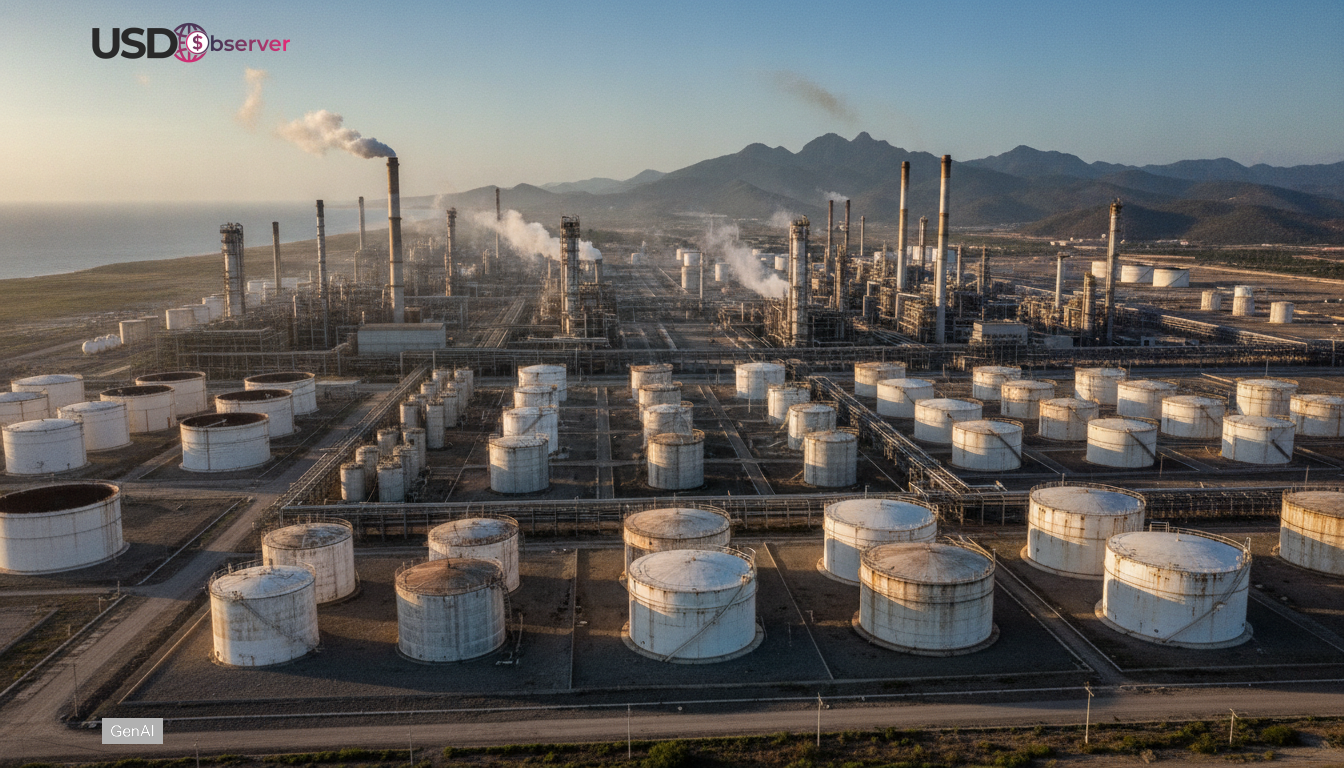
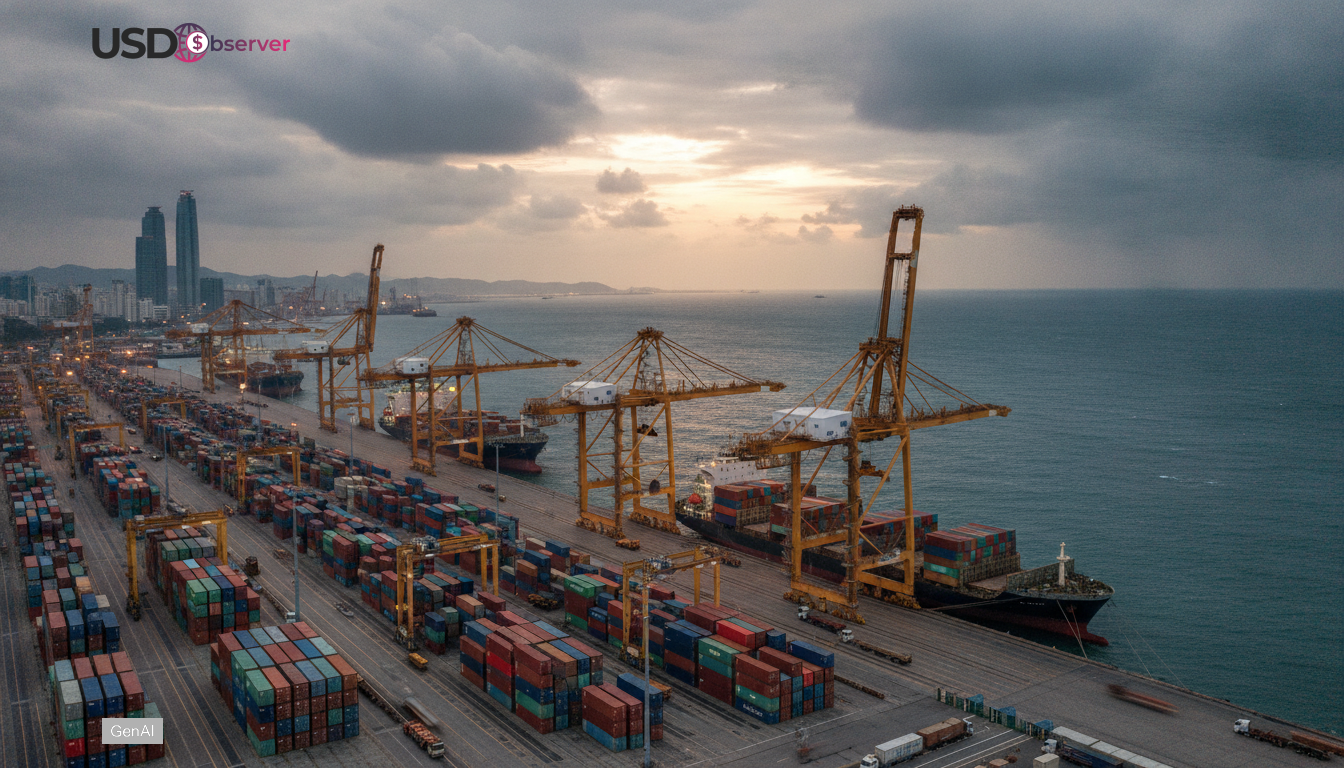
Energy traders may reprice crude on perceived disruption risk before physical supply changes show up in inventory data, as commonly observed in commodity markets. When tensions in the region flare, attention can turn to tanker availability, rerouting costs, and war risk insurance, which can raise landed fuel costs depending on contract terms and route exposure. According to the BBC, there is an indication of a recent pattern of easing US inflation alongside cheaper fuel, while suggesting that the effect may not last. For route sensitivity and freight exposure related to the Strait of Hormuz, see https://usdobserver.com/hormuz-shipping-decline-deepens-after-strikes-disrupt-route/, and related liquidity conditions can also affect commodity pricing, discussed in https://tethernews.com/stablecoin-market-faces-redemptions-and-potential-liquidity-changes/.
Gas prices and CPI: how shocks pass through
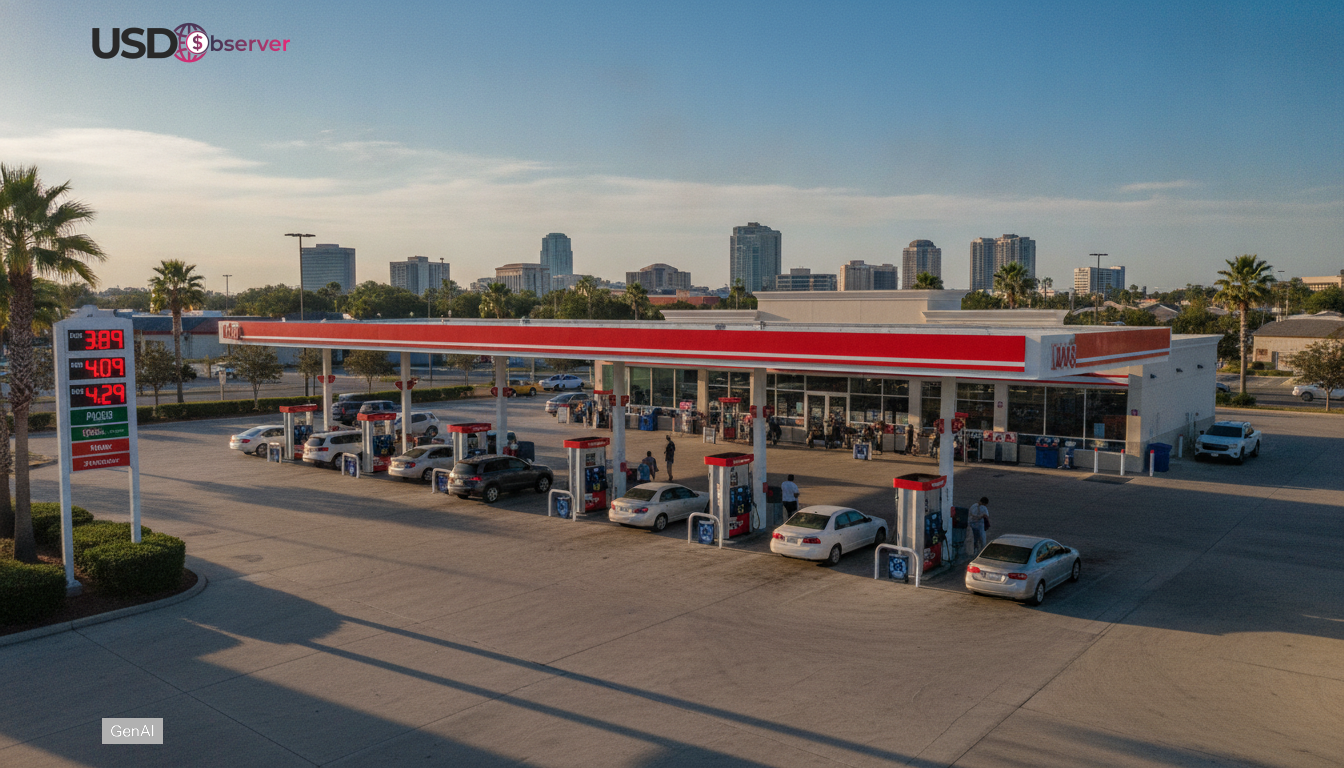
Gasoline can influence headline CPI quickly because it is purchased frequently and prices can adjust rapidly, while the broader inflation impact depends on whether higher fuel costs spill into transportation, delivery, and services pricing (an outcome that varies by episode). If crude rises on fears tied to the Middle East conflict, refiner margins and wholesale rack prices can move within days, and retail prices can follow with a lag that differs by state and local tax structure. A sustained move typically matters more than a short spike because businesses are more likely to adjust surcharges and contracts when they expect costs to persist, according to common pricing practices described by industry analysts. Analysts therefore track both energy and core categories to assess whether an oil-driven shock is mostly a headline blip or a source of more durable inflation pressure.
Federal Reserve reaction function if geopolitical energy risk lifts inflation
For the Federal Reserve, a key issue is whether energy-driven inflation lifts expectations and broadens into other categories, as policymakers have discussed in general terms in past communications. A renewed shock linked to the Middle East conflict could complicate policy by pushing headline inflation higher while potentially tightening financial conditions via wider risk premia (a channel that is possible, not certain). If inflation expectations were to rise, markets often interpret that as a factor that could delay rate cuts even if domestic demand cools, though the Fed’s decisions depend on a broad set of data. For background on USD market plumbing and regulation themes, see https://usdmirror.com/usd-stablecoin-launch-navigates-new-regulatory-challenges/, and markets also watch dollar liquidity and cross-border settlement conditions because they can affect commodity pricing and hedging costs. The practical test remains whether incoming CPI reports show broader disinflation beyond energy.
Outlook: scenarios for US inflation if tensions escalate or cool
Near-term inflation paths hinge on whether oil stays contained and whether core categories continue easing. If the Middle East conflict remains contained, futures curves may reflect steadier supply expectations and help keep headline CPI lower, even if core inflation remains sticky. If tensions escalate, shipping disruptions or heightened risk pricing could lift crude and gasoline, raising the chance of renewed headline reacceleration. Investors may want to treat a single month’s decline as one data point and compare subsequent releases for confirmation across energy, shelter, and services. The balance of risks can be asymmetric because energy prices can swing quickly, while many core categories tend to adjust more slowly, as reflected in Federal Reserve policy discussions and US Bureau of Labor Statistics CPI reporting.