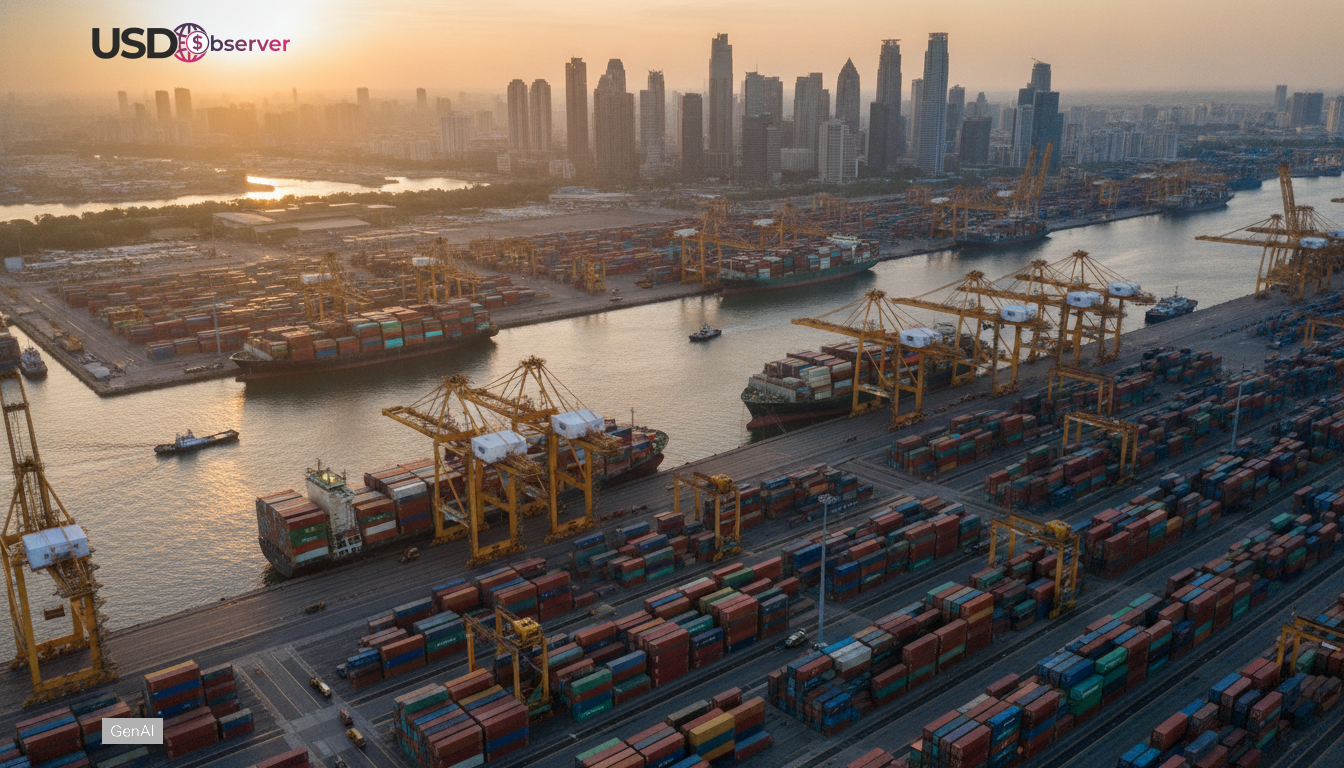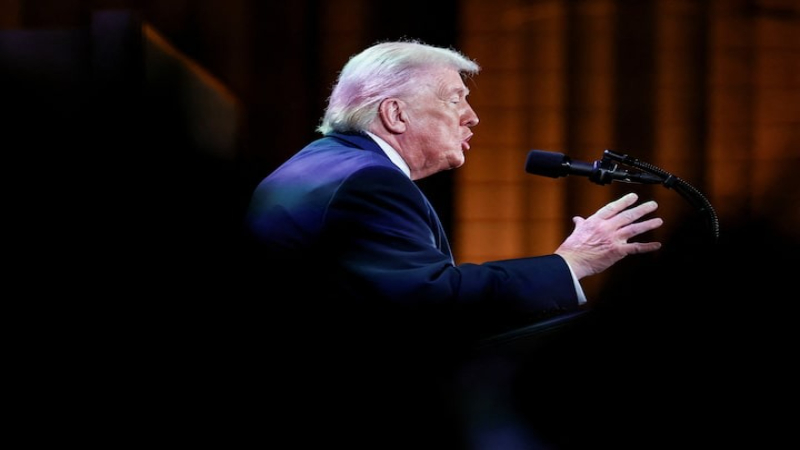
U.S. President Donald Trump announced plans to reopen Venezuela’s airspace to U.S. aircraft following a discussion with the country’s acting president, signaling a potential shift in relations after months of heightened tension. The move would allow commercial and possibly other U.S. flights to traverse Venezuelan airspace, reversing previous restrictions that had been part of broader diplomatic and security measures. Trump said the decision came after productive talks with Delcy Rodríguez, who assumed interim leadership in Caracas amid ongoing political instability. The reopening of airspace could facilitate travel, cargo movements, and deeper engagement between the two nations at a time when Washington has been recalibrating its approach to Venezuela’s government and energy sector. Opening the skies also reflects broader discussions about easing certain barriers that have constrained economic and logistical linkages in the region.
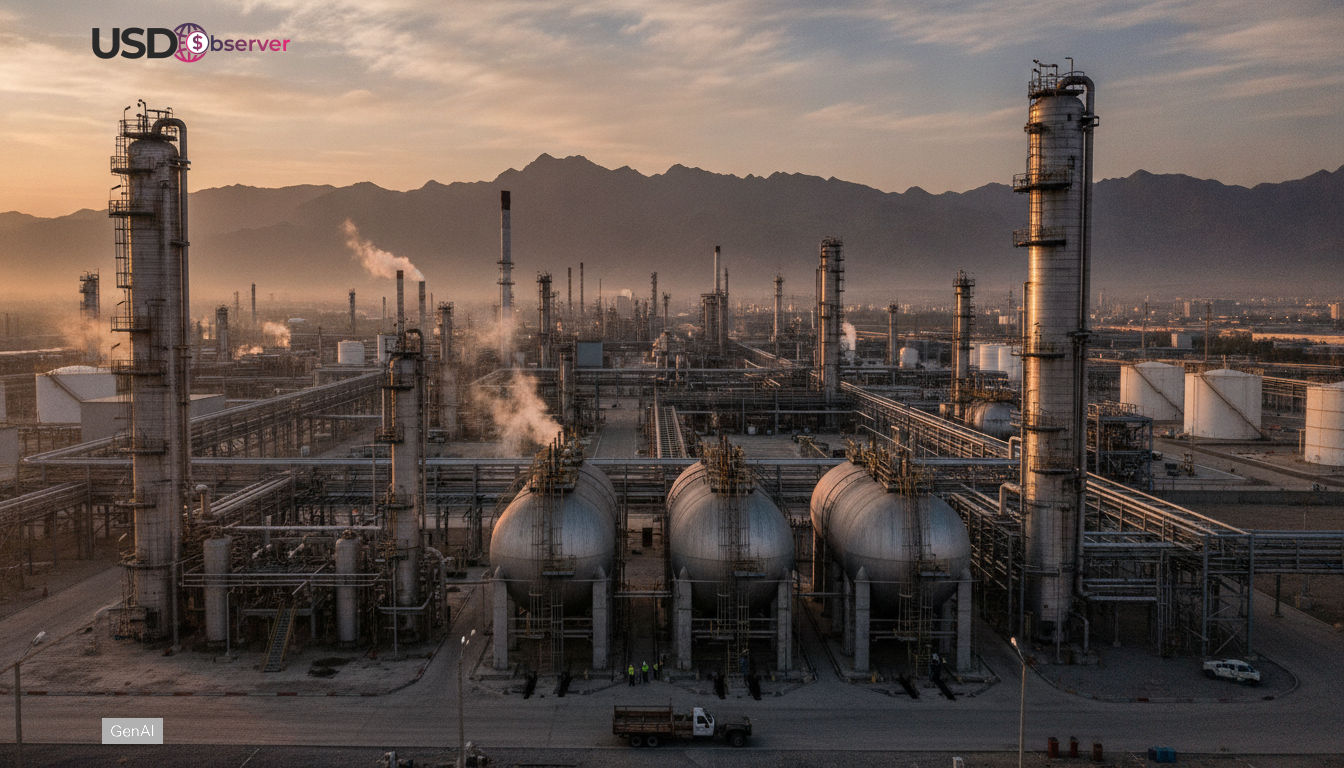
Trump also indicated that major U.S. oil companies are planning to travel to Venezuela to explore investment and project opportunities, a development that underscores ongoing interest in the country’s vast energy resources. Venezuela holds some of the largest proven oil reserves in the world, and U.S. energy firms have historically been engaged in the region, though operations were largely halted after expropriations and sanctions in prior years. Renewed access and discussions with energy executives suggest a willingness among American companies to assess potential roles in rebuilding production, refining, and export capabilities. Such investments could have substantial implications for global oil markets, particularly if legal and financial frameworks are clarified to support foreign participation. For now, Trump’s comments signal intent and preliminary outreach, but considerable uncertainty remains over how quickly tangible projects will move forward amid ongoing political and legal complexities.
The broader context of U.S.-Venezuela relations has been marked by a mix of confrontation and cautious engagement. Washington’s actions earlier this year included military operations aimed at dismantling what it described as security and drug trafficking threats, and the capture of Venezuela’s former president sparked global debate. Since then, U.S. officials have discussed a range of measures to influence Venezuela’s political transition and energy sector reform, while maintaining sanctions on certain entities. Dialogue with interim leaders like Rodríguez has been framed by Trump administration officials as a way to steer Venezuela toward greater alignment with U.S. interests, including curbing influence from rival powers and encouraging market-friendly reforms. While reopening airspace may appear symbolic, it could also pave the way for further diplomatic and economic engagement if both sides can navigate complex legal, security, and political hurdles.