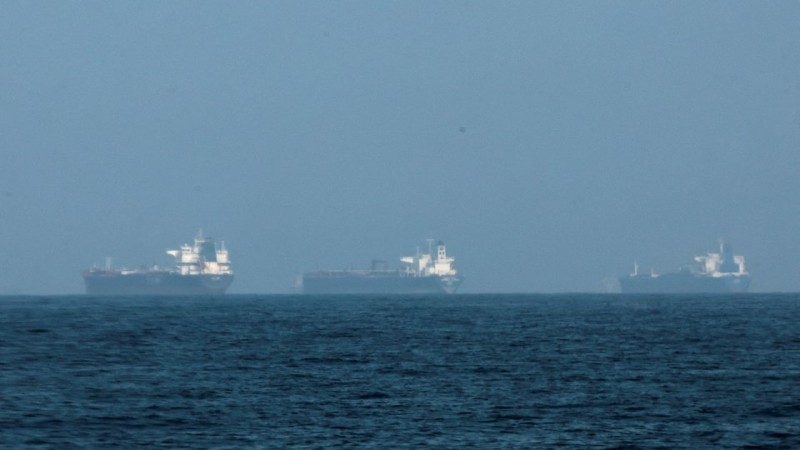
President Donald Trump has directed federal agencies to provide political risk insurance and financial guarantees for oil tankers operating in the Gulf, signaling a coordinated effort to stabilize global energy markets as tensions escalate in the Middle East. The administration also indicated that the U.S. Navy could begin escorting commercial vessels through the Strait of Hormuz if security conditions deteriorate further.
The move comes as crude prices surge following intensified military exchanges involving Iran, Israel, and U.S. forces. The Strait of Hormuz, a narrow maritime corridor between Iran and Oman, handles roughly 20 percent of the world’s oil supply. Disruptions in this chokepoint have already driven up war risk premiums, shipping costs, and energy futures.
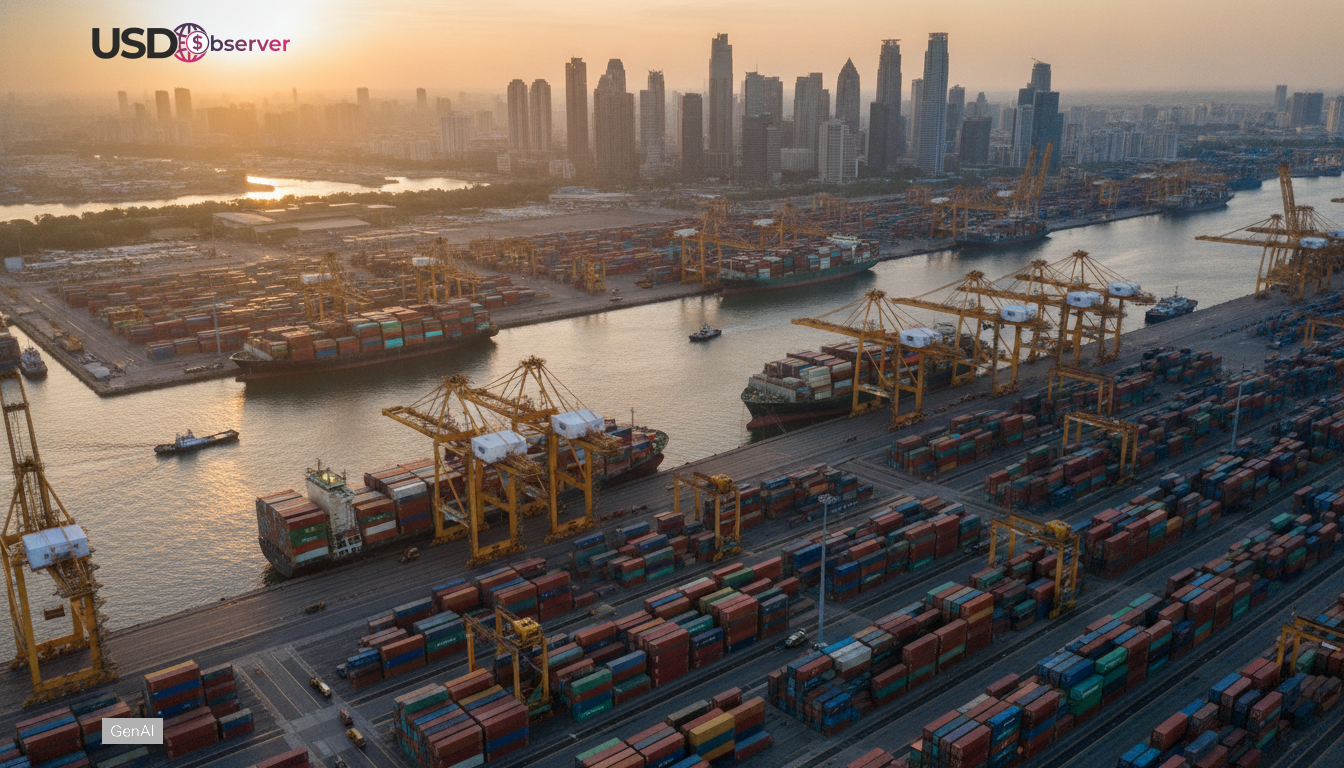
By activating political risk coverage through U.S. financial institutions, Washington aims to offset rising insurance costs that have made tanker operators reluctant to transit the Gulf. Several insurers have reportedly reassessed exposure to the region, while freight rates for supertankers have climbed sharply. Higher insurance premiums translate directly into increased transportation costs, which can feed into global fuel prices and inflation.
The administration’s strategy combines financial backstops with potential military protection. Naval escorts would be designed to deter attacks on energy shipments and ensure continuity of supply. Similar measures were deployed during the Iran Iraq conflict in the 1980s, when the United States reflagged and escorted tankers after insurers withdrew coverage. After the September 11 attacks, federal authorities also stepped in to stabilize aviation and maritime insurance markets.
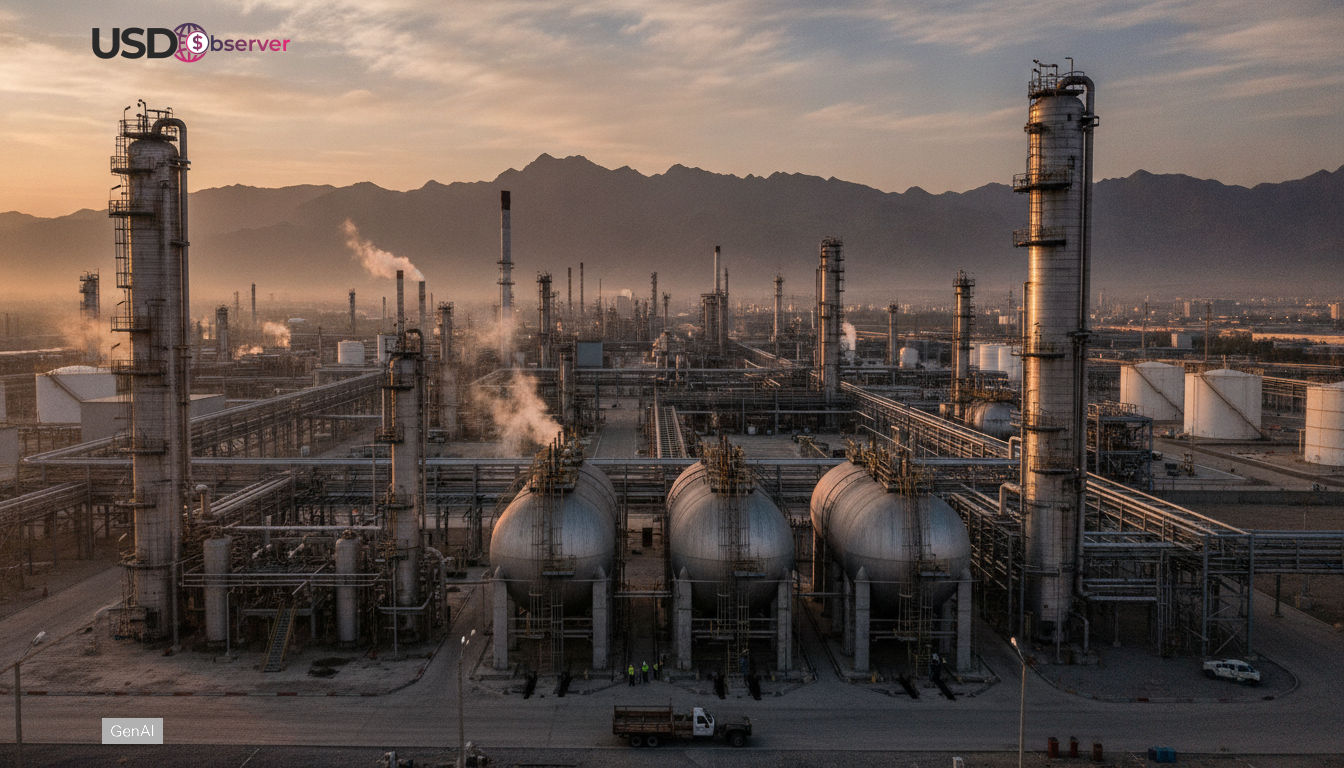
Energy prices have become a central political and economic issue. Trump has repeatedly emphasized lower fuel costs as a pillar of his economic agenda. However, benchmark oil prices have climbed amid fears that tanker damage, blocked shipments, and retaliatory strikes could escalate further. Diesel futures have also risen, adding pressure on transportation and logistics sectors.
Treasury and energy officials are reportedly coordinating policy options that could include additional measures if crude prices continue to spike. While the administration has so far been cautious about drawing down the Strategic Petroleum Reserve, market participants are closely watching for signals that emergency reserves could be deployed to ease supply concerns.
Financial markets are reacting to the broader inflationary implications. Higher oil prices risk complicating the Federal Reserve’s policy path, particularly if energy driven price pressures filter into consumer goods and services. Rising war risk premiums also affect global trade flows, especially for import dependent economies.
Beyond energy markets, the U.S. dollar has remained firm as investors seek relative safety amid geopolitical uncertainty. A stronger dollar can tighten financial conditions globally, amplifying the impact of elevated commodity prices on emerging markets.
With tanker traffic under scrutiny and shipping insurers reassessing exposure daily, the administration’s insurance backstop and potential naval escorts represent a direct intervention in global energy logistics. The trajectory of oil prices will likely hinge on whether maritime security stabilizes or further escalates in the days ahead.