What is changing in 2026
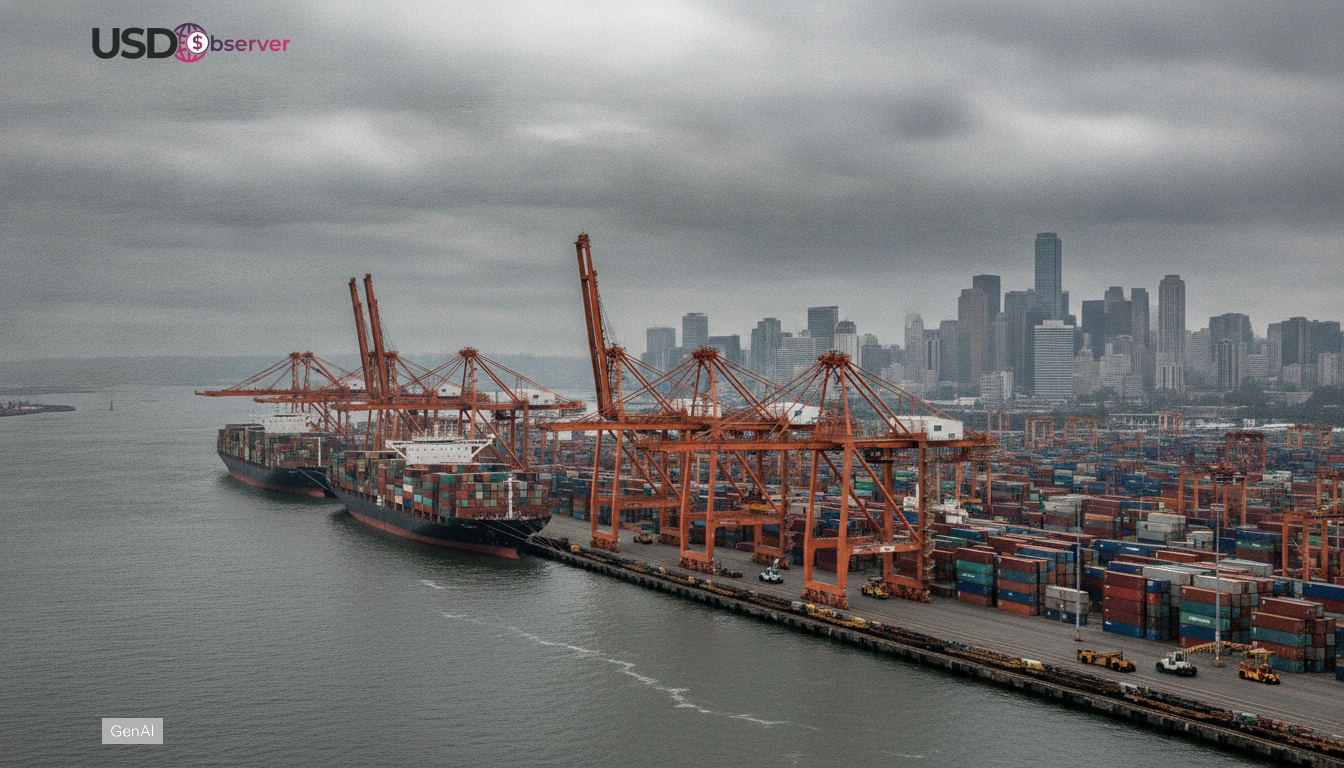
In 2026, tariff-related changes are increasingly evident in contracts, customs paperwork, and delivery timing for firms moving goods between Canada and the United States. According to available reports, many companies are updating landed-cost models, revising commodity classifications, and renegotiating payment terms as duties are applied at the border. Even when headline tariff rates seem modest, the practical effect may be larger because fees, brokerage, and compliance time add friction to routine shipments. Procurement teams are also building contingency supplier lists to reduce exposure to sudden policy changes. For households, the early signal can be smaller discounts or slower restocking of imported items, rather than a single visible line item at checkout.
Supply chains and sourcing effects
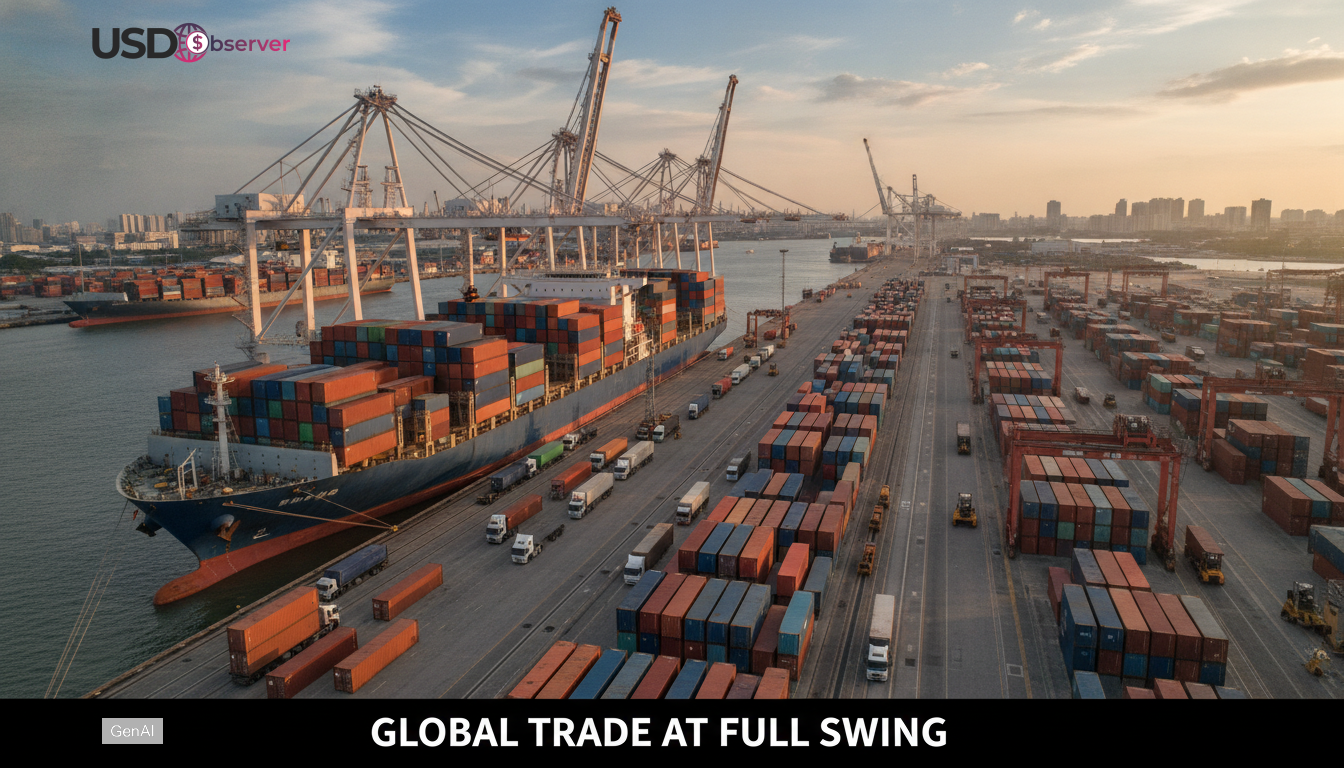
Cross-border supply chains are sensitive to timing and reliability, so tariffs can function like a disruption tax. A part that crosses the border multiple times may face repeated handling and higher financing costs, especially when duties are reportedly paid before the final sale. This dynamic can change sourcing decisions, with some firms shifting certain orders closer to end markets or reducing product complexity. Policy context for the latest escalation is covered in US trade war: Canada and US brace for tariff escalation, which tracks how measures are structured and where exemptions may appear. For another example of how uncertainty can redirect corporate planning, USDT stablecoin lifts Tether to $1.3B quarterly profit illustrates how liquidity themes can rise when traditional trade flows face more friction.
Canada: sector exposure and planning
For Canada, the trade tariffs impact may be more concentrated in sectors where intermediate inputs move frequently across the border, including autos, machinery, and energy-linked components. When duties apply to intermediate goods, costs can compound across production stages, making final pricing more sensitive than the posted tariff rate suggests. Provincial exposure can differ, because regions with higher trade intensity may see faster pass-through into freight rates and supplier invoices. Canadian finance teams often respond with tighter cash-flow controls and more frequent forecasting updates. A related cost channel is fuel and trucking, and US Diesel Prices Hit Records, Testing Freight Costs highlights how transport costs can magnify border-related expenses for firms shipping finished goods and inputs.
US businesses: cash flow and investment signals
In the United States, the trade tariffs impact can manifest as a working-capital challenge for some importers. Duties are reportedly paid at import, while revenue tends to arrive later, which could raise short-term borrowing needs for certain businesses. Industries with tight inventory cycles may be especially exposed because even small delays can trigger expedited freight and overtime, pushing up unit costs. Some firms may substitute domestic suppliers, but switching can take months due to tooling, certifications, and long-term contracts. Investment decisions may also be affected: if tariffs persist, companies might commit to new suppliers and equipment that are costly to reverse. Macro conditions matter too, and Fed policy: Trump presses for rate cuts as bets rise shows how financing expectations can interact with tariff-driven cost pressure.
Consumer prices and the 2026 outlook
Consumers may feel tariff effects through higher shelf prices, fewer promotions, and reduced variety, depending on competition and how much cost firms can absorb. Retailers may stagger price increases, shift product mixes, or apply targeted surcharges in categories with thin margins. Energy-sensitive shipping can accelerate the pass-through: the BBC report Petrol prices rise by 5p over a week as Iran war sends oil higher shows how fuel moves can quickly affect transport and distribution costs. Looking through 2026, the key variables are the duration of tariff measures, the trade tariffs impact on contract renewals, the scope of exemptions or quotas, and whether staged rollbacks reduce uncertainty for contracts and investment plans on both sides of the border.