Global trade activity in 2025 looked stronger on the surface than underlying growth trends suggested. Shipping volumes, export data, and customs activity showed bursts of momentum that initially appeared to signal recovery. A closer look revealed a different story. Much of this activity came from front loading and trade rerouting rather than organic demand expansion.
This distinction is critical for understanding currency movements. Front loading does not create lasting growth, but it does create temporary demand for currencies. As companies adjusted supply chains and accelerated shipments to manage policy uncertainty and logistics risk, FX markets responded even though the real economy was not accelerating in parallel.
Trade rerouting became a flow story rather than a growth story. That difference shaped how currencies behaved across regions.
Why Trade Rerouting Accelerated in 2025
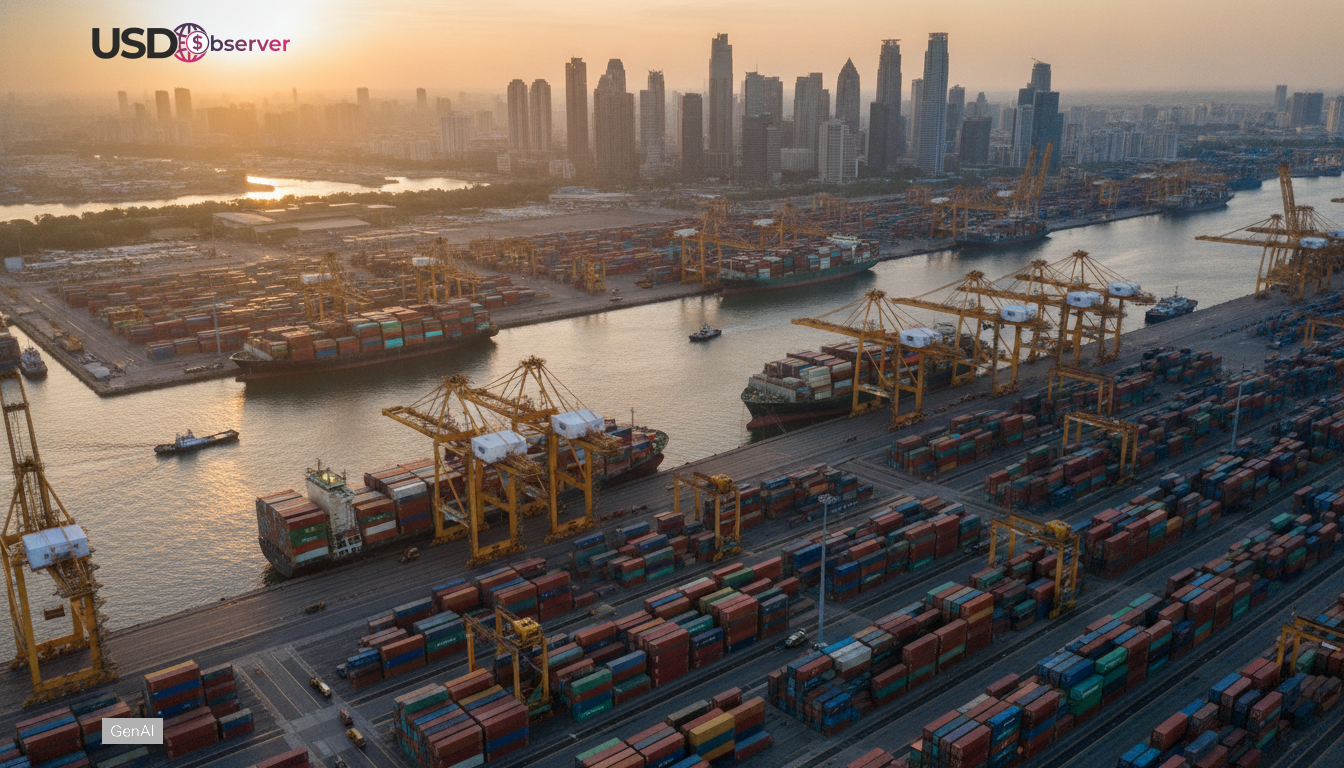
Trade rerouting intensified as firms responded to geopolitical risk, tariff uncertainty, and supply chain resilience goals. Rather than relying on a single production hub, companies diversified sourcing and distribution. Goods moved through alternative routes and jurisdictions, increasing cross border transactions without increasing final demand.
This process created short term spikes in trade activity. Exports surged ahead of potential policy changes. Imports were pulled forward to avoid future disruptions. These moves inflated trade data temporarily, giving the impression of stronger momentum.
From a macro perspective, this behavior was defensive. It reflected risk management rather than expansion. Once inventories were built and routes adjusted, the pace of trade normalized. Growth did not accelerate, but currency flows had already reacted.
How Front Loading Moves FX Markets
Front loading affects FX through transaction demand. When firms accelerate imports or exports, they need currency conversion regardless of underlying growth. This can support local currencies in export hubs or pressure currencies where import demand surges.
In 2025, these effects were visible in regions that became alternative trade nodes. Currencies in these economies often strengthened temporarily as trade volumes rose. The moves were not driven by yield or productivity, but by settlement flows tied to rerouted trade.
These FX impacts were typically short lived. Once front loading peaked, flows eased. However, during the active phase, they influenced spot rates, forward pricing, and hedging demand. Traders who mistook these moves for structural growth signals often found momentum fading quickly.
China Trade Context and Spillover Effects
China remained central to the trade rerouting story even as its role evolved. Rather than collapsing, Chinese trade activity adjusted. Some exports were redirected through neighboring economies, while imports shifted timing and composition.
This adjustment produced ripple effects across Asia and beyond. Countries integrated into alternative supply chains saw increased trade throughput. Their currencies benefited from higher transaction volumes even if domestic demand did not materially change.
These spillovers illustrate why FX markets must distinguish between trade volume and trade value. Rerouted goods still require currency exchange, but they do not necessarily generate sustained income growth. The currency impact can therefore diverge from the economic reality.
Why Markets Reprice but Do Not Revalue
The key takeaway from trade rerouting is that markets reprice, not revalue. FX responds to flows, not just fundamentals. When trade patterns shift, even temporarily, currencies adjust to reflect settlement demand and hedging needs.
Revaluation requires lasting changes in competitiveness, productivity, or policy credibility. Front loading provides none of these. It shifts timing, not trajectory. As a result, FX moves driven by rerouting tend to lack follow through unless reinforced by other macro forces.
In 2025, this dynamic produced choppy but contained currency behavior. Gains tied to trade rerouting were often capped. Losses reversed once flows normalized. Volatility rose around trade data releases, but trends remained shallow.
What Trade Rerouting Means for 2026 FX Outlook
Looking ahead, trade rerouting will likely persist but at a slower pace. Most firms have already adjusted primary supply chains. Incremental changes may continue, but the large front loading waves of 2025 are unlikely to repeat at the same scale.
For FX markets, this suggests fewer flow driven distortions. Currency pricing may return to being dominated by rates, growth differentials, and policy signals. However, traders should remain alert to episodic trade shocks tied to political or regulatory developments.
Monitoring inventory levels, shipping indicators, and customs timing can help distinguish genuine growth from tactical trade behavior. This distinction will remain essential for accurate FX interpretation.
Conclusion
Trade rerouting in 2025 boosted activity without creating real growth. Front loading moved currencies through transaction demand, not economic strength. As markets move forward, understanding the difference between flow driven repricing and fundamental revaluation remains critical for navigating global FX and macro trends.