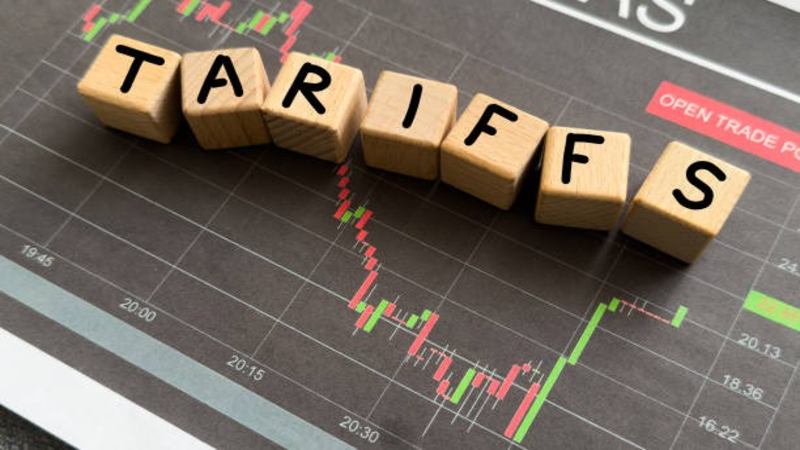
Trade friction rarely shocks markets the way financial crises or recessions do. Tariff announcements, retaliatory measures, and policy threats often arrive gradually, wrapped in negotiations and political signaling. Yet as 2026 unfolds, it is becoming clear that trade friction’s real impact is not found in headline growth numbers but in how it destabilizes expectations across currencies.
The danger lies in second order effects. Markets may initially shrug off tariff noise, assuming exemptions, delays, or partial rollbacks. Over time, however, that noise seeps into pricing behavior, hedging demand, and capital allocation. Foreign exchange markets are particularly sensitive because trade uncertainty alters relative growth outlooks without delivering clear directional signals.
Why tariff noise translates into FX volatility over time
The most important reason trade friction affects FX markets is uncertainty, not tariffs themselves. Currency pricing depends heavily on expectations around growth, inflation, and policy. When trade policy becomes unpredictable, those expectations lose coherence.
Firms delay investment, supply chains become less efficient, and pricing strategies turn defensive. None of this collapses activity outright. Instead, it introduces variability. FX markets respond to variability faster than to levels, repricing currencies as relative outlooks fluctuate.
This is why tariff driven volatility often appears disconnected from actual trade volumes. It reflects uncertainty premiums rather than immediate economic damage.
Supply chain adjustments create uneven currency pressure
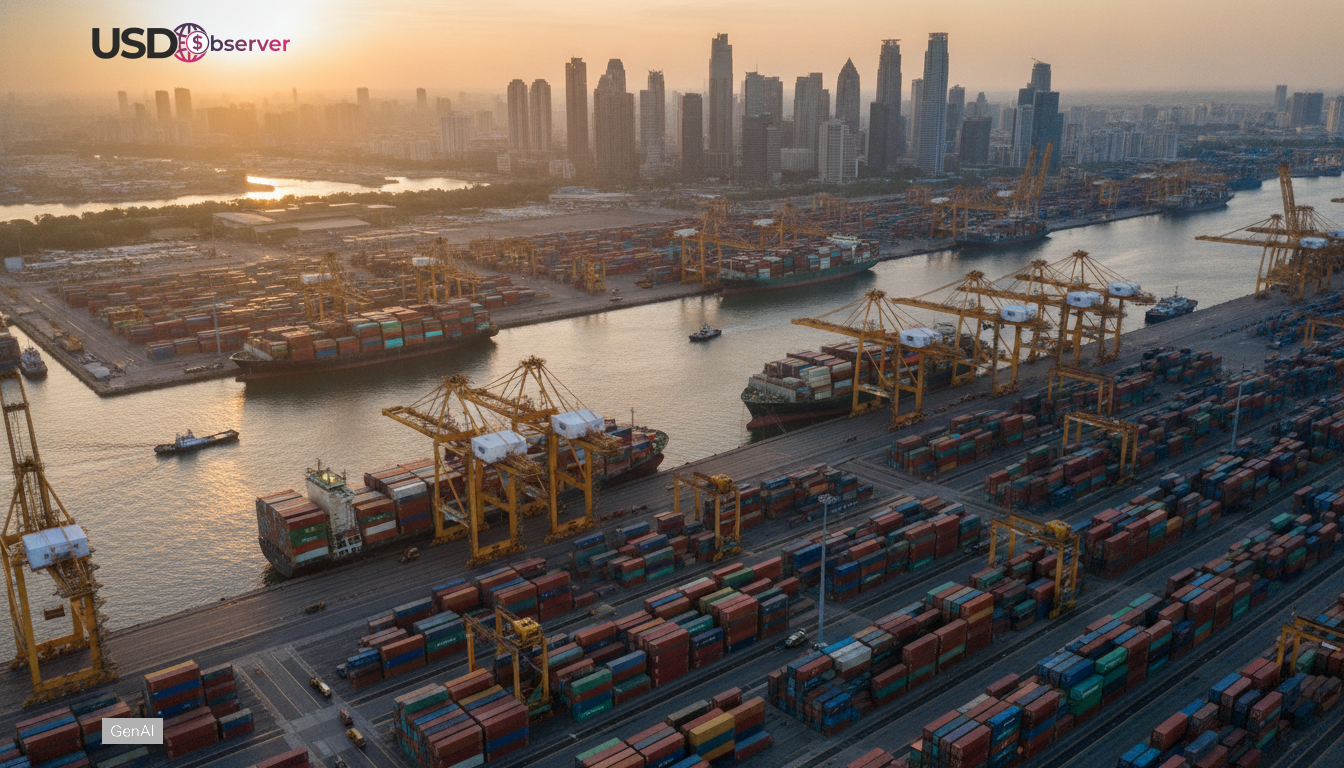
Modern supply chains are global, layered, and slow to reconfigure. When trade friction increases, companies adjust sourcing, inventory, and production incrementally. These adjustments alter trade balances in uneven ways across countries.
Some economies see temporary export gains as supply chains reroute. Others experience higher import costs or reduced competitiveness. FX markets track these relative shifts closely.
The result is currency movement without a clear macro headline. Volatility increases as investors reassess which economies benefit or lose from incremental changes rather than from sweeping trade barriers.
Inflation uncertainty complicates rate expectations
Tariffs blur the inflation outlook. They can raise input costs while simultaneously weakening demand. This creates a policy dilemma for central banks and a pricing challenge for FX markets.
When inflation risks rise but growth confidence falls, interest rate expectations become unstable. Markets struggle to determine whether policy will prioritize price stability or economic support. That uncertainty feeds directly into currency volatility.
Currencies move not because rates change, but because the reaction function becomes harder to predict. Even small policy signals carry outsized FX impact in this environment.
Hedging activity amplifies currency moves
As trade uncertainty persists, companies and investors increase hedging activity. Importers hedge currency exposure to protect margins. Exporters hedge revenue streams against sudden policy shifts. Portfolio managers adjust currency risk to manage geopolitical exposure.
This hedging demand is often one sided and persistent. It does not reverse quickly when sentiment improves. As a result, FX markets experience sustained pressure rather than sharp reversals.
Hedging flows also concentrate in forward and swap markets, influencing spot pricing indirectly. This makes currency moves appear disconnected from immediate news, adding to volatility.
Capital flows respond to policy credibility
Trade friction affects perceptions of policy credibility. Countries seen as stable, predictable, and rule based tend to attract capital during periods of uncertainty. Those associated with volatile trade policy face higher risk premiums.
Capital flows shift accordingly. Even modest reallocations can move currencies when liquidity is thin. These flows often persist beyond the news cycle because credibility takes time to rebuild.
In 2026, this dynamic reinforces currency divergence. FX volatility increases not because trade volumes collapse, but because confidence redistributes unevenly.
Why markets underestimate second order effects
Markets often discount trade noise because past episodes ended without severe damage. This creates complacency. Investors focus on negotiated outcomes rather than the path taken to reach them.
However, the path matters. Prolonged uncertainty erodes efficiency, raises costs, and distorts planning. These effects accumulate quietly. By the time they show up in macro data, currencies have already adjusted.
Second order effects are hard to model, which makes them easy to overlook. Yet they are precisely what drive FX volatility in extended trade disputes.
Implications for global financial stability
Rising FX volatility has broader consequences. It tightens financial conditions for emerging markets, complicates debt servicing, and raises hedging costs. These pressures feed back into global growth.
Even advanced economies feel the impact through higher funding costs and reduced risk appetite. Currency volatility becomes a channel through which trade friction affects financial stability without triggering a crisis.
This is why trade policy matters even when growth appears resilient. The costs are dispersed, indirect, and persistent.
Conclusion
Trade friction’s most powerful impact is not the tariff itself, but the uncertainty it creates. In 2026, that uncertainty is translating into FX volatility through supply chain adjustments, inflation ambiguity, hedging demand, and shifting capital flows. Markets may ignore tariff noise at first, but currencies eventually reflect the cost of unpredictability. Understanding these second order effects is essential for navigating a world where trade policy remains a moving target.