Trade deficits: what they signal for markets
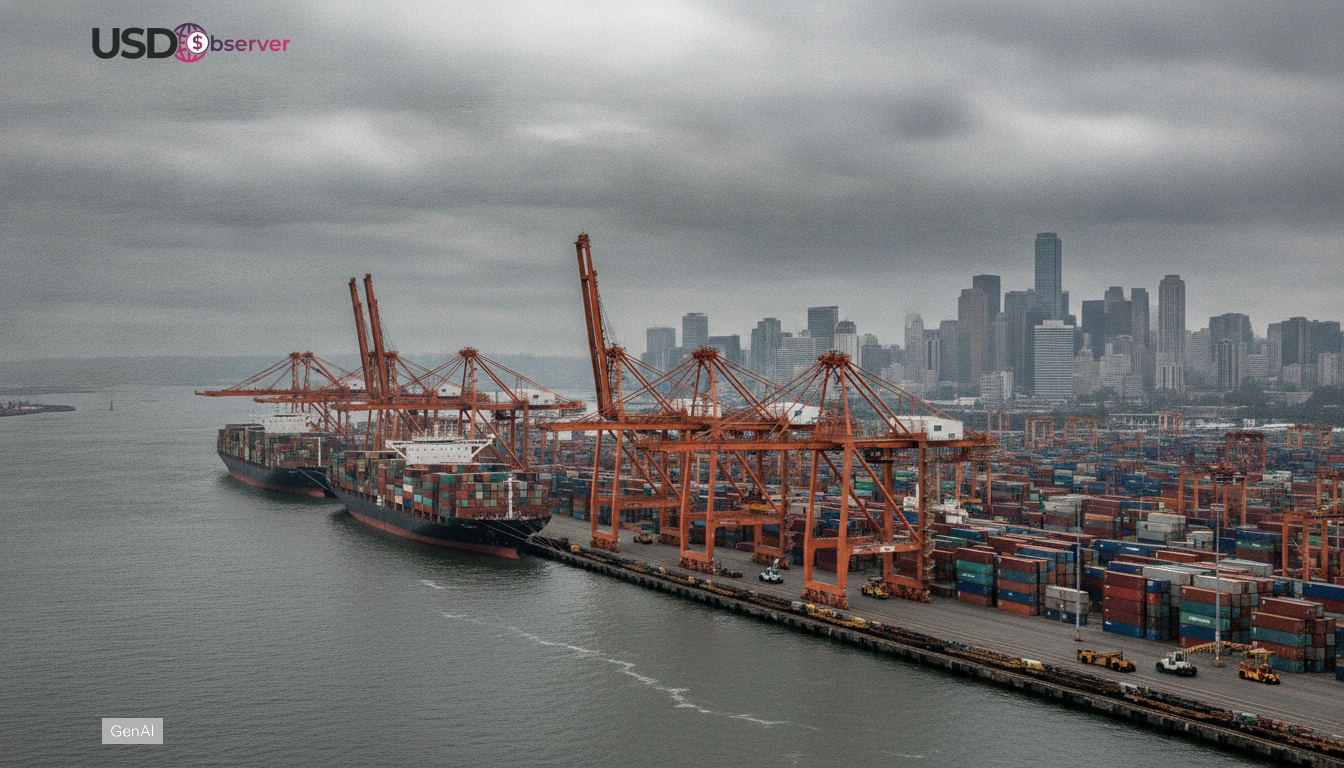
Trade deficits are back at the center of macro trading because they tie policy headlines to a measurable external financing need. When the gap widens, investors focus on how it is funded, the sensitivity of capital inflows, and the knock-on effects for FX hedging and trade finance. The IMF and other multilaterals typically frame these imbalances through current account sustainability and cross-border funding conditions, as reflected in their regular external sector and surveillance work. In 2024, renewed tariff talk and supply chain reordering appeared to make the trade deficit narrative more market moving, especially for import-dependent economies. Market participants have said that customs policy headlines can translate quickly into currency positioning, with some companies choosing to hedge earlier, raise hedge ratios, or extend tenor to reduce margin risk.
How policy shifts widen or narrow the gap
Governments are reworking tariffs, reshoring incentives, and procurement rules across major corridors, but outcomes depend on elasticity and rerouting. A tariff can reduce direct imports from one country while raising purchases from third countries, which can leave the aggregate trade deficit relatively sticky. Court challenges and deadline-driven negotiations can also change ordering behavior, potentially pulling imports forward into specific months and distorting near-term prints. In practice, many market watchers focus less on a single release than on whether policy is likely to change overall import volumes or mainly change origin labels. For a market primer on positioning effects, USD Strength Shapes Trading in Global Forex Today outlines how crowded trades can amplify moves, especially around major data weeks.
Why the U.S. dollar reacts to trade deficit headlines
Dollar pricing can become more sensitive to the composition of the U.S. import bill, such as energy, capital goods, and consumer staples, and to how the gap is financed in risk-off periods. When trade deficits dominate the macro narrative, rate expectations and risk sentiment can compete, which may produce choppier intraday ranges for major pairs. Liquidity mechanics can matter at the margin too, particularly when settlement access and payment rails are under review. For example, Trump Orders Review of Fintech Access to Fed Rails highlights how plumbing and access can shape perceptions of dollar liquidity during volatility. Traders often separate the headline number from questions around financing concentration and maturity profile.
Corporate hedging and pricing responses
Firms are reacting with faster procurement cycles, tighter inventory discipline, and more active treasury programs, according to anecdotal commentary from corporate treasurers and banks. In 2024 and 2025 planning cycles, some importers have reportedly widened hedge bands and used options around key policy or tariff dates to limit downside while keeping upside flexibility, especially where invoice currency cannot be changed quickly. In sectors like autos, industrial metals, and consumer electronics, FX and customs risk are increasingly managed together, with scenario analysis tied to specific policy triggers and shipping lead times, according to industry practitioners. Compliance friction can also alter settlement choices. BBC reports, such as Wise under investigation over money laundering control concerns, highlight how control scrutiny can affect payment workflows, and for Canada-related sensitivities, Canadian Dollar Outlook in 2025: Key Drivers Ahead links policy and commodity channels that can influence hedge ratios.
Long-term implications if deficits stay structural
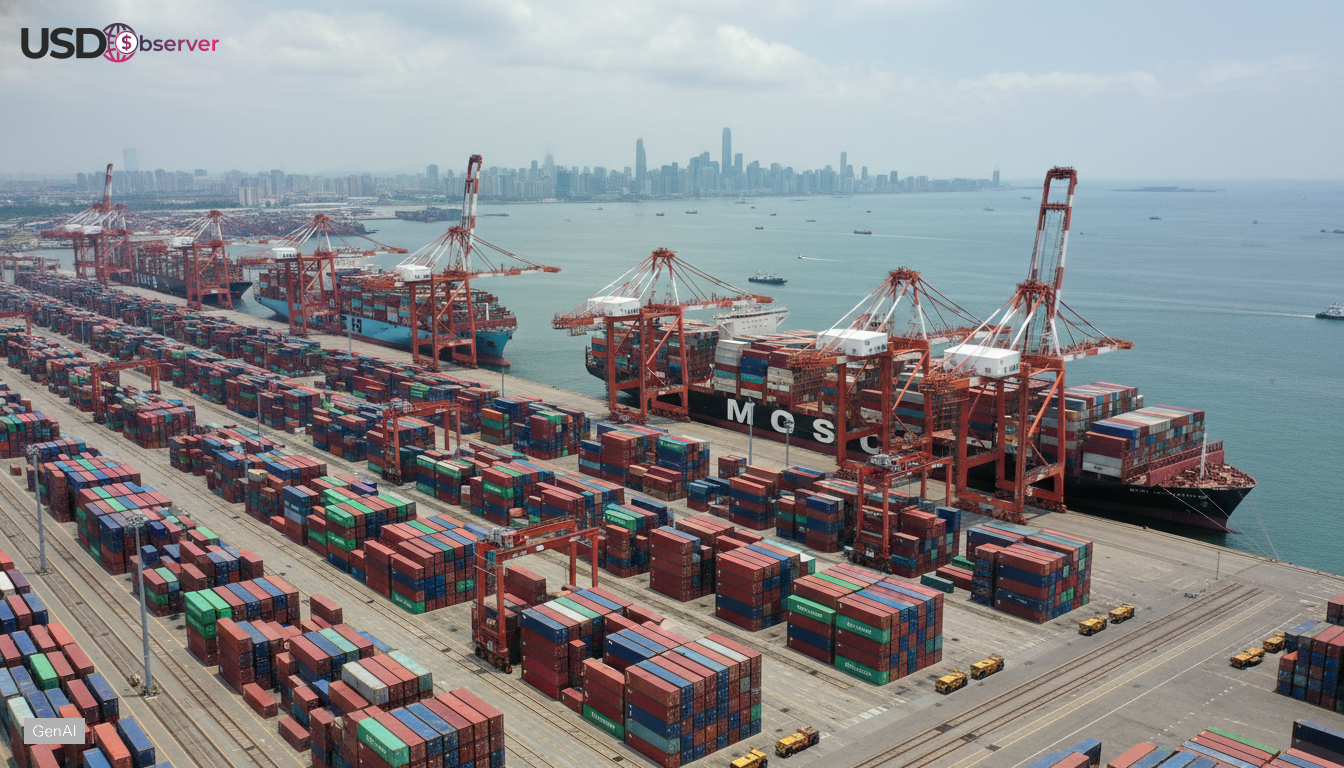
If supply chains remain fragmented, one lasting risk is reduced efficiency that can keep import prices elevated even after shocks fade. WTO research has warned that persistent fragmentation can lower global output over time by reducing trade-driven productivity gains, which can raise pressure for industrial policy and targeted subsidies that complicate cross-border pricing. For FX markets, the long-run signal is whether trade deficits remain structurally wide alongside higher term premia and tighter financial conditions. That mix can keep forward points volatile and reinforce the tendency for companies to diversify production and invoice currency. Over time, these choices can shift liquidity by region, change hedging demand, and alter how quickly policy news transmits into spot and options markets.
Editorial Insight: Impacts on Corporate Strategy
According to available reports from “When trade soured, this American liquor maker moved to Canada,” changing trade dynamics indicate that companies might increasingly move operations to mitigate tariff impacts. This implies that corporate strategy will require regular reassessment of production locations and supply chain configurations to manage costs and remain competitive.