At first glance, global growth data in early 2026 appears unremarkable. Expansion is steady but unspectacular, and headline GDP figures suggest an economy that is slowing toward a more sustainable pace. Many market participants interpret this as evidence that overheating risks have faded.
That reading is incomplete. While headline growth looks moderate, underlying economic activity is running closer to capacity than surface level numbers imply. Constraints in labor, infrastructure, energy, and production mean the global economy is operating with far less slack than historical growth rates would suggest. This gap between headline growth and underlying heat is shaping inflation risks, policy decisions, and market behavior.
Output Gaps Are Smaller Than Markets Assume
The most important reason the global economy is running hotter than it looks is the narrowing of output gaps. In many economies, productive capacity has not expanded in line with pre pandemic trends. Demographics, underinvestment, and structural shifts have reduced potential growth.
As a result, even modest headline growth can place pressure on available capacity. Economies appear to be growing slowly, but relative to what they can sustainably produce, activity is elevated. This creates conditions where inflation pressure and resource strain persist despite unremarkable GDP prints.
Markets that rely on historical growth benchmarks risk underestimating how tight the system has become.
Capacity Has Been Reduced by Structural Change
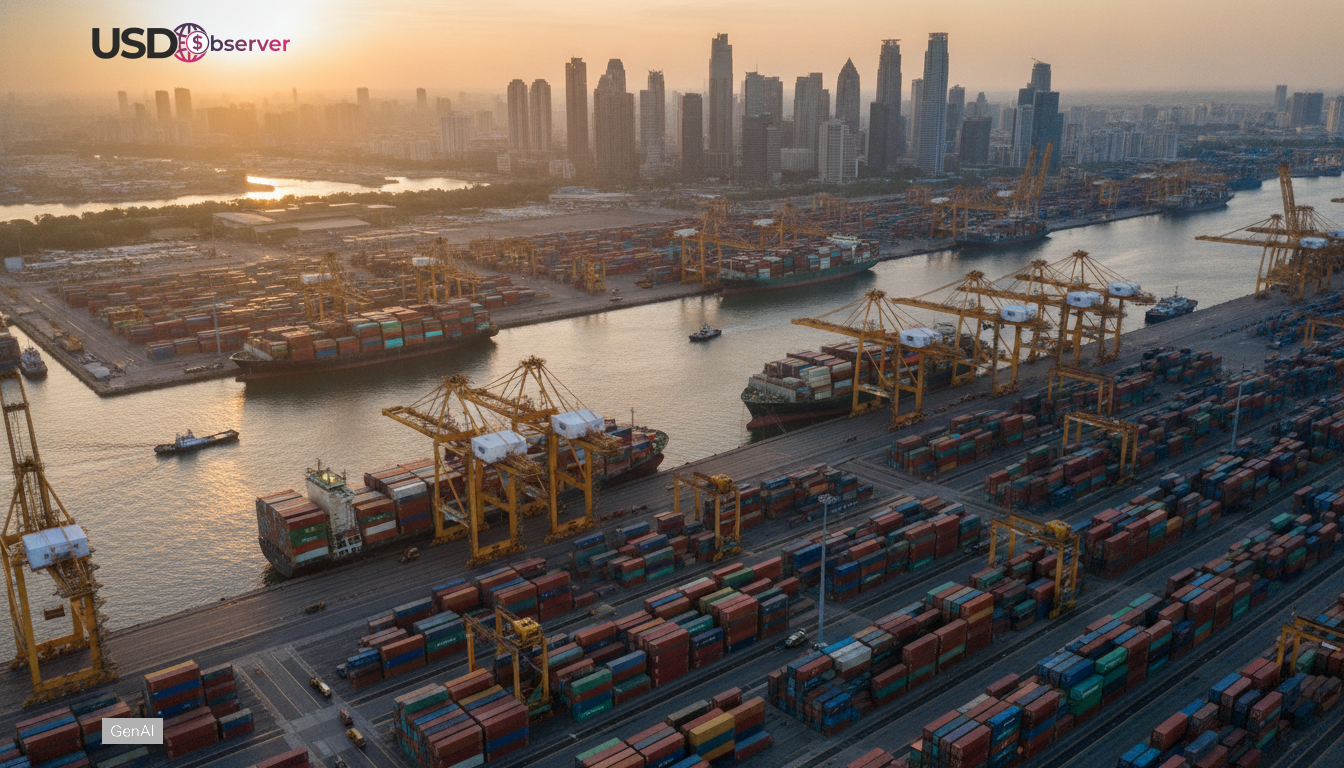
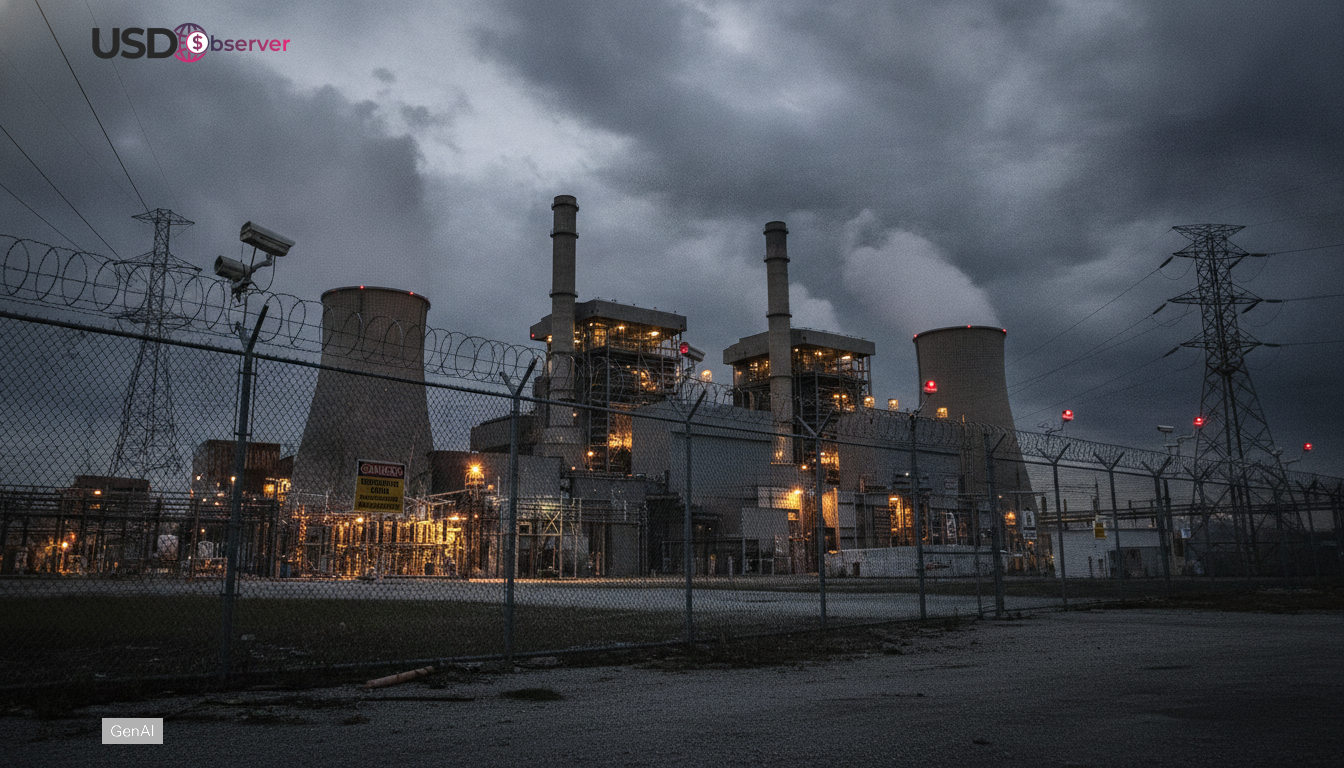
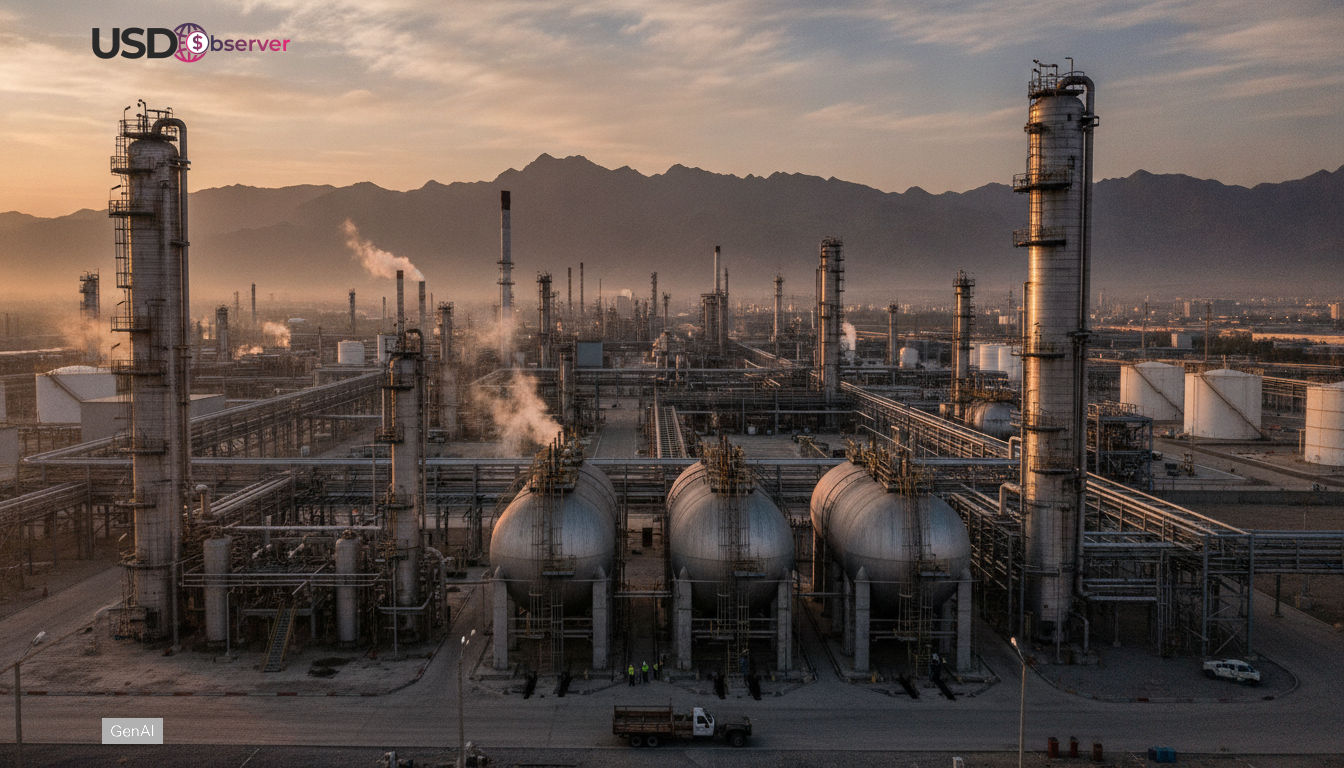
Structural changes over the past several years have reduced effective capacity across multiple sectors. Labor force growth has slowed, skill mismatches have increased, and infrastructure investment has lagged demand in key areas. Energy systems and logistics networks face similar constraints.
These changes mean the economy reaches capacity limits faster than before. Growth that would once have been absorbed comfortably now pushes against bottlenecks. Price pressures emerge not because demand is excessive, but because supply flexibility is limited.
This explains why inflation remains sensitive to relatively small changes in activity. The system is running closer to its limits.
Services Dominance Masks Capacity Pressure
Another factor obscuring economic heat is the dominance of services in growth data. Services tend to grow steadily and show less volatility than goods production. This can make the economy appear stable and balanced.
However, many service sectors are labor intensive and capacity constrained. When labor markets are tight, service activity pushes wages and costs higher even without rapid output growth. Headline growth looks benign, but underlying utilization is high.
This dynamic helps explain why inflation in services remains persistent. The apparent calm in growth masks ongoing pressure beneath the surface.
Investment Has Not Fully Rebuilt Slack
Investment has increased in some strategic areas, but it has not been sufficient to rebuild slack across the economy. Higher financing costs, uncertainty, and long project timelines slow the expansion of productive capacity.
As a result, demand growth runs ahead of supply expansion even at modest rates. This imbalance keeps the economy running hot relative to its capabilities. Growth does not need to accelerate to create stress. It only needs to persist.
Markets that expect investment to quickly resolve capacity issues underestimate how slow that process is.
Why Headline Growth Understates Inflation Risk
The disconnect between headline growth and underlying heat has important implications for inflation. When output gaps are small, inflation can persist even as growth moderates. Traditional signals that link slower growth to easing price pressure become less reliable.
This is why disinflation progress feels uneven. Prices cool in some areas while remaining sticky in others. The economy is not overheating in a classic sense, but it is operating close enough to capacity to sustain pressure.
Understanding this nuance is critical for interpreting both inflation data and policy responses.
Implications for Policy and Markets
For policymakers, an economy running hotter than it appears requires caution. Easing policy too quickly risks reigniting inflation if capacity constraints remain binding. For markets, it means that stable growth does not guarantee benign conditions.
Asset pricing must account for limited slack, not just growth rates. Rates, currencies, and risk premiums respond to utilization and pressure as much as to expansion. The economy can look calm while operating near its limits.
Recognizing this helps explain why financial conditions remain tight and why markets react strongly to small changes in data.
Conclusion
In 2026, the global economy is running hotter than headline growth figures suggest. Reduced capacity, narrow output gaps, and structural constraints mean even modest growth places pressure on resources. Understanding this gap between appearance and reality is essential for assessing inflation risk, policy choices, and market dynamics in the current cycle.