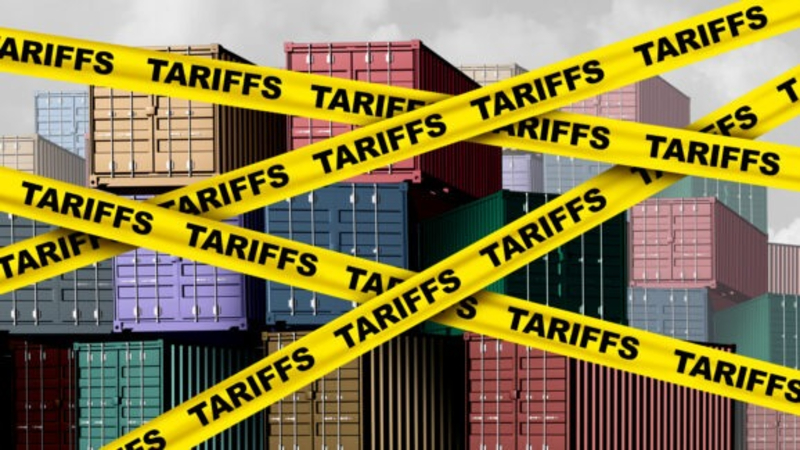
Tariffs are often treated as a one time political event, but their economic impact unfolds slowly and unevenly. While headline inflation may not react immediately, tariffs work through supply chains in stages, influencing costs, pricing behavior, and expectations over time. This delayed transmission creates a gap between policy action and macro response that markets frequently underestimate.
As 2026 begins, this lagged effect is becoming increasingly relevant. Markets have grown confident that inflation is on a sustainable downward path and that monetary policy easing will follow smoothly. However, tariffs already in place or newly implemented could still be moving through the inflation pipeline, raising the risk that price pressures reappear just as policy expectations become more dovish.
How Tariffs Enter the Inflation Pipeline
Tariffs do not raise consumer prices overnight. Their initial impact is absorbed by importers, manufacturers, or distributors, many of whom attempt to protect margins through temporary adjustments rather than immediate price hikes. This buffering delays visible inflation effects, giving the impression that tariffs are economically neutral.
Over time, however, these costs accumulate. Firms eventually pass higher input prices onto consumers, especially when contracts reset or inventories turn over. The result is a staggered inflation response that can emerge quarters after the tariff decision, often when attention has already shifted elsewhere.
Supply Chain Friction and Cost Pass Through
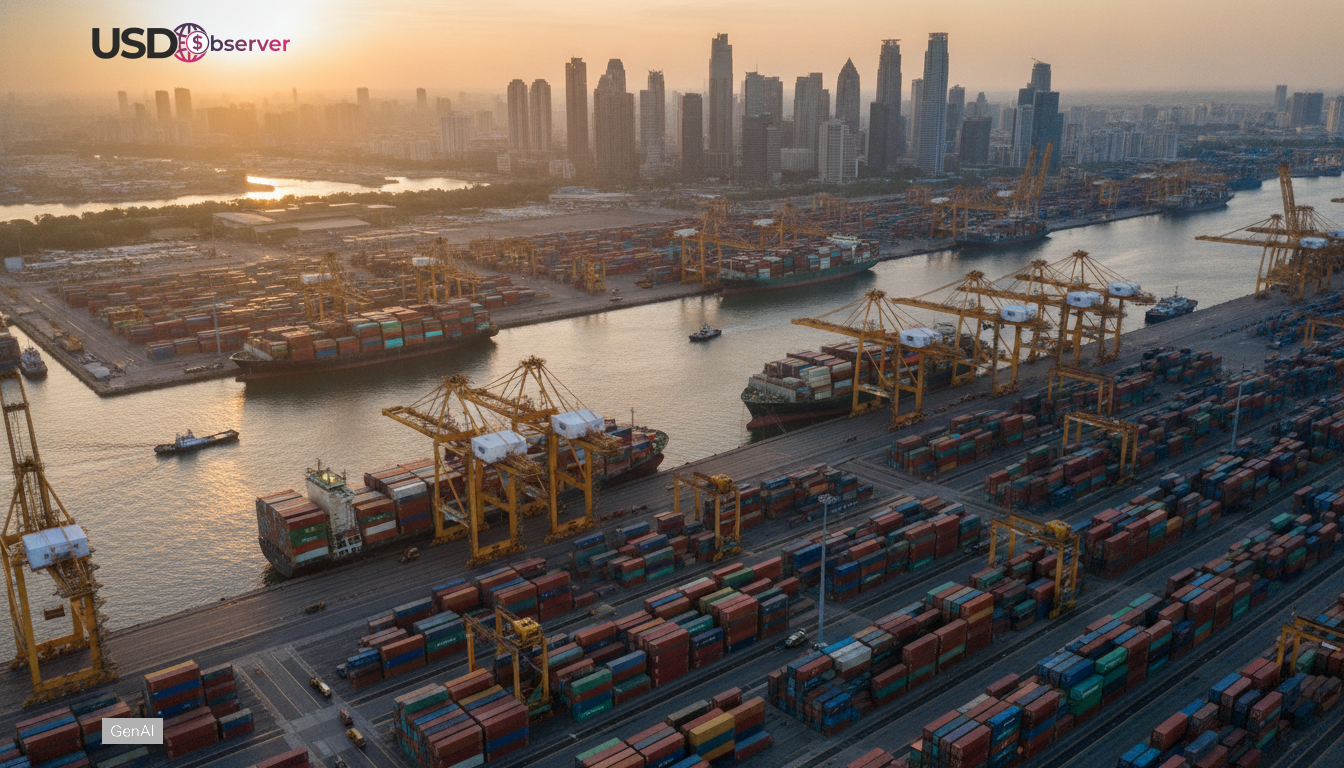
Modern supply chains are complex and globally integrated. A tariff on a single component can ripple across multiple production stages, raising costs incrementally. These increases are often masked by efficiency gains or margin compression in the short term.
Once those buffers are exhausted, price adjustments follow. This process explains why inflation linked to trade policy can appear disconnected from the timing of the original measure. By the time it shows up in consumer prices, markets may no longer associate it with tariffs at all.
Why Services Inflation Is Not Immune
Tariff related inflation is commonly associated with goods, but services are not insulated. Higher goods prices affect transportation, logistics, and operational costs across the economy. Businesses facing rising input costs may raise service prices to preserve profitability.
This indirect channel matters because services inflation tends to be stickier and more persistent. When tariff driven costs spill into services, they complicate the disinflation narrative and reduce the flexibility policymakers have to ease monetary conditions.
The Risk of Misreading Disinflation
One of the key risks in 2026 is that markets mistake delayed tariff effects for permanent disinflation. Early declines in inflation driven by base effects or easing supply constraints can create false confidence. When tariff pass through finally materializes, it may appear as an unexpected reacceleration.
This scenario forces a reassessment of monetary policy expectations. Central banks may hesitate to cut rates as quickly as markets anticipate if inflation stabilizes above target. Even a modest deviation can have outsized effects on asset pricing when expectations are tightly aligned.
Why the Fed Narrative Is Sensitive to Lags
Monetary policy operates on expectations as much as outcomes. If inflation surprises on the upside due to lagged tariff effects, confidence in a smooth easing cycle weakens. Policymakers are likely to emphasize caution, reinforcing a data dependent stance.
Markets respond quickly to such shifts in tone. Rate expectations reprice, bond yields adjust, and currency markets react. The dollar, in particular, can benefit if the policy path appears less accommodative than previously assumed.
Implications for Markets and Policy in 2026
The tariffs to inflation pipeline adds uncertainty to an already complex macro environment. It does not guarantee higher inflation, but it increases the range of outcomes. For policymakers, this means balancing forward looking risks against backward looking data.
For investors and analysts, the key lesson is timing. Inflation dynamics are not always synchronized with policy actions. Understanding where the economy sits in the tariff pass through cycle can provide an edge in anticipating shifts in the policy narrative.
Conclusion
Tariffs influence inflation with a delay that markets often overlook. As these effects move through the economy in 2026, they have the potential to challenge assumptions about rapid disinflation and easy monetary policy. Recognizing the lag in the tariffs to inflation pipeline is essential for interpreting data, managing risk, and understanding how the policy narrative may evolve.