Drivers of USD Strength
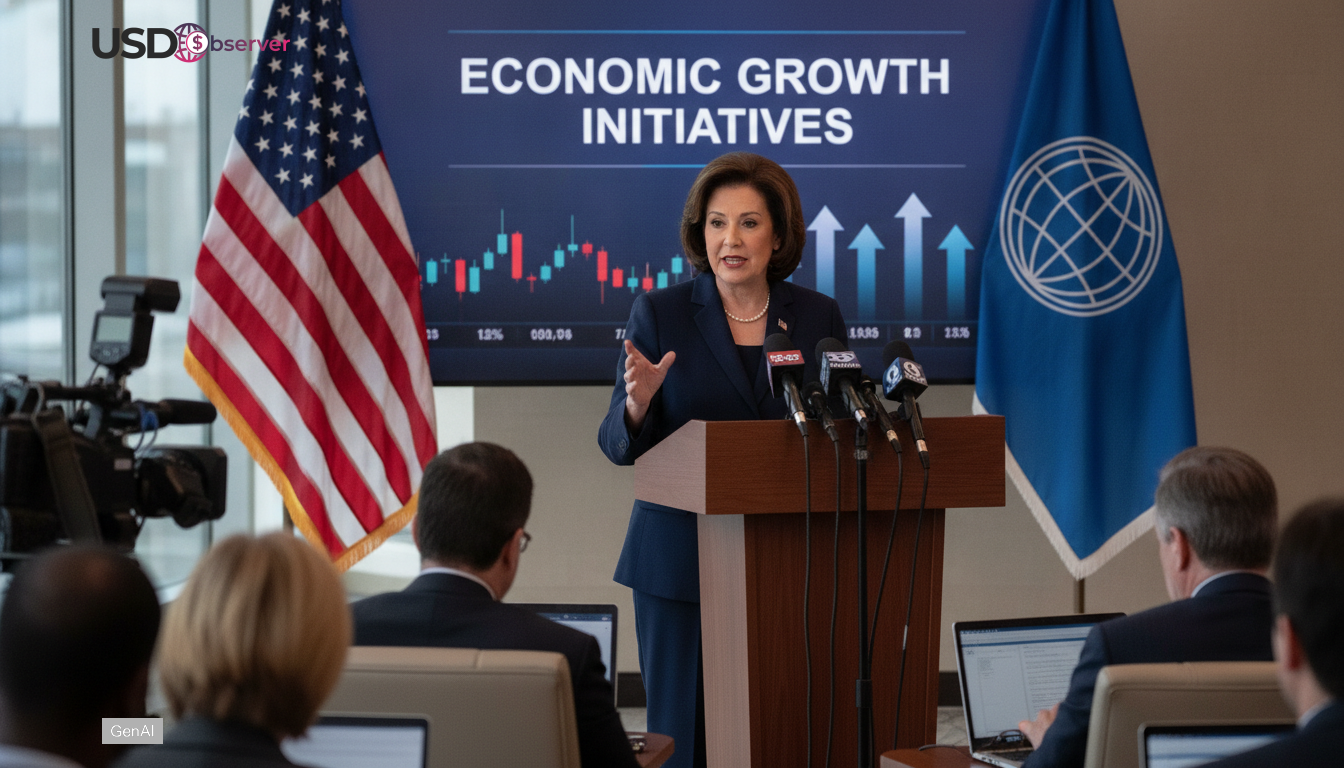
Markets are responding predictably, as US yields hold firm and investors prioritize safe assets. Currently, the strength of the USD is bolstered by the expectation that US interest rates will remain tight for an extended period, a narrative that’s been consistently reiterated by Federal Reserve commentators. Currency desks are closely monitoring energy prices and credit spreads, both of which serve as immediate indicators of economic stress that can further elevate the dollar. This demand is reflected in live pricing across major currency pairs, although some exporters are experiencing more challenging rates when converting revenues back home. Overall trends are evident, but the implications vary widely among different regions and sectors.
Effect on Global Trade Dynamics
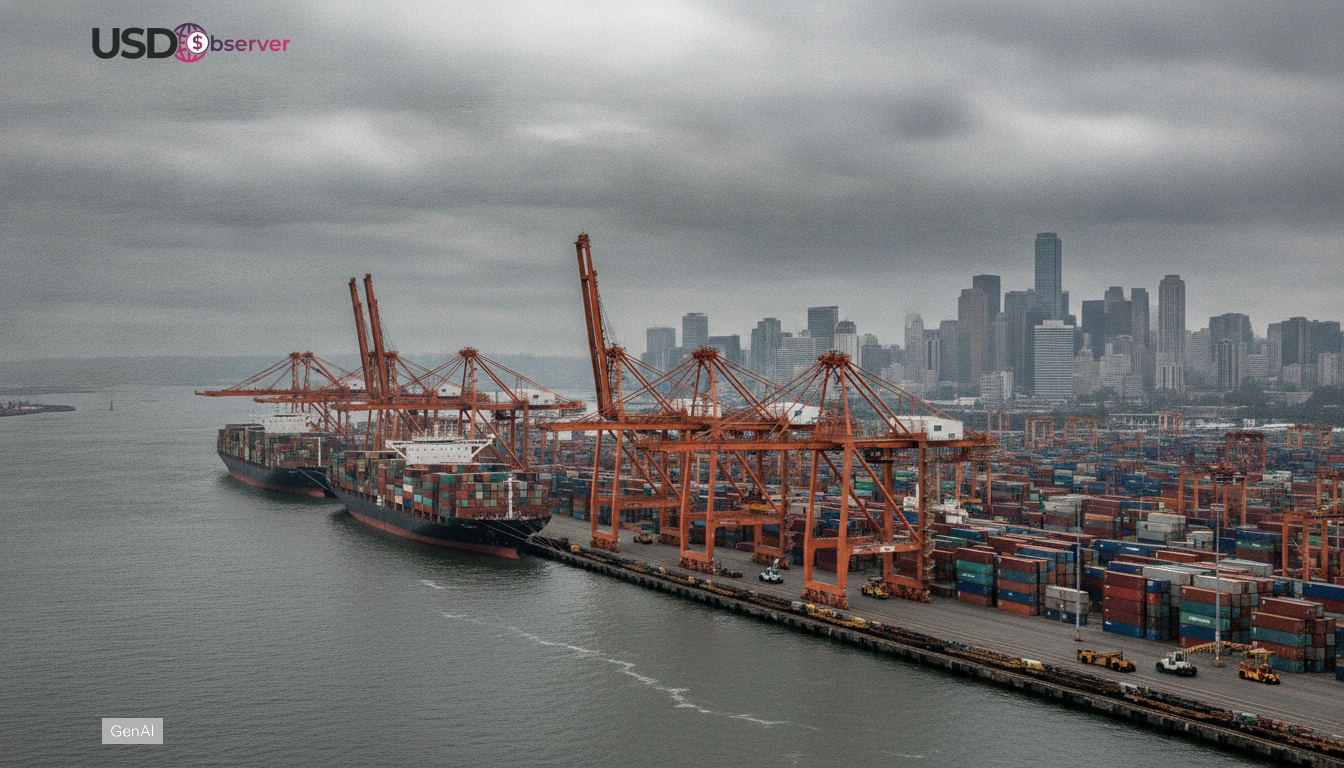
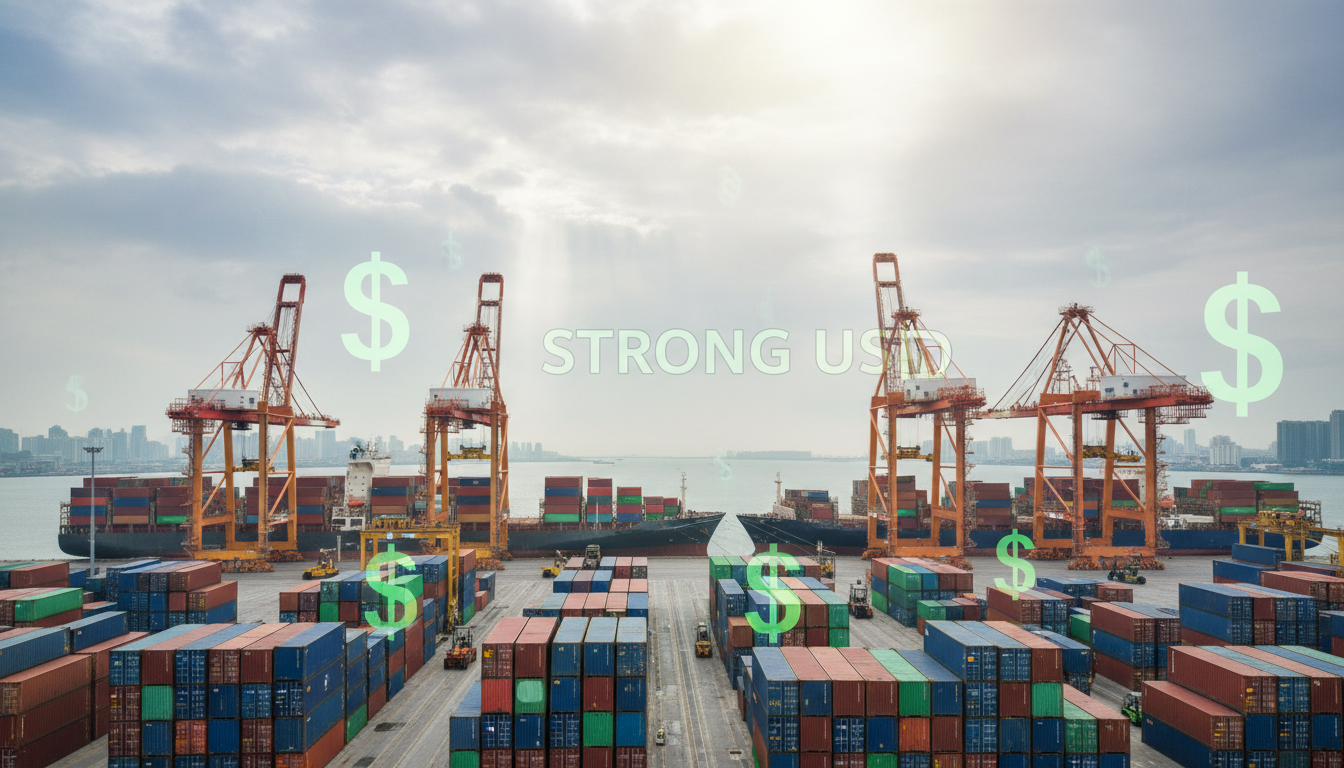
The immediate consequence for global trade is that dollar-denominated invoicing becomes a heavier burden for many importers, even with steady commodity prices. A recent BBC report highlighted rising concerns in oil and bond markets, linked to stalled peace negotiations between the US and Iran. Today, as manufacturers and freight buyers renegotiate contracts, the strong dollar inflates local currency costs for both fuel and essential goods. This situation prompts companies to seek shorter payment terms and more frequent hedging, which can intensify daily market fluctuations. Updates from procurement and shipping sectors increasingly emphasize the importance of currency clauses.
Identifying Winners and Losers in a Strong Dollar Scenario
Households traveling to countries with weaker currencies and US firms importing components stand to gain from the strong dollar, while exporters face substantial margin compression as overseas revenues are converted back. In the world of cryptocurrencies, traders often juxtapose solana price usd to gauge risk assets against US dollar yields, which can siphon liquidity away from smaller tokens. Another consideration is the stablecoin framework employed for cross-border transactions, especially as Stablecoins as DeFi Safe Havens Under Market Stress attract scrutiny amid increasing volatility. In this climate, corporate treasurers are reassessing their cash reserves and dollar funding options, particularly as credit costs fluctuate. Market discussions indicate widening spreads for weaker borrowers, creating a self-fulfilling cycle.
Challenges Facing Emerging Markets
Emerging market policymakers are facing tougher choices as rising US interest rates draw capital toward dollar-denominated assets, increasing rollover risks for those with USD liabilities. A live case study is provided by the NBU’s recent measures aimed at stabilizing foreign exchange markets. Central banks that intervene must carefully weigh reserve utilization against inflation management, as a strong US dollar raises the costs of imported food and energy, even amid weak domestic demand. Recent cycles often introduce stricter foreign exchange regulations, elevated local interest rates, and temporary controls on capital, each posing trade-offs for both growth and market accessibility.
Looking Ahead: Prospects for the USD and Global Economy
The upcoming phase will largely depend on whether progress against inflation and a cooling labor market allow the Federal Reserve to signal a gradual easing of policy, or if current restrictive measures continue. The significance of USD strength lies in its ability to undermine US export competitiveness while tightening global financial conditions. Markets typically adjust swiftly to shifts in Fed guidance. Investors are monitoring forthcoming macroeconomic data and the tone of official announcements, with live rate expectations fluctuating according to data surprises. Current trends suggest that projections should focus on relative growth and yield differentials, rather than adhering to singular headlines; this was notably evident following the May 2024 US CPI release, which provoked a rapid recalibration in rate pricing. Multinational companies are now factoring in larger hedging budgets, enhanced stress-testing protocols, and greater scrutiny for overseas expansions funded in dollars.