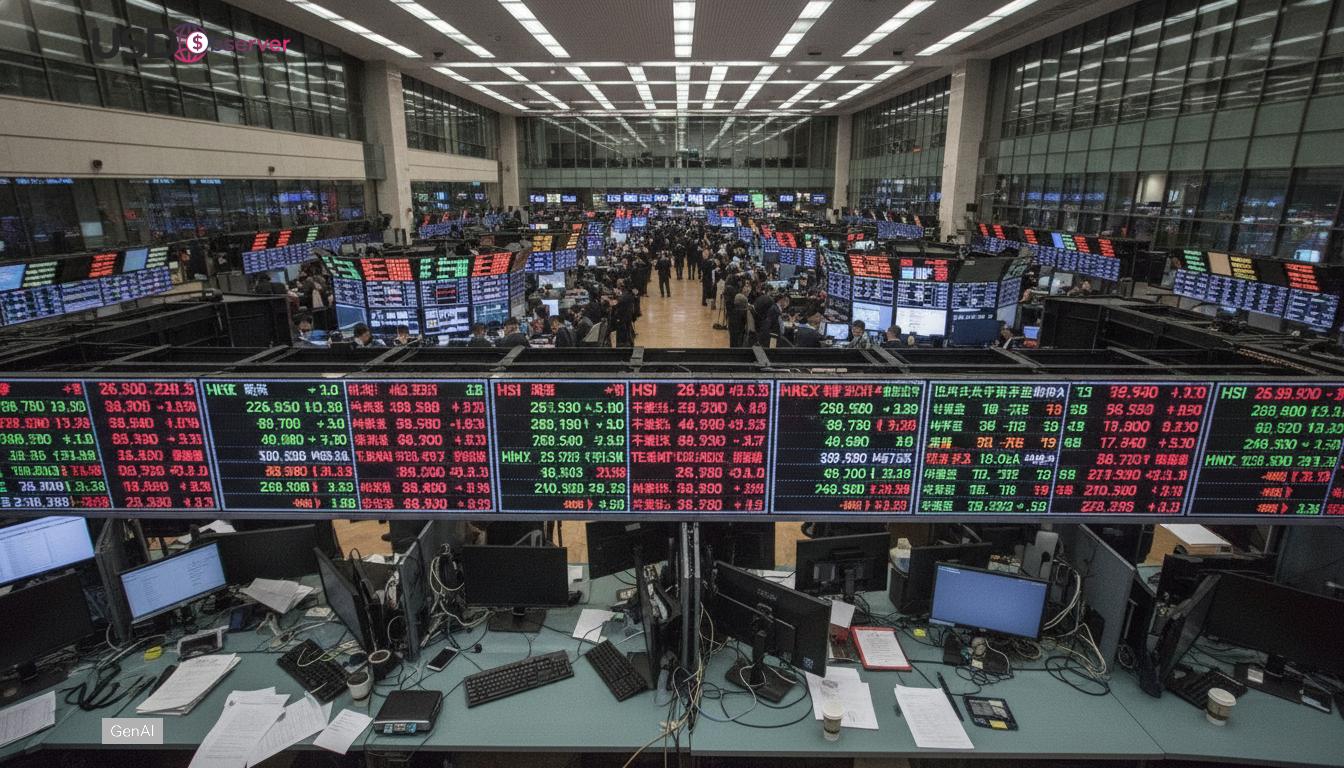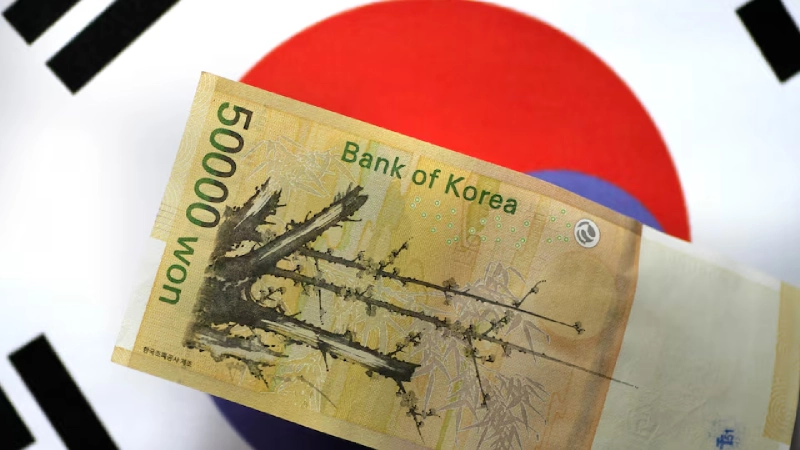
South Korea’s financial markets have come under intense pressure as global investors pull back amid escalating geopolitical tensions, triggering one of the sharpest selloffs since the global financial crisis. Equities have dropped steeply while the national currency has weakened significantly against the U.S. dollar, reflecting a broad shift away from risk assets. The sudden downturn highlights how rapidly global shocks can impact emerging markets, especially those heavily exposed to international capital flows and export driven growth.
The benchmark stock index has fallen close to bear market territory after a sharp decline from recent record highs, with losses accelerating throughout March. At the same time, the South Korean won has weakened past critical levels, reaching lows not seen in years. The decline in both equities and currency values has been driven largely by aggressive foreign selling, as international investors exit positions in response to rising uncertainty, higher energy costs and tightening global financial conditions.
Market data shows that foreign investors have offloaded a record volume of South Korean equities over the past month, marking the largest outflow on record. This wave of selling has not only pressured stock valuations but has also contributed directly to the currency’s depreciation. Analysts suggest that the selloff is largely driven by repositioning, as investors move capital away from previously profitable assets and shift toward safer alternatives amid heightened volatility in global markets.
Technology and semiconductor stocks have been particularly affected, given their strong performance earlier in the year and their significant weighting within the market. Major chipmakers have experienced sharp declines as investors unwind positions in sectors that had previously attracted substantial inflows. Despite the recent downturn, some of these companies remain higher on a year to date basis, reflecting the scale of gains that preceded the current correction.
The broader context of the selloff is closely tied to developments in global energy markets and geopolitical risks. Rising oil prices have increased inflation concerns worldwide, reducing investor appetite for risk and placing additional pressure on economies that rely heavily on imports. For South Korea, which depends on external energy supplies and global trade, these factors have amplified the impact of the market downturn, making it more vulnerable to external shocks.
Analysts note that the speed and scale of the decline reflect both macroeconomic concerns and market positioning dynamics. Investors who had accumulated significant gains earlier in the year are now reducing exposure, leading to a rapid reversal in sentiment. This pattern has been observed across several global markets, but the impact has been particularly pronounced in South Korea due to its strong integration with global supply chains and financial markets.
Looking ahead, the trajectory of South Korean markets will depend on developments in global economic conditions and geopolitical stability. Continued volatility in energy prices and currency markets could sustain pressure on equities, while any easing of tensions may help restore investor confidence. For now, markets remain highly sensitive to external developments, with both stocks and the currency reflecting the broader uncertainty shaping global financial trends.