Port of Rotterdam lawsuit raises pressure to cut emissions
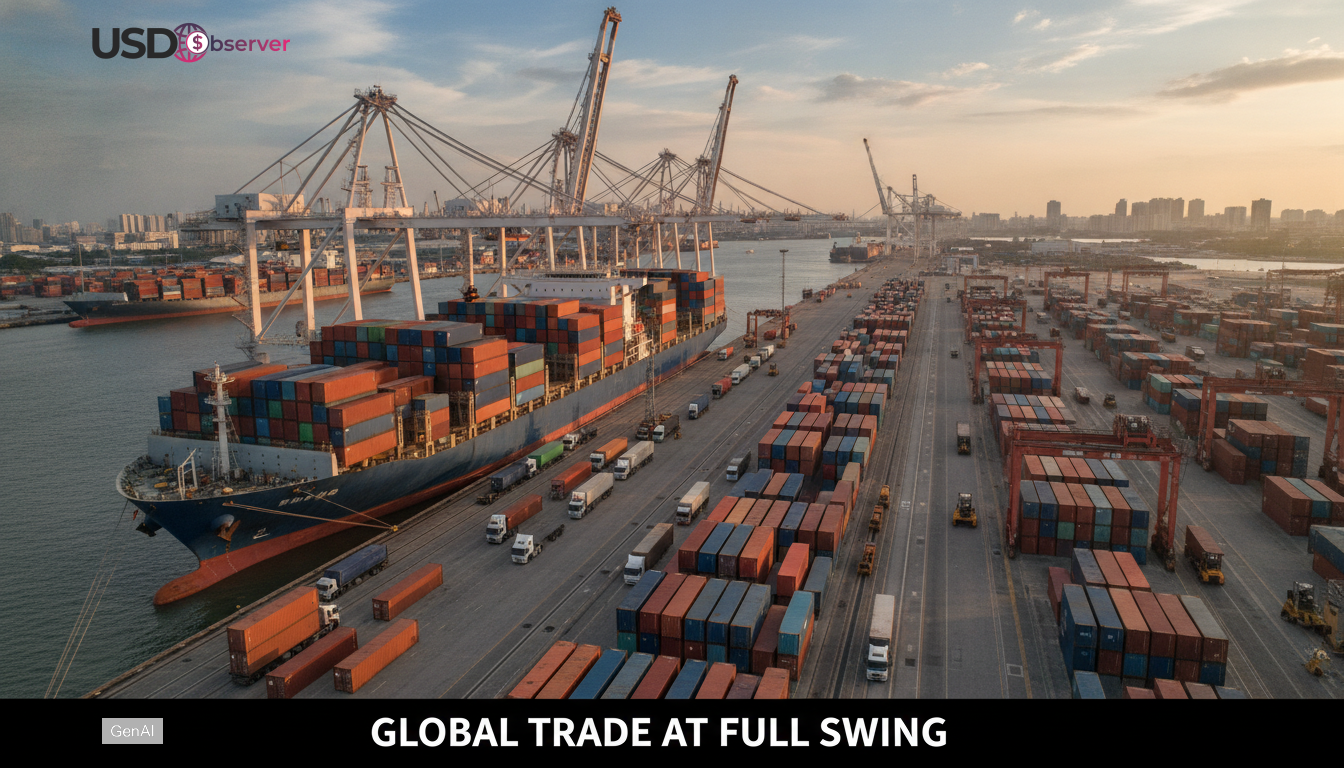
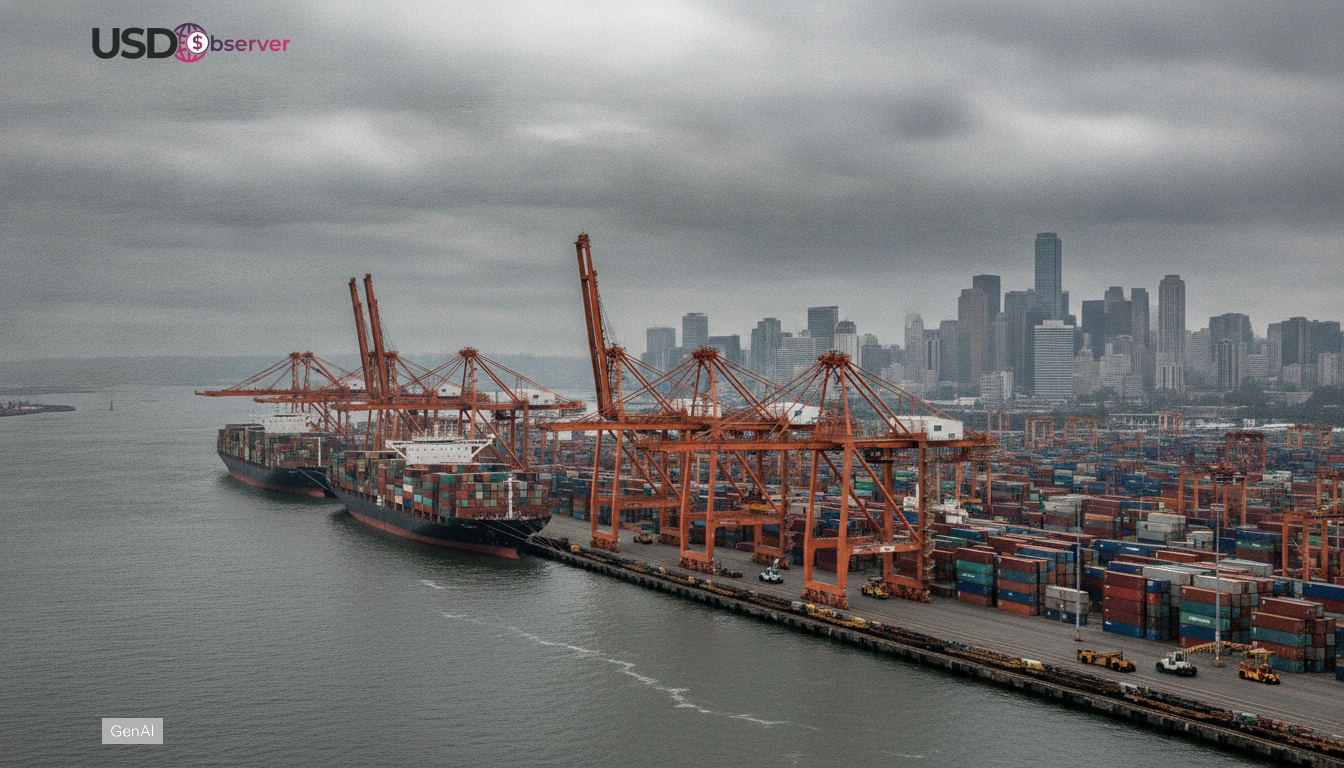
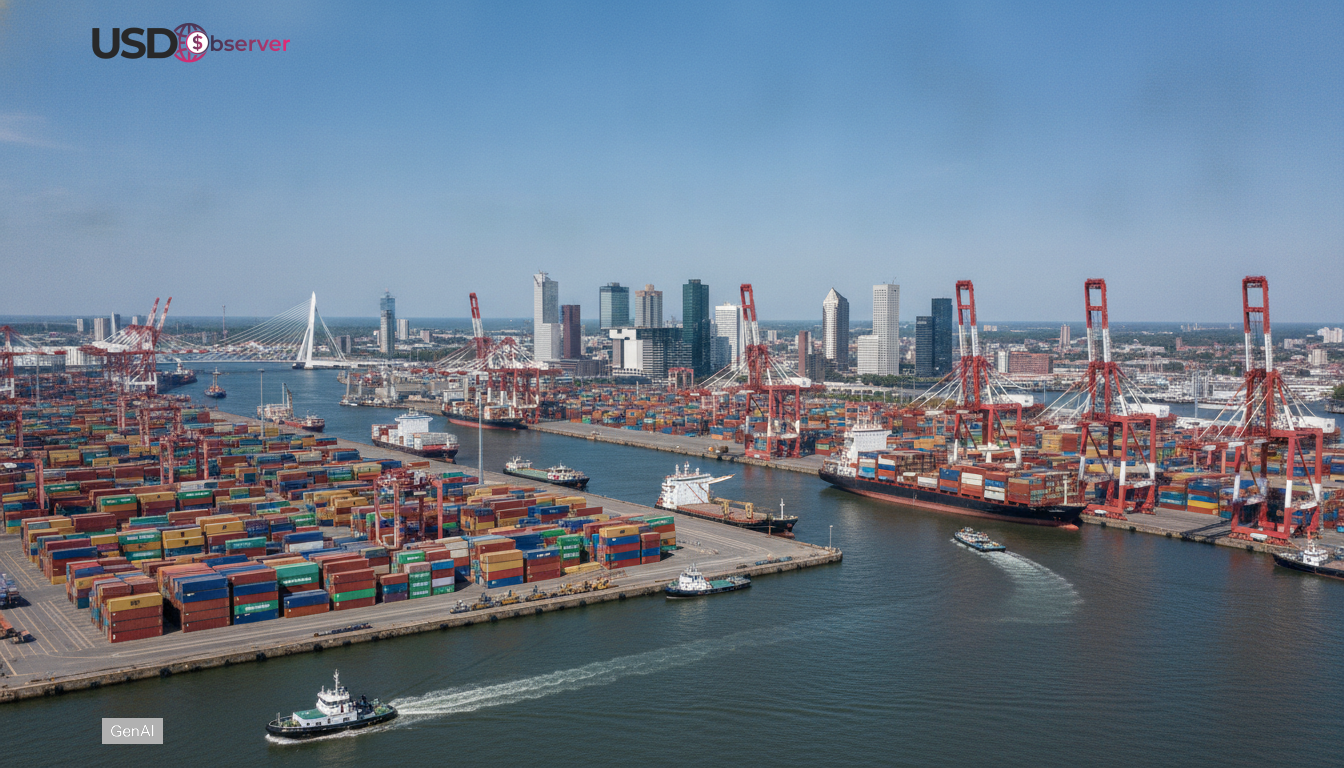
Pressure is building around the Port of Rotterdam as campaigners use the courts to seek faster emissions cuts and tighter limits on new fossil fuel infrastructure. According to available reports, the claim argues the Port of Rotterdam Authority should align permits, leasing and development choices with climate obligations. It has been indicated that a central issue is whether land use decisions could lock in high carbon throughput for decades while EU climate policy tightens. The claimants, as described in reports, frame the dispute around duty of care and foreseeable climate risk to residents and workers. The authority has stated it supports decarbonisation, while also arguing it must protect continuity of trade, energy supply and industrial activity, as indicated by available reports.
- EU initiatives such as Fit for 55 are becoming more involved in public discourse.
- The Port of Rotterdam anchors a large refining and petrochemical cluster.
- Operational emissions and cargo handling are key discussion points.
Environmental footprint and policy context at the port
The port’s operational emissions and the broader footprint tied to cargo handling are often cited in discussions about industrial competitiveness in the Netherlands, according to available reports. For context on how transition costs can feed into consumer energy decisions, https://www.bbc.co.uk/news/articles/cd7w98n2y3eo?at_medium=RSS&at_campaign=rss looks at switching providers and cost pressures. It is reported that the Port of Rotterdam, as hosting a large refining and petrochemical cluster, draws scrutiny of fossil fuel supply chains and transition plans. EU initiatives are increasingly referenced in public and legal arguments about how quickly port land should shift toward lower carbon uses, according to reports.
Stakeholder tensions and investment constraints
Industry tenants, unions and local leaders weigh climate ambition against jobs, security of supply and tax revenue, according to market insights. Companies have stated that investment decisions depend on predictable regulation, while environmental groups argue that predictability should mean a faster green transition timetable at the Port of Rotterdam. Debate inside the port community also touches financing and compliance, including how Brussels expands oversight frameworks in other sectors, as shown in European Commission widens MiCA regulations scope. The authority has emphasised that it cannot unilaterally rewrite national industrial policy, even as court scrutiny could raise expectations for clearer milestones, disclosures and constraints on new high-carbon expansions.
Decarbonisation measures the Port of Rotterdam can control
Port management has highlighted levers it can directly influence, including land allocation, berth incentives and the sequencing of infrastructure upgrades, as available reports suggest. Another is reserving space for hydrogen, CO2 pipelines and electrified industrial heat, while tightening conditions on new tank storage tied to fossil fuels, as discussed in transition debates. Accelerating grid connections and shore power so vessels and terminals can reduce fuel combustion while at berth is another measure referenced in EU shipping discussions. Analysts also point to coordination risks for shipping routes and energy imports when disruptions raise freight costs and complicate capital planning, as described in Hormuz Shipping Decline Deepens After Strikes Disrupt Route.
What comes next for the Port of Rotterdam and global hubs
Reports suggest that the immediate consequence of the lawsuit could be that timelines, disclosure and land use assumptions are tested under judicial scrutiny, potentially pushing clearer milestones for emissions reductions and development choices. Investors tracking transition risk also watch implementation details such as administrative systems and contracting practices that can indicate how fast operations can pivot, according to market commentary. If claimants succeed, it has been noted that the precedent could extend beyond the Netherlands by indicating port authorities may face legal exposure for enabling high-carbon throughput even when emissions occur off site. That could matter for hubs competing for similar cargo flows and refinery margins, depending on how courts interpret responsibility, analysts have said. For now, available reports suggest the Port of Rotterdam dispute is sharpening trade-offs policymakers have tried to manage through phased regulation rather than court-imposed deadlines.