Dollar market stability has traditionally been evaluated through reserve holdings, interest rate policy, and capital flow dynamics. These indicators remain central, but they no longer tell the full story. The infrastructure that supports how dollars move across borders is becoming a quiet but decisive factor in shaping stability across global markets.
This transition is gradual and often overlooked because it does not directly challenge the dollar’s monetary role. Instead, it affects how liquidity stress emerges, how quickly markets adjust, and how efficiently transactions are completed. For USD-focused observers, infrastructure has become a structural variable rather than a background detail.
Infrastructure Efficiency and Dollar Stability Signals
Settlement infrastructure directly influences how stable dollar markets appear during periods of volatility. Slower clearing systems tend to amplify stress by forcing institutions to hold precautionary balances. Faster and more flexible settlement models reduce the need for excess liquidity buffers, allowing markets to respond with greater precision.
As clearing efficiency improves, dollar stability becomes less about accumulation and more about accessibility. Liquidity stress does not disappear, but it manifests differently, often in shorter and more event-driven cycles. This makes infrastructure quality an important signal for assessing real stability.
For analysts, infrastructure efficiency now complements traditional measures such as funding spreads and swap lines.
Short Term Liquidity Stress and Settlement Timing
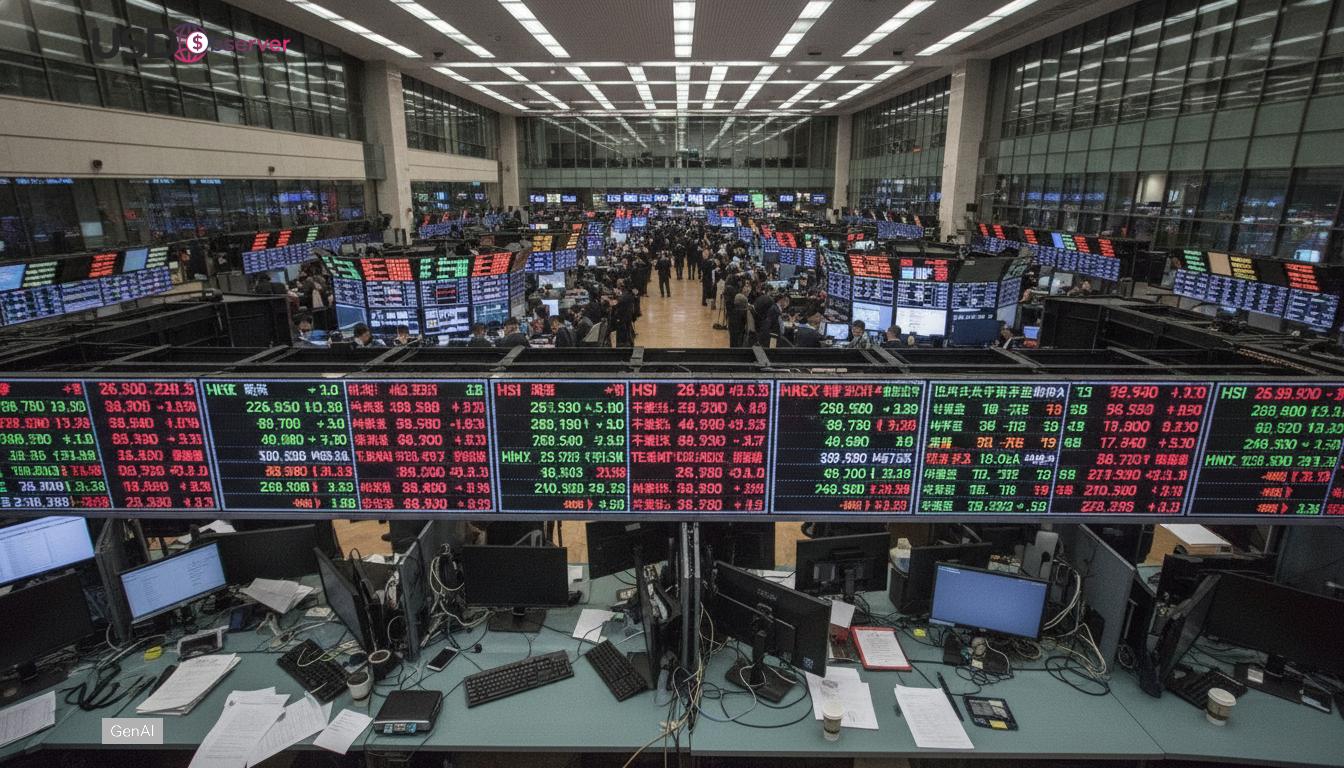
Settlement timing plays a critical role in short term liquidity stress. When transactions take longer to finalize, liquidity bottlenecks tend to cluster around specific windows, increasing volatility. Improved settlement timing spreads demand more evenly, reducing sharp intraday pressure points.
This has implications for forex markets where liquidity sensitivity is high. Faster settlement allows dollar liquidity to adjust more rapidly to macro news and policy signals. As a result, price discovery becomes more responsive, though sometimes more volatile in the short run.
Understanding timing dynamics is now essential for interpreting dollar market movements.
Trade Execution and Operational Confidence
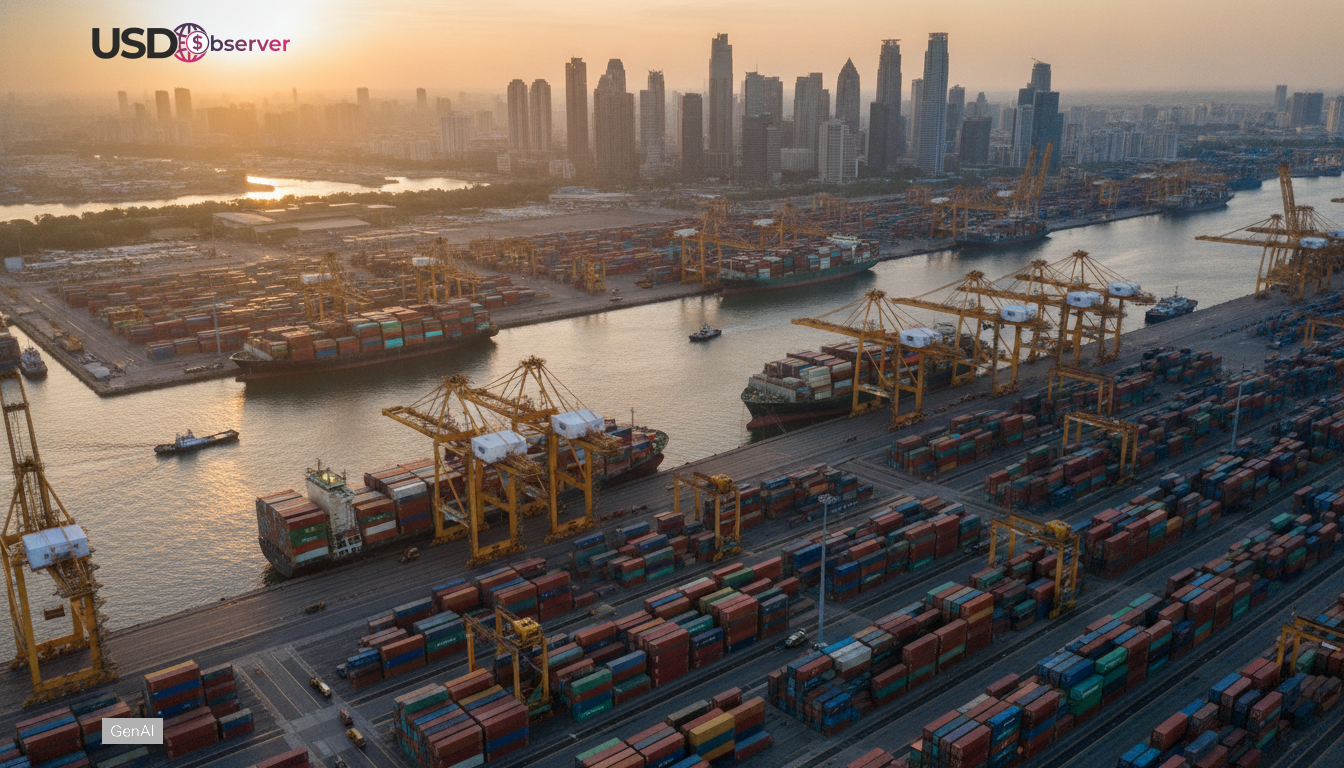
Global trade continues to rely heavily on the dollar as a pricing reference. What has changed is how firms approach execution risk. Operational confidence now depends on predictable settlement rather than currency substitution.
By adopting more efficient settlement mechanisms while retaining dollar benchmarks, companies improve cash flow planning and reduce operational uncertainty. This reinforces the dollar’s role by making it easier to transact across jurisdictions and time zones.
Operational confidence strengthens market stability even when macro conditions are uncertain.
Reduced Dependence on Single Clearing Pathways
Historically, dollar markets depended heavily on a limited number of clearing pathways. This concentration increased systemic risk during periods of disruption. Diversified settlement infrastructure reduces this dependency without altering currency hierarchy.
Multiple clearing routes allow dollar markets to function even when individual channels face strain. This redundancy enhances resilience and supports continuity in global finance. Rather than diluting dollar influence, diversification reinforces its reliability.
Markets increasingly value redundancy as a feature of stability.
Structural Implications for Future Market Cycles
Future dollar market cycles are likely to reflect both monetary conditions and infrastructure capability. Interest rate shifts and risk sentiment will remain key drivers, but settlement efficiency will influence how quickly these forces translate into liquidity conditions.
As infrastructure improves, cycles may become faster and more responsive. This does not imply instability, but rather a system that adjusts with greater precision. For USD observers, recognizing infrastructure as a cycle amplifier is becoming increasingly important.
Conclusion
Shifts in payment infrastructure are quietly reframing how dollar market stability is formed and perceived. While the US dollar remains the central anchor of global finance, evolving settlement systems are reshaping liquidity stress, timing, and resilience. This structural evolution reflects adaptation rather than disruption, positioning dollar markets within a more efficient and durable global framework.