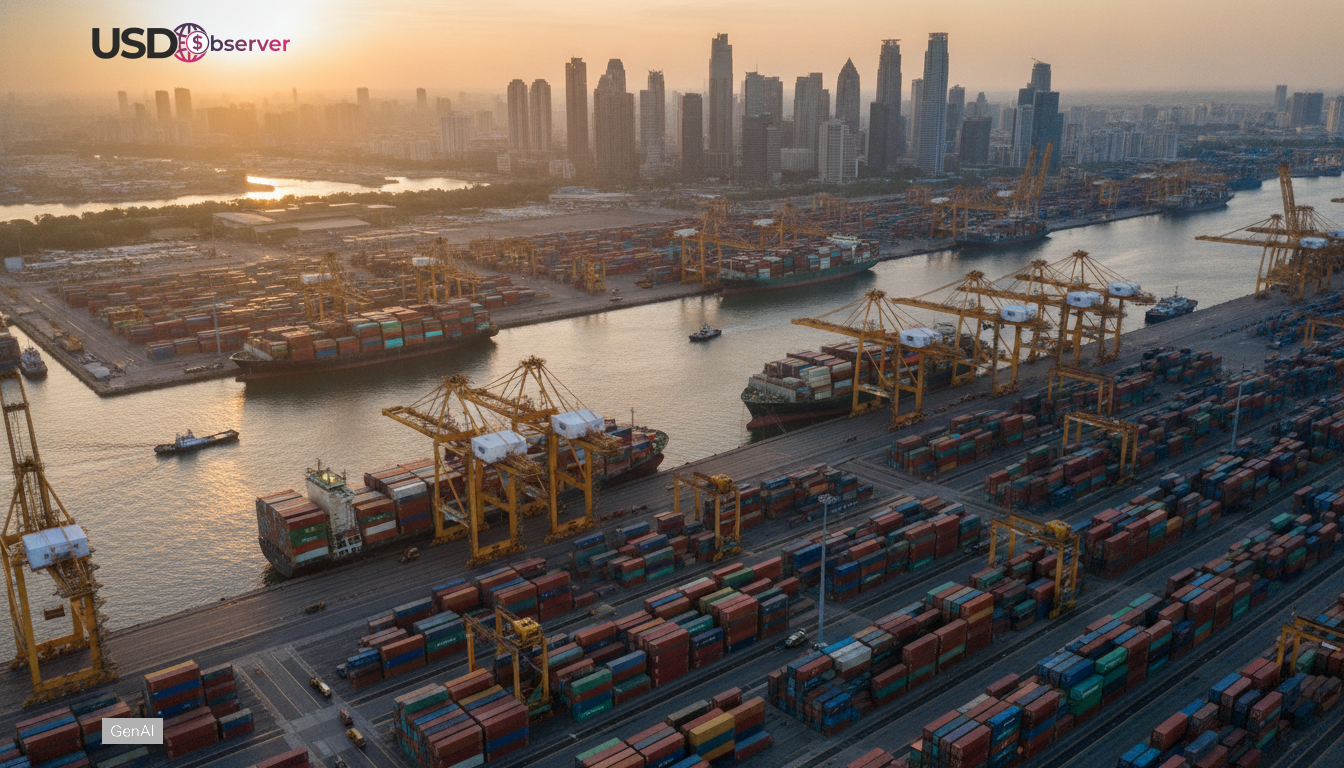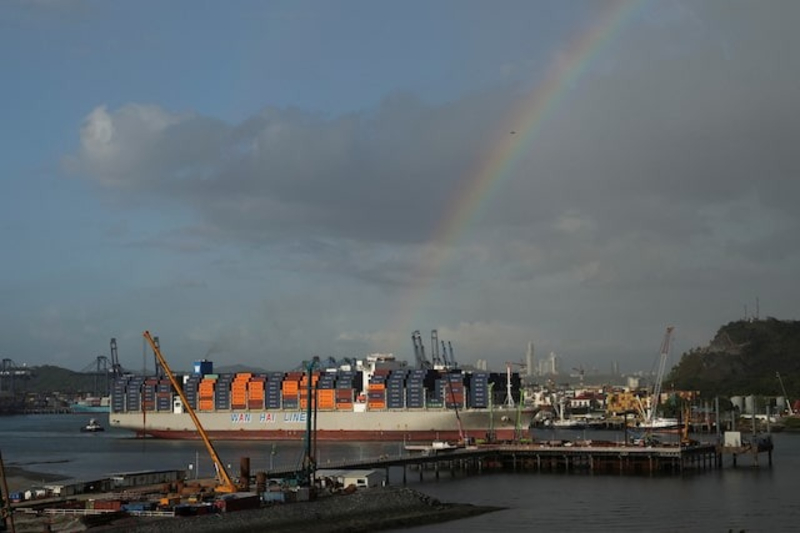
The Panama Canal recorded a steady increase in vessel traffic during the early months of its fiscal year, highlighting the resilience of global trade flows despite rising geopolitical tensions and shifting energy markets. Shipping data shows that total transits through the canal rose by around 2.8 percent through January compared with the same period a year earlier. The increase reflects sustained demand for energy shipments, industrial commodities and vehicle exports moving between the Atlantic and Pacific Oceans. Analysts say the canal remains one of the most critical arteries of international trade, linking manufacturing centers, energy producers and major consumer markets across several continents.
Shipping activity through the canal reached more than four thousand vessel transits during the four month period, representing over one hundred additional ship movements compared with the previous year. Tankers carrying energy products accounted for a significant portion of this growth, particularly vessels transporting liquefied natural gas, petroleum fuels and methanol. Car carrier ships and dry bulk vessels also contributed to the rise in traffic. These cargo segments remain essential for global supply chains because they support manufacturing industries, vehicle exports and the movement of key raw materials used in construction and industrial production.
Energy shipments have become one of the strongest drivers of canal traffic in recent months as global demand for fuels continues to shift across regions. Increased exports of energy products from the United States have played a major role in the rise of tanker movements through the canal. Growing demand from countries including South Korea, Mexico and Guatemala has supported these flows as trade agreements and tariff adjustments encourage more energy imports. As a result the number of tanker transits alone has grown by more than ten percent compared with the same period last year.
The canal’s importance has also increased as geopolitical tensions influence global shipping routes. Rising instability in parts of the Middle East has forced shipping companies to reassess the safety and efficiency of traditional maritime corridors. Some energy exporters and shipping firms are already considering alternative routes to avoid potential disruptions in critical chokepoints such as the Strait of Hormuz. If tensions in that region continue to affect energy transport, analysts believe the Panama Canal could see additional demand from vessels rerouting shipments toward Asian markets.
Officials overseeing the canal say operations remain stable even as the global trade environment becomes more complex. Authorities have maintained consistent transit schedules while gradually increasing the number of ships passing through the waterway each day. Maintaining reliable service has become increasingly important as shipping companies face rising geopolitical uncertainty, tariff adjustments and evolving energy supply chains. The canal continues to function as a key infrastructure link for global commerce, supporting the movement of goods and energy supplies across major international trade routes.