Iran Blockade and Its Impact on Oil Supply
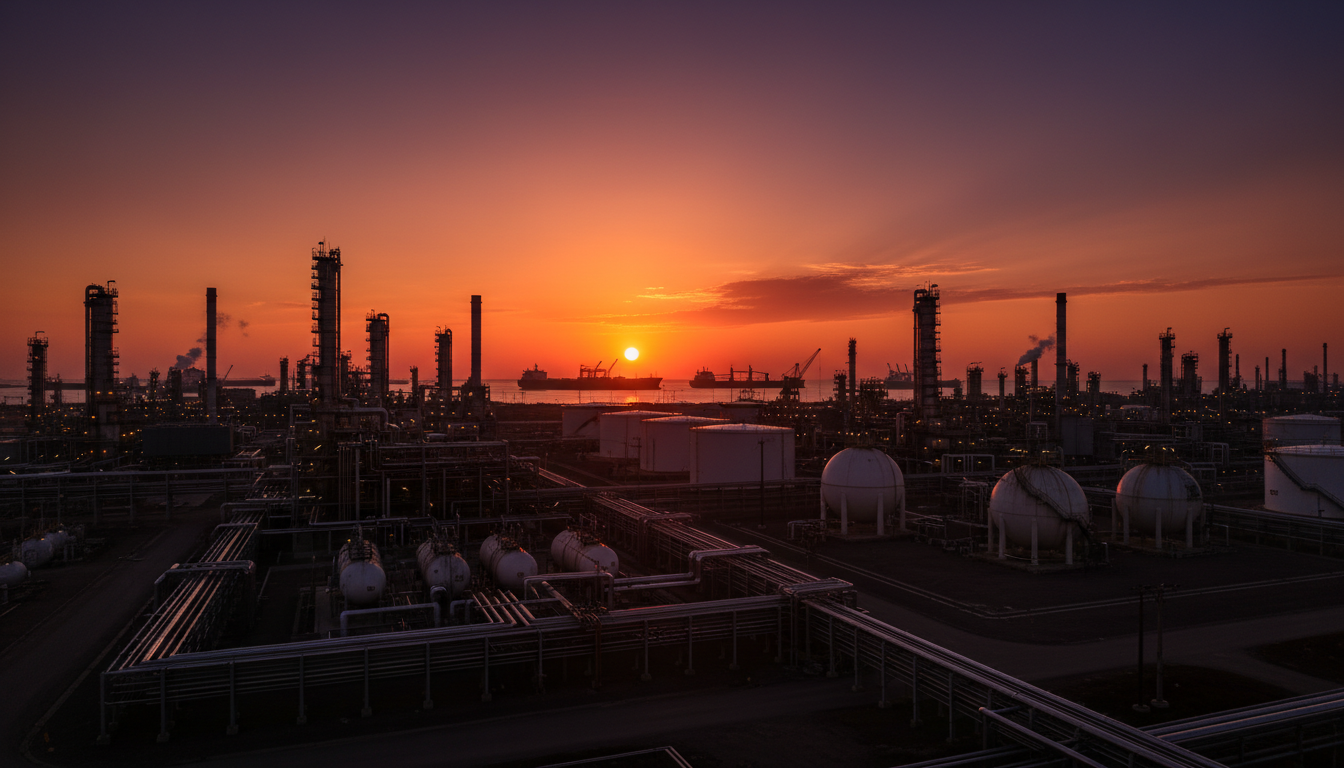
Traders moved quickly as shipping and insurance risks spiked around the Gulf. In Live dealing early Today, oil prices surged as desks priced a longer disruption window rather than a brief shock. The key pressure point is whether flows through regional export routes can be sustained at normal rates. The BBC reported Brent rising above $120 after talk of an extended Iran blockade, sharpening concern that barrels could be delayed even without physical damage to fields or terminals. A separate Update from brokers cited wider freight and war risk premia as chartering decisions slowed. Refiners in Asia and Europe also paid more for prompt cargoes as sellers demanded tighter terms.
Market Reactions to Rising Crude Oil Prices
The most visible repricing hit the front end of the curve, with prompt contracts outperforming later months. During Live coverage Today, oil prices also pulled correlated assets, including energy equities and headline inflation hedges. In commodities execution notes, crude oil prices were treated as a near term geopolitical premium rather than a pure demand story, and that changed how systematic funds added exposure. For context on the move, the BBC report on oil price hitting the highest since 2022 set the tone for risk managers recalibrating limits. Markets also watched cross border payment conditions, echoed in Visa Adds Polygon and Base to Stablecoin Payments, as settlement and liquidity channels stayed open.
Economic Implications of Surging Oil Costs
Higher energy costs immediately feed into transport, chemicals, and power pricing, and central banks must decide how much of the shock to lean against. In Today briefings, dealers framed the iran war update as a direct input into near term inflation prints, with fuel and shipping charges moving first. The Bank of England warned that rates could rise as the Iran war fuels inflation, as covered by the BBC report on the Bank of England and Iran war inflation risk. That matters for USD funding and local currency costs for importers. A separate Update from currency strategists also highlighted that the crude oil price surge can widen current account gaps for net importers. For a deeper FX lens, see Global Economy Shifts Driving FX Market Repricing for how energy shocks transmit into rates markets.
Historical Context of Oil Price Fluctuations
Past episodes show that spikes driven by security risks often behave differently than demand led rallies. In Live market notes Today, analysts compared the move to earlier supply scares where the first impulse was a jump in prompt crude, followed by volatility as clarity improved. What matters for global oil prices is not only the headline level, but the distribution of prices across regions and grades once logistics tighten. An Update from physical traders described refiners seeking alternative blends, which can widen differentials even if benchmarks stall. The key lesson from previous disruptions is that price can overshoot when inventory is low and shipping lanes are constrained. Those patterns also influence hedging behavior, with airlines and industrials often locking in costs quickly to protect margins.
Future Outlook for Global Oil Markets
Near term pricing will hinge on whether shipping access normalizes, whether producers can reroute cargoes, and how quickly buyers accept higher risk premia. In Live trading later Today, desks said volatility would stay elevated until the next verified operational Update on transit conditions and export schedules. If restrictions persist, crude oil prices could remain supported by backwardation and stronger time spreads, even if demand forecasts do not improve. For global oil prices, the biggest swing factor is the credibility of alternative supply and the willingness of consuming nations to release reserves, which officials typically confirm through named statements rather than rumor. Currency markets will also watch how higher import bills affect USD demand and local inflation paths. In the coming sessions, traders will focus on observable tanker movements, verifiable government briefings, and settlement conditions across energy supply chains.