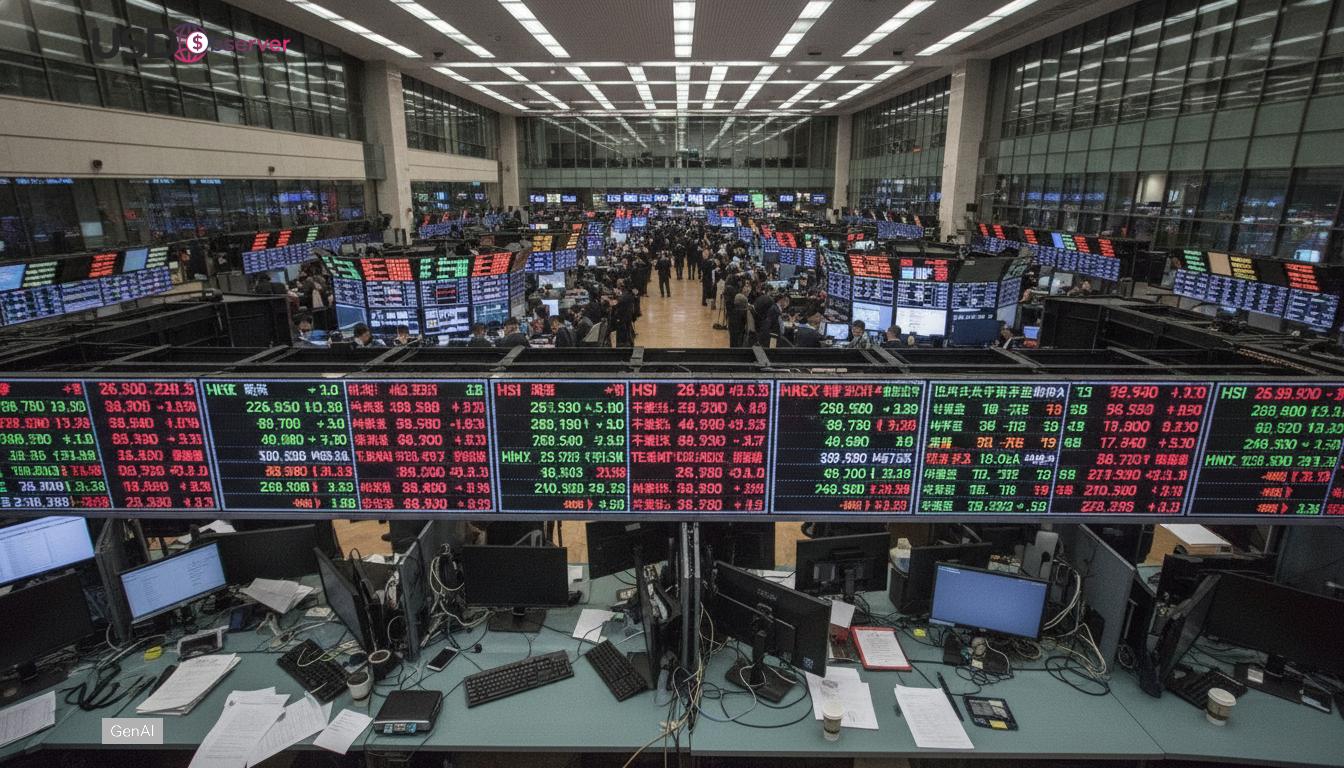
An intensifying conflict in the Middle East sent shockwaves through global financial markets, driving sharp moves across oil, equities, currencies, bonds and commodities. Investors reacted swiftly as military exchanges involving Israel, Lebanon, Iran and regional actors raised concerns about a prolonged confrontation that could disrupt energy supply routes and reshape capital flows.
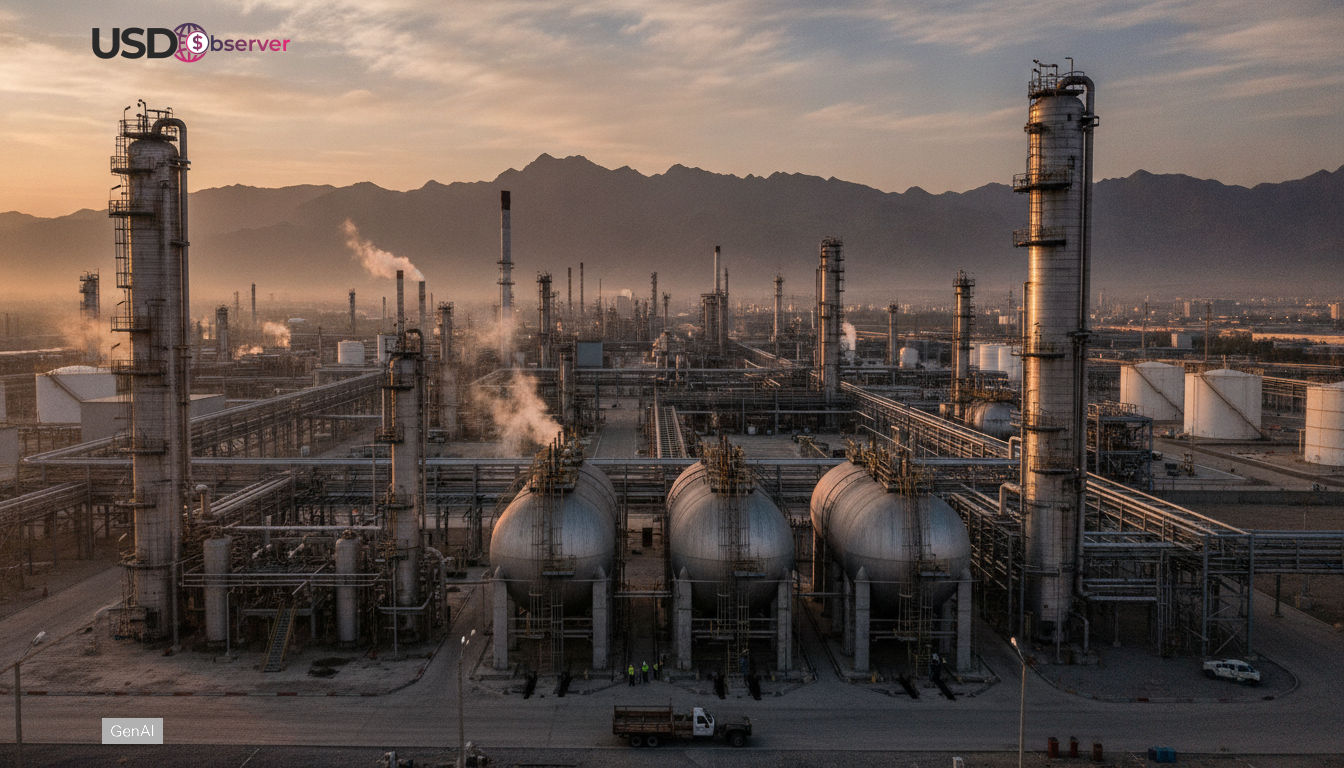
Crude oil prices climbed more than 8 percent after reports that facilities across the region were shut and shipping through the Strait of Hormuz faced disruption. Roughly 20 percent of global oil supply passes through that narrow waterway, making it one of the most strategically important energy corridors in the world. Natural gas markets also tightened after Qatar halted liquefied natural gas production, affecting a country that accounts for about one fifth of global LNG supply.
The surge in oil lifted shares of major energy producers. Companies such as Exxon Mobil and Shell advanced in line with rising crude benchmarks, while natural gas focused firms including CNX Resources and Williams Companies posted gains. Market analysts noted that sustained military escalation could keep upward pressure on both commodity prices and energy equities, reducing expectations of weaker oil prices in 2026.
In contrast, airline and travel stocks fell sharply. Shares of Ryanair, International Airlines Group, American Airlines and United Airlines declined as key Middle Eastern air hubs closed and fuel costs surged. Airline profitability is highly sensitive to jet fuel prices, and higher crude directly increases operating expenses. The broader passenger airlines index fell close to 3 percent. Travel related firms including Booking Holdings, Expedia, Hyatt Hotels and major cruise operators also retreated as geopolitical uncertainty weighed on consumer confidence and booking trends.
Defense contractors moved in the opposite direction. Northrop Grumman, General Dynamics, RTX and Lockheed Martin recorded gains as investors anticipated sustained defense spending and replenishment of missile and interceptor systems. European defense groups such as BAE Systems, Rheinmetall and Leonardo also advanced, reflecting expectations of increased security budgets across NATO aligned countries.
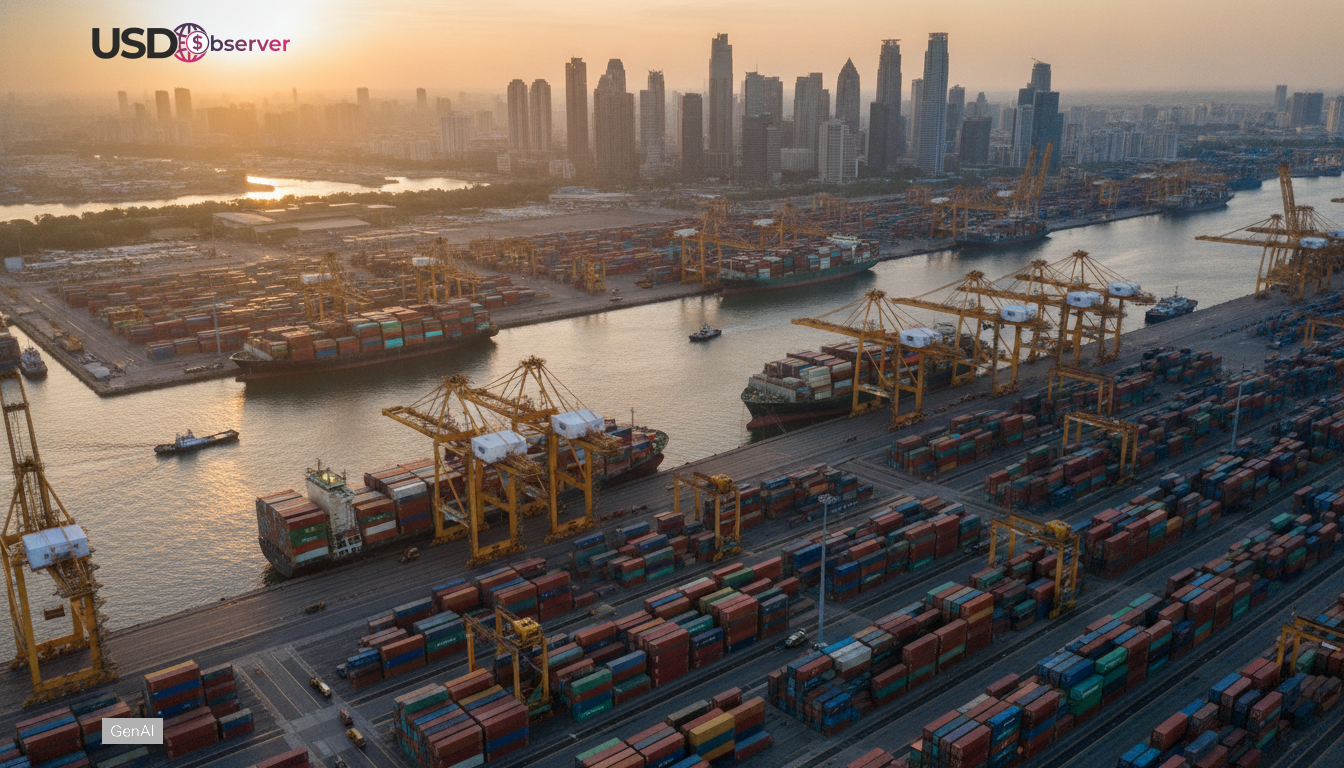
Shipping and tanker companies rallied as well. Disruptions to key maritime routes in Hormuz and the Suez Canal tightened capacity and boosted freight rate expectations. Shares of Maersk and Hapag Lloyd climbed strongly, while Nordic American Tankers, Teekay Tankers and International Seaways also advanced amid rising demand for oil transportation services.
Currency markets reflected a broader risk off shift. The US dollar strengthened against the Japanese yen, Swiss franc and euro, with the dollar index rising around 0.6 percent. Analysts noted that higher energy prices tend to support the dollar while placing pressure on currencies of countries heavily dependent on oil imports.
Gold prices gained as investors sought traditional safe havens. Meanwhile, long dated dollar denominated bonds issued by Middle Eastern countries including Qatar, Oman and Saudi Arabia declined on concerns about regional stability. Equity markets in Qatar and Kuwait posted notable losses, and emerging market dollar bonds in countries such as Egypt and Turkey also faced selling pressure.
The breadth of market moves underscores how quickly geopolitical tensions can ripple through commodities, currencies and global equity markets, reshaping investor positioning across asset classes.