Oil Prices Surge, Impacting Energy Choices
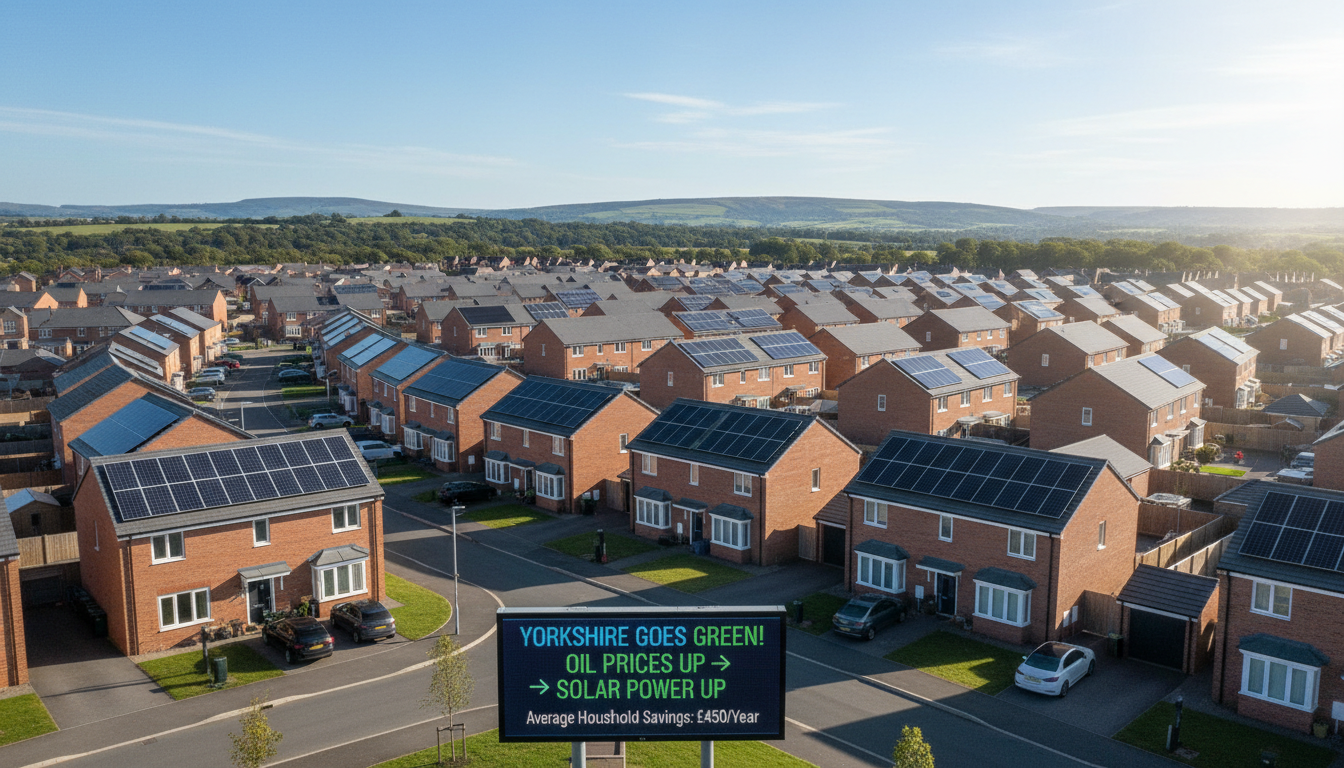
Oil-linked household energy costs are moving higher, and the shift is changing buying decisions in real time. Today, wholesale benchmarks and shipping insurance are feeding directly into retail fuel and heating quotes, pressuring monthly budgets. The latest market move was highlighted by the BBC in coverage of crude reaching its highest level since 2022, which traders tied to Middle East risk and policy options. In response, solar panel demand is showing up in quote requests as families try to lock in predictable electricity costs. Live price screens are also shaping lender risk models for home improvement credit. The oil price impact is now being discussed alongside home energy resilience, not as an abstract macro theme.
Homeowners’ Shift to Solar Energy
Households are reacting to bills that change week to week, and decisions are being made faster than in prior cycles. Today, installers say potential buyers are asking for payback estimates that use higher fuel assumptions and more conservative grid price scenarios. The move is tied to solar energy growth as consumers view panels as a hedge against volatile energy inputs, while renewable energy adoption is also framed as a security choice. For broader context on how energy shocks can spill into global price pressures, readers have tracked parallel developments in where payments infrastructure is adapting to volatility-sensitive demand Visa Adds Polygon and Base to Stablecoin Payments. Live conversations with contractors focus on timelines, warranties, and how quickly a system can be commissioned. Update cycles on utility tariffs are being monitored closely.
Installers Report Spike in Solar Inquiries
Installers describe a sharper funnel at the top, with more calls turning into site visits and financing prechecks. The uptick is not just interest, it is operational pressure, as firms juggle permitting queues, inventory allocation, and electrician scheduling. In the middle of these discussions, solar panel demand has become a measurable pipeline metric, tracked daily in customer relationship systems rather than monthly. Industry managers say the most common request is a fast solar panel installation plan that can be adjusted if equipment availability changes. Live scheduling boards are being updated more often, and some firms are extending weekend consult slots. For market context on the broader shock that is lifting fuel costs, see which details the geopolitical transmission into prices Middle East conflict jolts oil prices and markets. Update emails to customers now include revised lead times.
Economic Implications of Energy Transition
Rising fossil fuel costs are interacting with interest rates, wages, and inflation expectations, and that mix affects whether a household can fund hardware up front. The Bank of England has signaled that energy-driven inflation risks can influence the rate path, a theme covered by the BBC as officials warned rates could rise amid conflict-related price pressures. That matters because solar loans and home equity products reprice quickly, changing the monthly savings calculus. Even so, some buyers are proceeding because fixed generation can reduce exposure to future utility price resets. Live broker discussions now reference the oil price impact when stress-testing budgets. Update briefings from local authorities also highlight that grid connection approvals and inspection capacity can become bottlenecks when demand climbs quickly.
Future Prospects for Renewable Energy
Near-term momentum is being shaped by what happens next in crude, and by how fast installers can scale without sacrificing quality control. Procurement teams are watching component pricing, freight, and currency moves, since many panels and inverters are imported and paid in USD, which can shift totals even if list prices hold. Today, several contractors are emphasizing monitoring software and maintenance plans because performance data is central to customer confidence. Live after-sales support is also becoming a differentiator as more systems come online and owners compare output in real time. Another Update is expected as utilities refine interconnection rules and time-of-use tariffs, which can change the value of daytime generation. If volatility persists, renewable energy adoption is likely to keep accelerating as households prioritize predictable cash flows over exposure to fuel shocks.