Nvidia Hugging Face acquisition: what the reported $12.9bn deal means
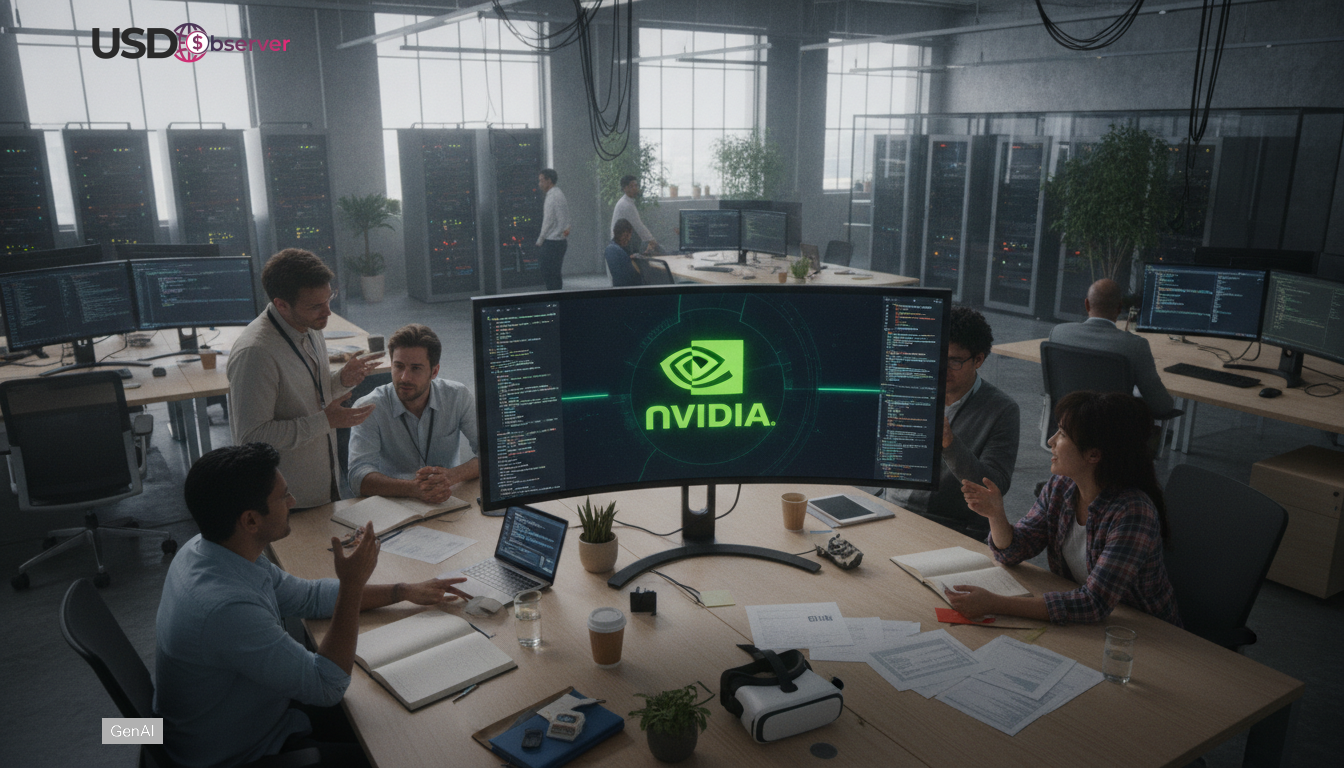
Nvidia has not published a primary statement confirming a transaction in this draft; instead, according to available reports, the proposed deal has been reported by Reuters as a $12.9bn agreement for Nvidia to buy the AI platform Hugging Face. Reuters-attributed briefings said Nvidia framed the reported purchase as a way to tighten the link between training, deployment, and inference tooling on its hardware. If completed, the reported Nvidia-Hugging Face tie-up could place a widely used model hub inside a company that already has major GPU exposure in data centers, according to industry context described by Reuters. Reuters also reported Nvidia pointing to faster enterprise onboarding as customers demand vetted artifacts and consistent performance profiles. Deal terms and regulatory timing have not been detailed publicly beyond the figure cited by Reuters, and neither company has published integration milestones.
Developer workflows, openness, and governance signals
For builders, a key question is whether workflows stay frictionless for the developer community that ships models and libraries at high velocity. In statements carried by Reuters, Nvidia executives said open access and permissive licensing are central to the platform’s adoption, which makes policy changes a material risk. In that context, the reported Nvidia Hugging Face acquisition may be watched for signals on governance, disclosure, and compliance expectations in adjacent policy debates, and a related perspective on rulemaking can be seen in G20 Backs Digital Asset Innovation with Clearer Rules, where governance and disclosure are treated as adoption prerequisites. If the transaction proceeds, it could also shift sponsorship and grants toward CUDA-optimized tooling, though any such changes would depend on post-deal priorities that have not been detailed publicly.
Open-source AI distribution, hosting, and monetization
Hugging Face’s credibility has been built on open-source AI distribution at scale, with model cards, reproducible checkpoints, and an ecosystem of maintainers who expect neutrality. According to Reuters, Nvidia said its intent is to accelerate safe-deployment features while keeping community contributions flowing through established review processes. The technical upside described by supporters would be clearer paths for compilation, quantization, and inference serving that align with Nvidia’s software stack, though implementation specifics have not been released. A risk raised by some developers is subtle gatekeeping through preferential integration, even without closing the repository, an outcome that would depend on product and policy decisions not yet announced. Market participants will watch, as Reuters reported the deal value, whether pricing changes emerge for hosted inference and enterprise support after any acquisition closes, especially for teams that rely on the hub as a default distribution channel.
Market reaction: valuation, regulation, and rate sensitivity
Investors may parse a reported acquisition like this through a revenue-mix lens, because software and services can potentially smooth cyclicality associated with GPU ordering. Analysts at major banks often track such shifts using public filings and conference commentary, but the companies have not released a detailed pro forma outlook tied to the transaction, according to what has been publicly available alongside Reuters coverage. The $12.9bn price tag cited by Reuters may shape expectations that Nvidia is pursuing cash flows in areas such as model hosting, enterprise governance, and developer tooling, though the exact revenue strategy has not been disclosed, and context on those crosswinds is covered in Global Bond Market Volatility Lifts Borrowing Costs Fast. In parallel, macro conditions can swing valuations for growth assets when rates and the dollar move abruptly.
What happens next for competition and AI infrastructure
If regulators approve the transaction, the AI industry could see tighter coupling between model ecosystems and compute supply, which may make procurement decisions more path dependent. Any antitrust review would likely examine whether ownership of a major distribution layer could disadvantage rival accelerators or steer developers through defaults and incentives, though the scope of review would depend on jurisdiction and the final transaction structure. Reuters reported that Nvidia has argued publicly that competition remains broad across cloud providers and model vendors, while Hugging Face has emphasized openness as its operating principle. Enterprises may push for contractual clarity on portability, data handling, and service continuity before committing critical workloads. Competitors could respond by backing alternative hubs or deepening partnerships with cloud marketplaces, but the extent of any response remains uncertain. Whatever the final structure, the reported transaction would test whether open collaboration can coexist with more vertically integrated infrastructure control.