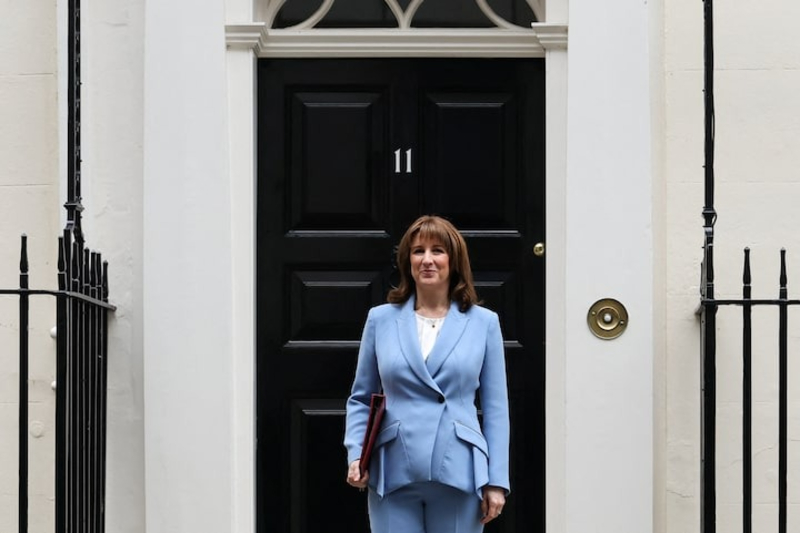
The United Kingdom’s fiscal outlook faces renewed pressure as escalating conflict in the Middle East drives up energy prices and borrowing costs, raising concerns that official budget projections may quickly become outdated. Chancellor Rachel Reeves presented updated fiscal forecasts this week, emphasizing that public finances were on a stabilizing path, but analysts warn that global developments could undermine those assumptions.
The Office for Budget Responsibility prepared its latest projections before the recent surge in oil and gas prices. Since then, crude benchmarks have climbed sharply and European natural gas prices have spiked, reflecting fears of supply disruptions linked to instability around the Strait of Hormuz. Sustained energy price increases would directly affect inflation, growth, and government borrowing requirements.
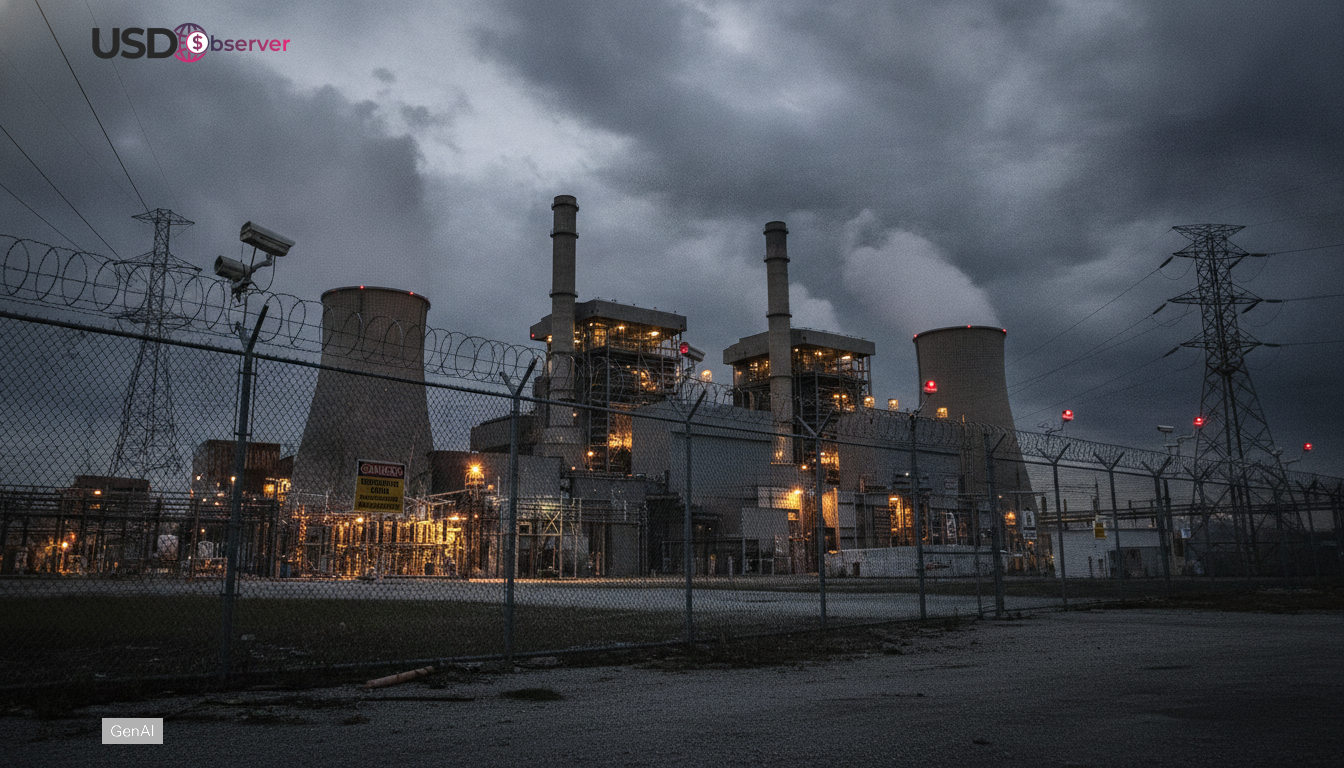
Britain remains particularly sensitive to fluctuations in global gas markets. The country relies heavily on gas for electricity generation and residential heating and has limited storage capacity compared with several European peers. A prolonged rise in wholesale energy costs could translate into higher household bills and increased fiscal pressure for targeted support measures.
Government bond markets have already reacted. Yields on long term UK gilts posted one of their largest single day increases in recent years, reflecting investor concern about global inflation risks and the potential need for tighter monetary policy. Higher yields raise the cost of servicing public debt, narrowing the government’s fiscal headroom.
Inflation in the UK has remained elevated relative to other Group of Seven economies, and while it has been expected to ease, a fresh energy shock could reverse that progress. Economists estimate that sustained increases in oil and gas prices could push inflation back toward three percent or higher, complicating the Bank of England’s path toward rate reductions.
Reeves’ fiscal rules rely on stabilizing debt over the medium term. Even modest shifts in interest rates or growth assumptions can significantly alter projected borrowing needs. Analysts suggest that if energy prices remain elevated into next year, the chancellor’s margin for meeting fiscal targets could shrink considerably from already tight levels.
Beyond energy, broader geopolitical uncertainty adds to economic fragility. Volatile financial markets and weaker global growth could dampen UK exports and investment. At the same time, political pressures may mount for additional public spending to cushion households from higher fuel costs, especially ahead of upcoming elections.
Market participants are also reassessing expectations for Bank of England policy. Traders have reduced bets on multiple rate cuts this year, pricing in a more cautious approach if inflation risks persist. Higher rates would weigh on mortgage holders and businesses while increasing debt servicing costs for the government.
As geopolitical tensions evolve, the UK’s fiscal trajectory will depend heavily on the duration of the conflict and the persistence of energy price shocks. With borrowing costs rising and inflation risks resurfacing, the stability of Britain’s budget framework now hinges on external forces beyond domestic policy control.