Middle East conflict outlook for markets and inflation
The Middle East conflict has become a central variable for traders, policymakers, and households because it can shift oil costs and inflation expectations quickly. Even when front-month crude retreats, a security premium can linger in freight, insurance, and hedging, which can feed into transport and production costs, according to market commentary cited widely in financial coverage. In 2024, investors have also been forced to balance geopolitics against the direction of US interest rates, since tighter financial conditions can cool demand while supply risks can push prices higher. The result can be a mixed signal: softer spot prices can coexist with elevated uncertainty. That uncertainty matters most for near-term inflation prints and central bank guidance.
US interest rates: how the Fed shapes oil demand
As indicated by available reports, Federal Reserve officials have kept policy restrictive while waiting for clearer disinflation, and markets can reprice quickly after each CPI or jobs release. When Treasury yields rise, the US dollar often strengthens and global financial conditions tighten, which may temper oil demand with a lag as transport and industry adjust. The inflation channel can be direct because borrowing costs for inventories, mortgages, and corporate credit can reprice fast. Institutional headlines also affect expectations, and BBC coverage of a Supreme Court decision involving Fed governor Lisa Cook was reportedly watched by some market participants for what it might imply about policy continuity. A Middle East conflict risk premium may offset some demand softening by lifting near-term energy inputs, especially for sectors that hedge fuel.
Global spillovers: currencies, capital flows, and risk pricing
Outside the US, rate expectations transmit through exchange rates, capital flows, and the cost of servicing dollar debt. When the dollar strengthens, imported inflation can rise in countries that pay for energy in USD, and that can force central banks to choose between defending currencies and supporting growth. Liquidity conditions matter too, since higher US yields can drain risk appetite and lift hedging costs for trade, with the Middle East conflict often cited as a driver of sudden repricing during periods of volatility. For market positioning, Bitcoin Price Drop to $58K Amid US PCE Inflation Surprises shows how an inflation surprise can ripple across assets. In parallel, funding frictions can show up in forex and crypto rails, as detailed in Stablecoin USD shifts reshape crypto and forex liquidity, which can be relevant when volatility rises during a flare-up.
Oil and shipping: why the risk premium can persist
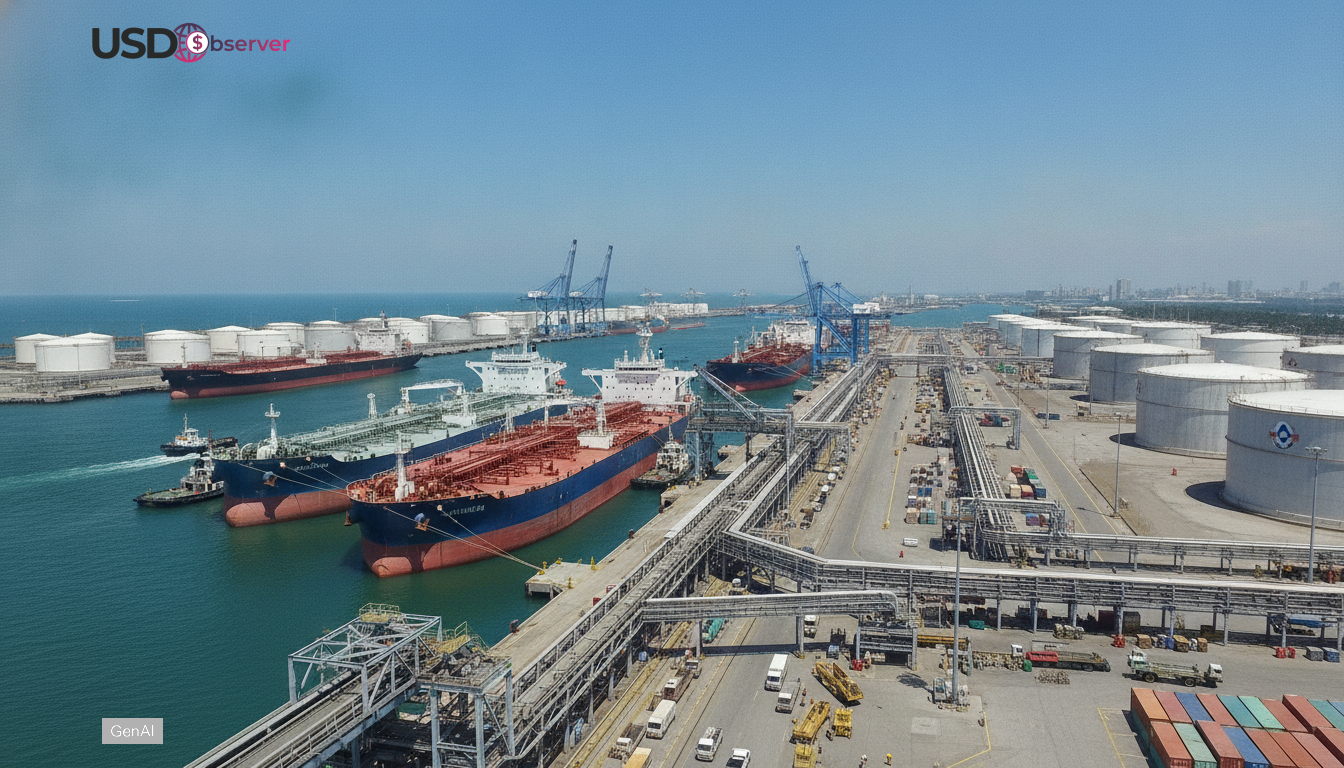
Oil has pulled back toward levels seen before the Iran Israel escalation, according to the futures moves and benchmark references discussed in recent market coverage, but pricing can still be influenced by marginal barrels and shipping risk rather than headlines alone. Traders often watch whether flows remain uninterrupted through key routes and whether producers can cover disruptions with spare capacity, and for example the Strait of Hormuz remains a recurring focus in daily tanker market chatter. Price dips can be sharp when worst-case scenarios fade, yet the curve can hold a premium when insurance and freight costs stay elevated, based on how traders describe risk pricing in energy and shipping markets. For a recent snapshot of the retreat in crude benchmarks and route risk, Iran war update: oil prices retreat after Hormuz risk links the security backdrop with futures moves. In this context, the Middle East conflict remains a live variable for refiners and airlines that hedge forward fuel needs.
Petrol prices and inflation: what to watch next
Retail petrol prices rarely track crude day by day because pump costs reflect refining margins, taxes, distribution, and the timing of wholesale contracts, as consumer fuel price breakdowns and industry explanations typically note. In many countries, VAT or fuel duties are a large share of the final bill, so a move in Brent can translate into a smaller and slower change for drivers. Currency swings add another layer: a weaker local currency can lift petrol prices even if crude is flat. For inflation, lower energy can improve headline CPI temporarily, while services and wages can keep core pressures sticky, as central banks often highlight in their communications. A renewed geopolitical shock in the region could complicate that path by lifting transport and input costs just as growth cools, and it could keep central banks cautious.