South Korea’s Strategic $880bn Investment in AI and Semiconductors
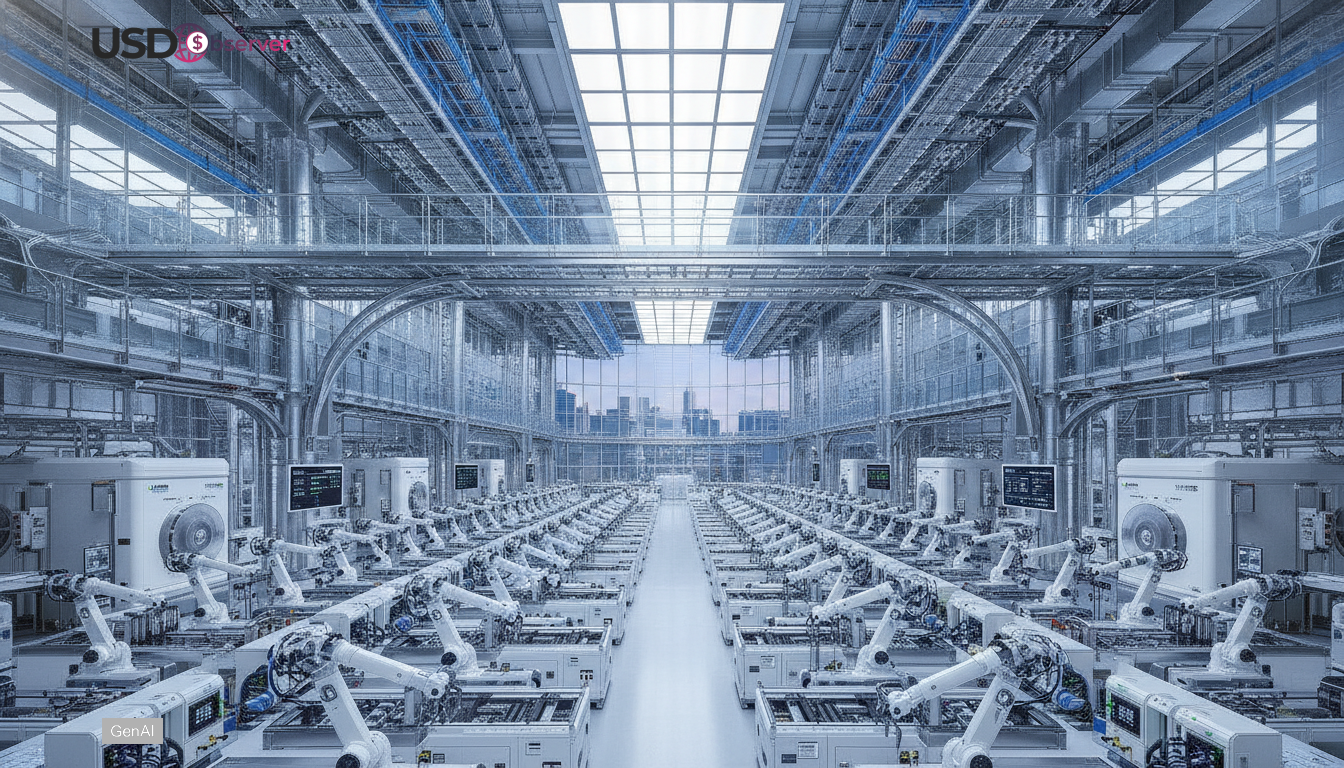
South Korea’s AI investment represents a shift from broader industrial policies to a more focused funding initiative centered on semiconductors and AI. According to reports attributed to the Ministry of Trade, Industry and Energy, the program is valued at approximately $880bn, although exact figures and timing may vary depending on definitions and exchange-rate considerations. The initiative is designed as a coordinated package, encompassing capital support, infrastructure, and talent development, with execution hinging on environmental reviews, water access, and grid connections.
Influencing Global Supply Chains and Capital Flows
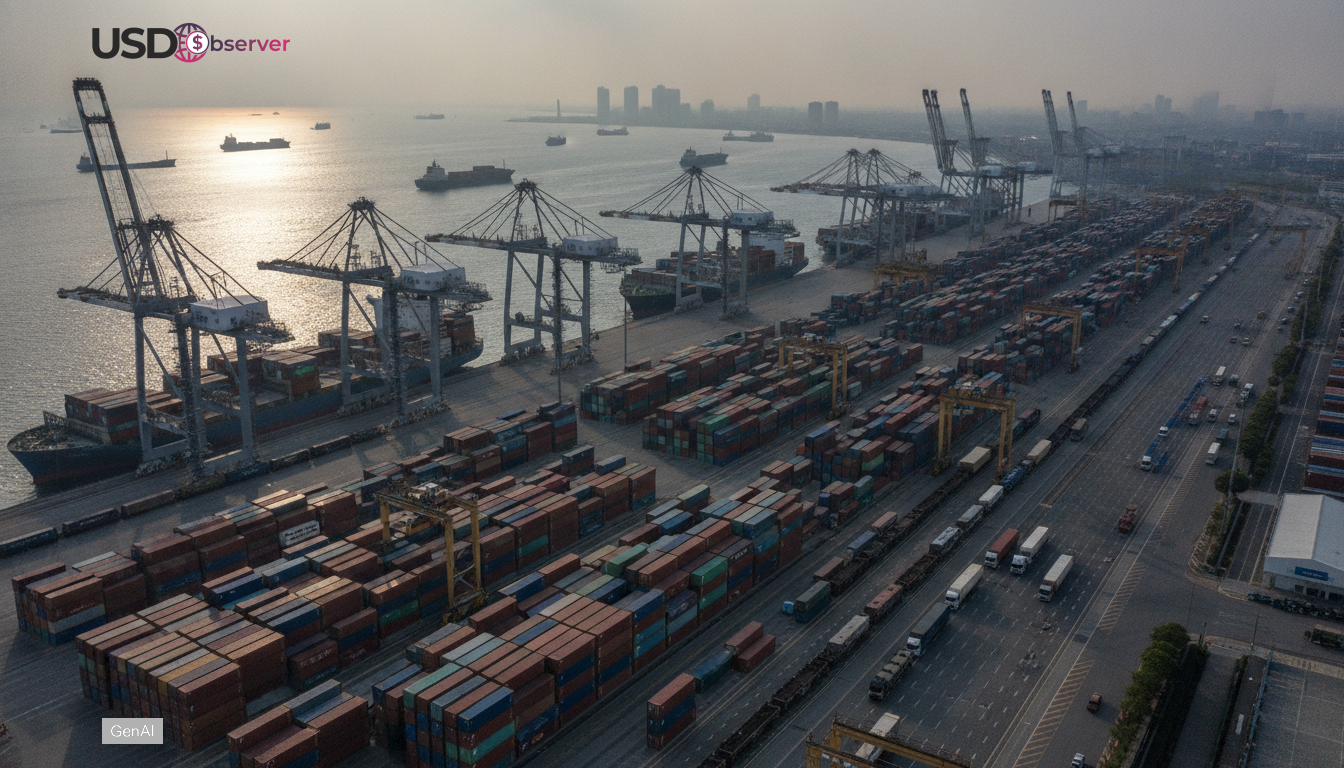
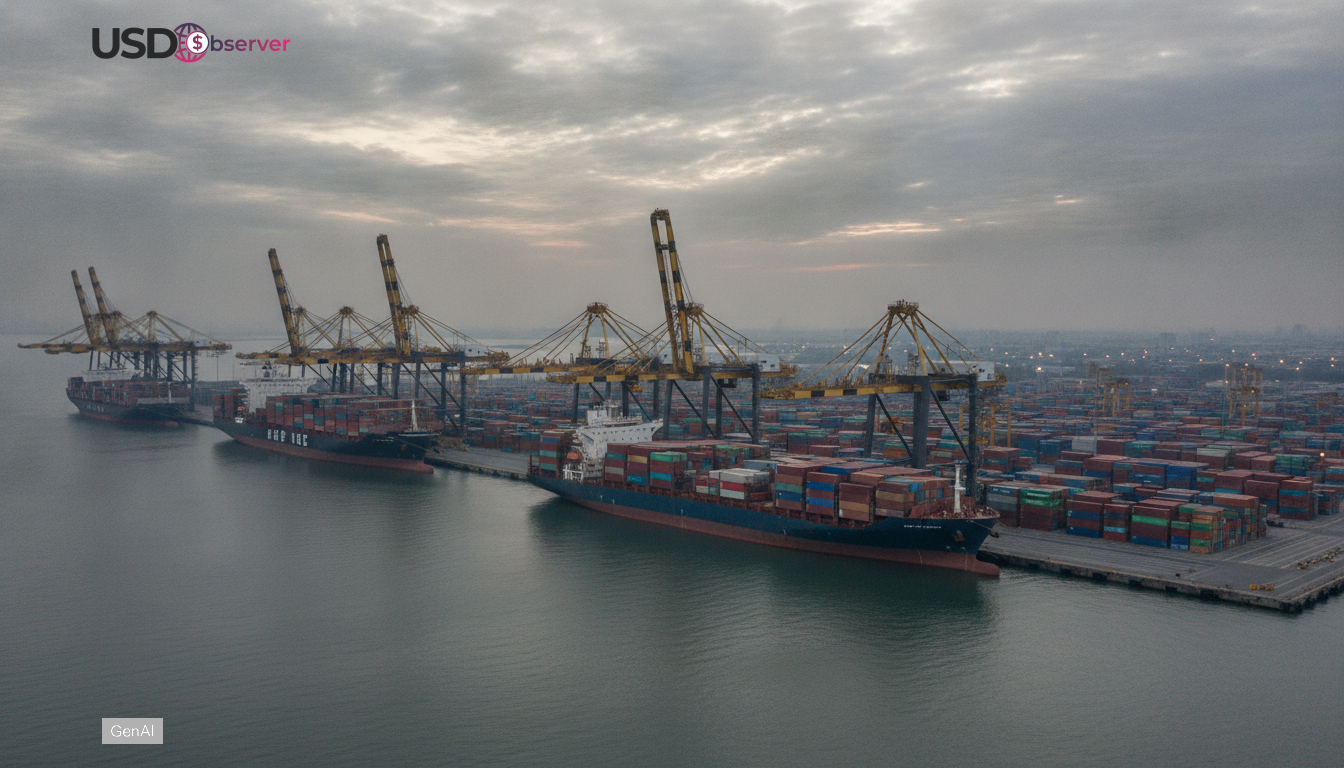
As indicated by government statements, the plan aims to impact next-generation supply chains, including high-bandwidth memory and AI accelerators. The Ministry of Trade, Industry and Energy has positioned this program as a catalyst for private-sector growth. Market participants have debated potential impacts on capital flows and equipment imports, though outcomes remain uncertain.
Comparative Analysis with Regional Counterparts
South Korea’s initiative is often compared to similar efforts in the US, Japan, and the EU. Government communications emphasize rapid capacity expansion and securing critical inputs during trade disruptions. The investment supports the broader chip-manufacturing ecosystem, which includes materials, tools, and packaging, areas where bottlenecks can occur.
Converting Investment into Tangible Outcomes
Challenges in turning financial commitments into production ready outputs include issues like power availability and local permitting. Ministry statements highlight that training and research are crucial to aligning the semiconductor strategy with industry needs. Proponents argue for deepening domestic clusters to improve component lead times and yields.
Future Milestones and Market Expectations
Performance will likely be evaluated based on project milestones rather than spending promises. The Ministry of Economy and Finance has emphasized tangible progress in infrastructure development. Meeting these timelines could boost export capacity and align with enterprise AI demands, while delays may benefit competitors. Governance expectations are also raised, focusing on supplier diversification, R&D sustainability, and financing stability.