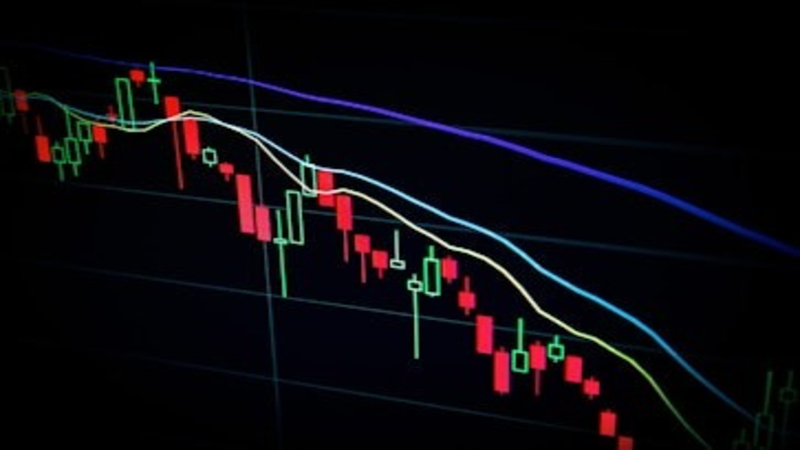
As the calendar approaches year end, global financial markets enter a very different operating environment. Trading desks thin out, risk limits tighten, and liquidity drops sharply across asset classes. In this setting, macro data that would normally generate a muted response can trigger outsized price moves, catching even experienced participants off guard.
This dynamic is not about changing fundamentals. It is about market mechanics. When liquidity is thin, prices move more easily because fewer orders are available to absorb shocks. Understanding how year end conditions amplify macro signals is essential for interpreting late December market behavior and avoiding false conclusions about underlying trends.
Thin Liquidity Changes How Markets Process Information
The most important feature of year end trading is reduced depth. Fewer participants means fewer bids and offers, widening spreads and increasing sensitivity to flow. In this environment, even modest data surprises can push prices further than they would during normal conditions.
Macro releases that confirm existing narratives can still have impact simply because positioning is light and counterflows are limited. Markets do not require strong conviction to move when liquidity is scarce. Small imbalances between buyers and sellers can create sharp price adjustments.
This effect is particularly visible in currencies and rates, where liquidity conditions deteriorate quickly as the year closes. The result is price action that reflects mechanics as much as information.
Small Data Becomes a Catalyst, Not a Driver
Late year price moves are often misread as signals of changing fundamentals. In reality, many are driven by positioning and liquidity rather than new insight. Data points that would usually reinforce consensus can become catalysts for exaggerated reactions.
For example, a marginal inflation print or secondary economic indicator can push rates or currencies sharply because there are fewer participants willing to fade the move. The data itself does not justify the magnitude of the reaction, but the market structure allows it.
This distinction matters for interpretation. Traders who treat year end moves as fundamental shifts risk overreacting to what is essentially a mechanical adjustment.
FX Markets Are Especially Sensitive
Foreign exchange markets are particularly exposed to thin liquidity dynamics. With fewer active dealers and reduced corporate flow, spot moves can accelerate quickly. Stop losses and option barriers can be triggered more easily, adding to momentum.
Currency pairs tied to macro narratives often see exaggerated follow through. Dollar crosses, for example, may react strongly to US data even if the broader outlook remains unchanged. These moves can reverse quickly once normal liquidity returns in January.
Understanding this behavior helps explain why late December FX trends are often unreliable guides to early year direction.
Risk Management Tightens as Participation Falls
Another feature of year end markets is tighter risk management. Many institutions reduce exposure to protect annual performance and balance sheets. This reduces willingness to take the other side of trades, reinforcing price sensitivity.
As a result, volatility can increase even as volumes fall. This combination confuses observers who associate low volume with stability. In practice, low volume often increases fragility rather than reducing it.
Markets become more reactive, not less. Price discovery becomes noisier, and signals are harder to interpret cleanly.
What This Means for Interpreting Macro Signals
Year end conditions require a different analytical lens. Price moves should be evaluated in the context of liquidity rather than taken at face value. A sharp reaction does not necessarily imply a change in outlook.
For investors, this period favors caution and selectivity. Reducing position sizes, widening risk buffers, and focusing on higher conviction themes can help manage noise. Waiting for liquidity to normalize often provides clearer confirmation of genuine trends.
Macro analysis remains important, but it must be adjusted for timing. The same data release can have very different implications depending on when it arrives.
Conclusion
Thin year end liquidity amplifies price moves and turns small data into big market reactions. These moves are driven more by mechanics than by fundamentals. Understanding this dynamic helps avoid misreading late December volatility and prepares investors to reassess signals once full liquidity returns in the new year.