Latin American financial markets opened the week on a positive footing, with most regional currencies strengthening and equities moving higher as investors prepared for a dense calendar of inflation releases that could influence interest rate expectations across the region. The advance came amid a softer tone in the US dollar and renewed focus on domestic macro signals rather than global risk jitters.
A broad index tracking Latin American currencies rose close to one percent, while a regional equities benchmark climbed more than one percent, reflecting cautious optimism ahead of data from several of the region’s largest economies. Market participants said the early gains suggested investors were positioning for outcomes that would support gradual monetary easing without reigniting inflation concerns.
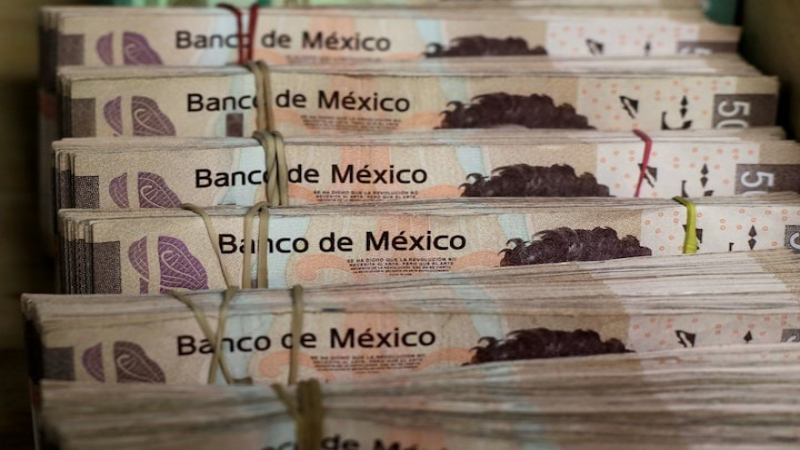
The Mexican peso led currency gains, rising against the US dollar after January inflation data showed consumer prices accelerating modestly to 3.79 percent. The reading reinforced last week’s decision by Bank of Mexico to pause its rate cutting cycle, a move that was widely seen as a signal of prudence rather than a shift back toward tightening. Mexican equities also edged higher, supported by expectations that cautious monetary policy could help anchor inflation while protecting growth momentum.
Economists noted that while Mexico is likely nearing the end of its easing phase, policymakers are expected to remain data dependent. The persistence of price pressures has strengthened the case for measured adjustments rather than aggressive cuts, which in turn has helped underpin the peso after it underperformed several emerging market peers last year.
Attention is now turning to inflation data from Brazil and Argentina, both scheduled for release in the coming days. In Brazil, the real appreciated as investors continued to anticipate the start of a rate cutting cycle as early as March. The upcoming inflation print will be closely scrutinized to determine whether price growth remains within the target range set by the Central Bank of Brazil. Recent comments from central bank leadership emphasizing careful calibration have underscored a commitment to gradualism even as easing draws closer.
Brazilian stocks moved higher, aided by optimism around domestic policy stability and news of the country’s first dollar bond issuance of the year. Analysts said the bond sale could serve as a test of international appetite for Brazilian risk at a time when global investors are reassessing emerging market exposure.
Elsewhere, Argentine markets were largely steady ahead of their own inflation release, with traders wary of short term volatility. In Venezuela, equities rose after reports that US Energy Secretary Chris Wright plans to visit the country to begin discussions with officials about the future leadership of PDVSA, a development that briefly lifted sentiment in Caracas.
Across the region, investors remain mindful that Latin America’s strong performance last year was driven in part by attractive carry trades and relatively high interest rates. This week’s data will play a crucial role in shaping expectations for how long that advantage can be maintained as inflation slowly cools and central banks weigh the timing and pace of further easing.