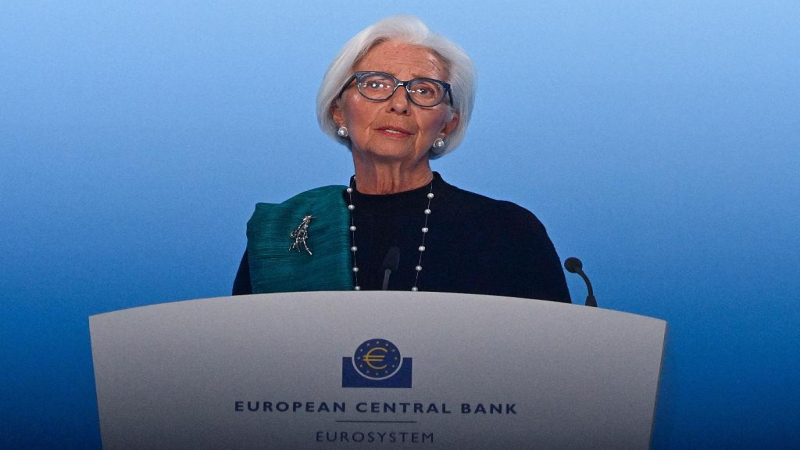
European Central Bank President Christine Lagarde has called on European Union leaders to accelerate key structural reforms aimed at strengthening the bloc’s economic resilience amid rising geopolitical and financial uncertainty.
According to officials familiar with the discussions, Lagarde has circulated a reform checklist ahead of an EU summit, outlining areas that require urgent collective action. The initiative comes as Europe faces external pressures from shifting United States policy priorities and intensifying competition from China in global trade and technology markets.
At the center of the reform push is the creation of a deeper savings and investment union designed to mobilize capital more efficiently across member states. The proposal seeks to improve the flow of private savings into productive investments, support long term growth, and reduce fragmentation in European financial markets.
Lagarde has also reiterated the strategic importance of advancing the digital euro project. The digital currency initiative, led by the European Central Bank, is viewed as a way to safeguard Europe’s monetary sovereignty in an era of rapid technological change and growing global competition in digital payments. Policymakers see it as a tool to reinforce financial stability while maintaining central bank oversight in a digitalized economy.
Another priority involves deepening the EU single market, particularly in services, capital, and digital sectors. Despite decades of integration, significant barriers remain across national markets, limiting scale and competitiveness for European firms. Removing these frictions is seen as essential to boosting productivity and innovation.
One of the more politically sensitive elements in Lagarde’s proposals is the call for a common euro wide benchmark safe asset. Such an instrument would increase the supply of high quality collateral in financial markets and strengthen the international role of the euro. However, joint debt issuance remains contentious among member states, especially those concerned about fiscal risk sharing outside periods of crisis.
The ECB has long supported further financial integration, including the establishment of a joint deposit insurance scheme and a common liquidity framework for bank resolution. Advocates argue that completing the banking union would reduce systemic risk and enhance confidence in cross border banking operations. Critics, however, remain cautious about mutualizing liabilities without stronger fiscal discipline mechanisms.
Lagarde’s reform agenda also emphasizes boosting retail participation in capital markets, particularly through structured savings and investment accounts focused on pension financing. Expanding household access to capital markets is seen as a way to channel domestic savings into European companies and infrastructure projects, reducing reliance on external financing.
The broader message from the ECB leadership is that coordinated action is required to unlock higher growth potential and reinforce Europe’s economic autonomy. As global trade patterns shift and financial conditions remain uncertain, EU policymakers are under pressure to strengthen institutional frameworks and ensure the bloc remains competitive in a rapidly evolving global economy.