Economic Indicators Shaping USD Movements
Markets are shifting their focus toward data-driven insights rather than storytelling. Intraday shifts are closely linked to scheduled releases, with labor, inflation, and service metrics now at the forefront. These factors have a significant impact on rate expectations as well as the inflows into the US dollar. Traders active in forex often react almost instantly as swaps and yields adjust. Increasingly, USD strength is tied to employment signals and their implications for policy rather than merely a single data point. Moreover, during the trading session, live pricing reflects critical elements like revision updates and wage details that can significantly alter perceptions. Keeping a rapid update cycle on calendars and yields has become essential for navigating the next market direction.
Global Shocks Impacting Dollar Demand
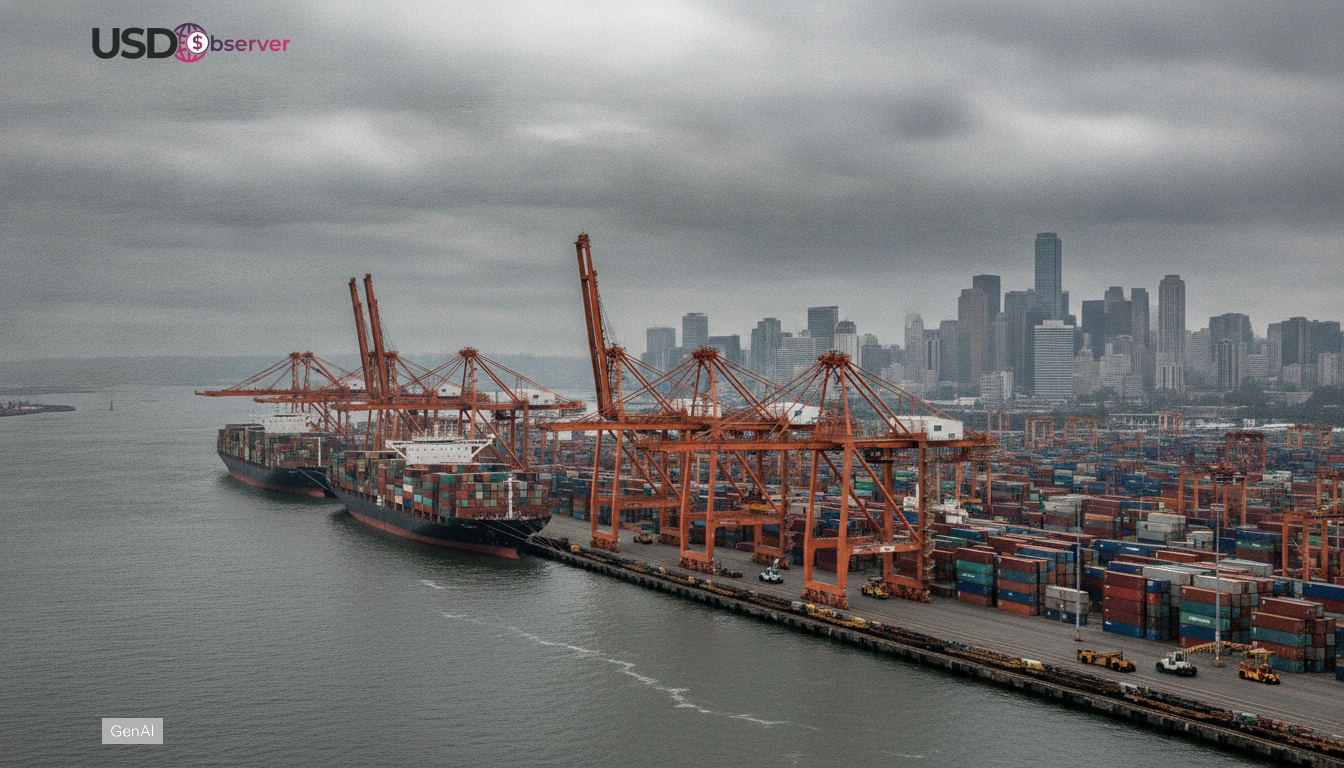
Global events have surged in importance as drivers of dollar demand this week, particularly when they impact energy pricing and shipping risks. Market watchers are focused on how supply adjustments could influence inflation expectations, quickly filtering into FX hedging. For instance, BBC coverage on jet fuel flows highlights how US jet fuel may alleviate potential shortages in Europe. Developments like this can shift refinery margins and freight rates, aspects currency desks watch with vigilance. Additionally, stablecoin liquidity is emerging as a live indicator of offshore dollar access; a recent report in Stablecoin Growth Brings New Risks for Markets Now elaborates on the ways market plumbing can intensify risk movements. Often, an update follows when safe haven behavior meets month-end funding requirements.
Federal Reserve’s Influence on USD Strength
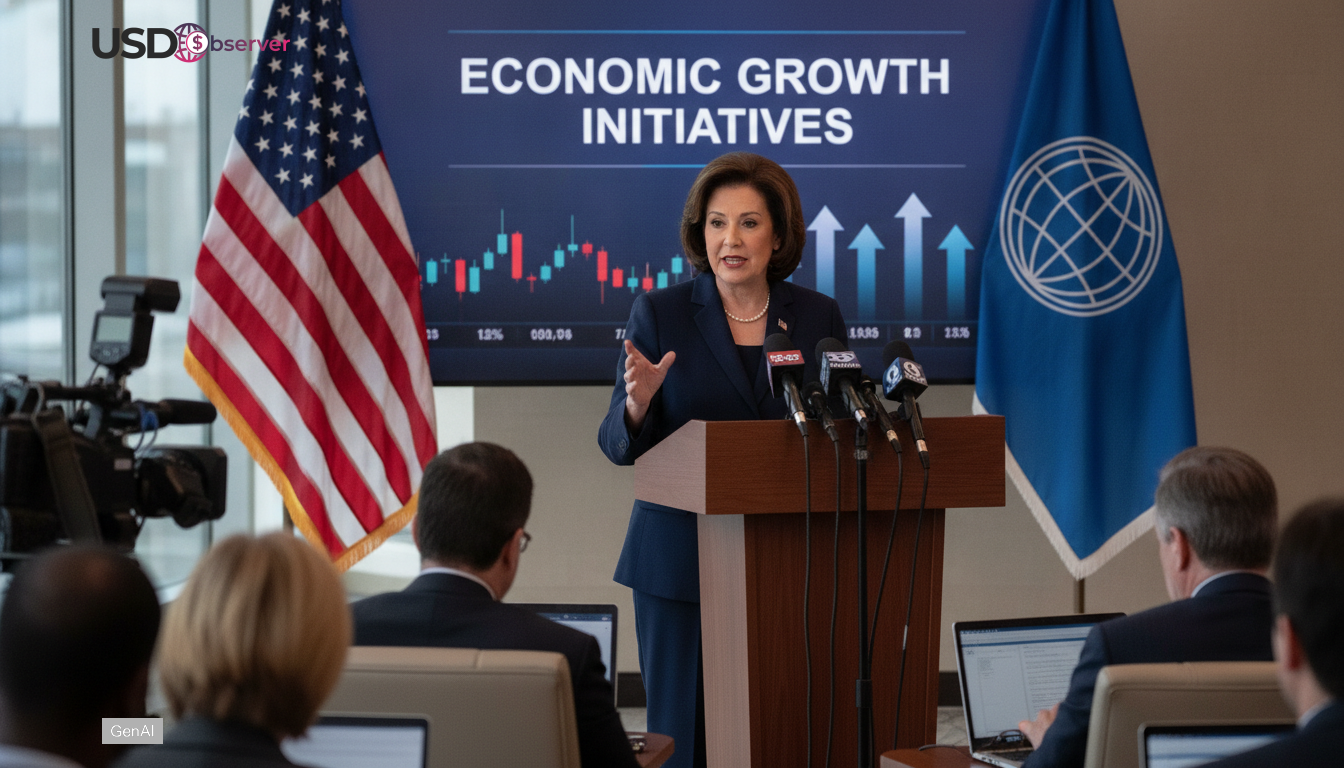
The avenues of Fed policy remain a coherent narrative for dollar trends, even in the face of mixed growth signals. Current Fed communications are being dissected for more than next meeting expectations; traders analyze the reactions linked to inflation persistence and shifts in labor markets. Attention is directed toward how officials characterize financial conditions, especially whether they see recent easing as premature—this nuance can swiftly impact both front-end yields and FX markets. In this framework, USD strength frequently aligns with the gap between US and other sovereign curves, especially when investors can reap carry without assuming excessive credit risk. A live read of the curve provides clarity on whether the market anticipates cuts, pauses, or an elevated terminal rate. The latest updates also reflect changes in hedging costs for international buyers of US assets.
Comparative Dynamics in Forex Markets
Relative value trades are playing a pivotal role in today’s significant market shifts, enabling investors to express views without directly facing US risk. Desks are currently monitoring USD behavior against high beta currencies during risk sentiment fluctuations and assessing its resilience against low yielders amid spikes in volatility. In Latin America, the relationship between the peso and the dollar is showing sensitivity to both rate differentials and commodity sentiments, with day traders using this pair as a gauge for carry appetite. The broader picture of reserve demand also plays a crucial role, as illustrated by Dollar Holds Reserve Lead Amid Shifting Global Trade, which discusses how structural allocations can reinforce cyclical trends. Even details such as traffic at discount retailers, highlighted by search trends like ‘lidl near me’, can hint at short-term demand pressures. A live cross-check of correlations serves as a precise update when currency pairs start to diverge.
Anticipating Future Exchange Rate Movements
Current forecasts are being shaped by scenario ranges rather than single metrics due to volatility and event risk dominating price discovery. The practical approach today is to map how incoming employment and inflation data might affect the Fed’s trajectory and then translate that into yield differences and anticipated FX carry. Options markets offer a live gauge of uncertainty pricing, particularly around key releases and central bank events. Within these projections, USD strength is often framed against metrics like real yields, growth resilience, and funding pressures, which can be traced through swap spreads and dollar funding benchmarks. Market participants frequently rely on Reuters and central bank transcripts to validate the tone and timing, with subsequent updates reflected in positioning and risk reversals. Ultimately, forecasts hinge on the pace of global growth stabilization and the persistence of underlying price pressures.