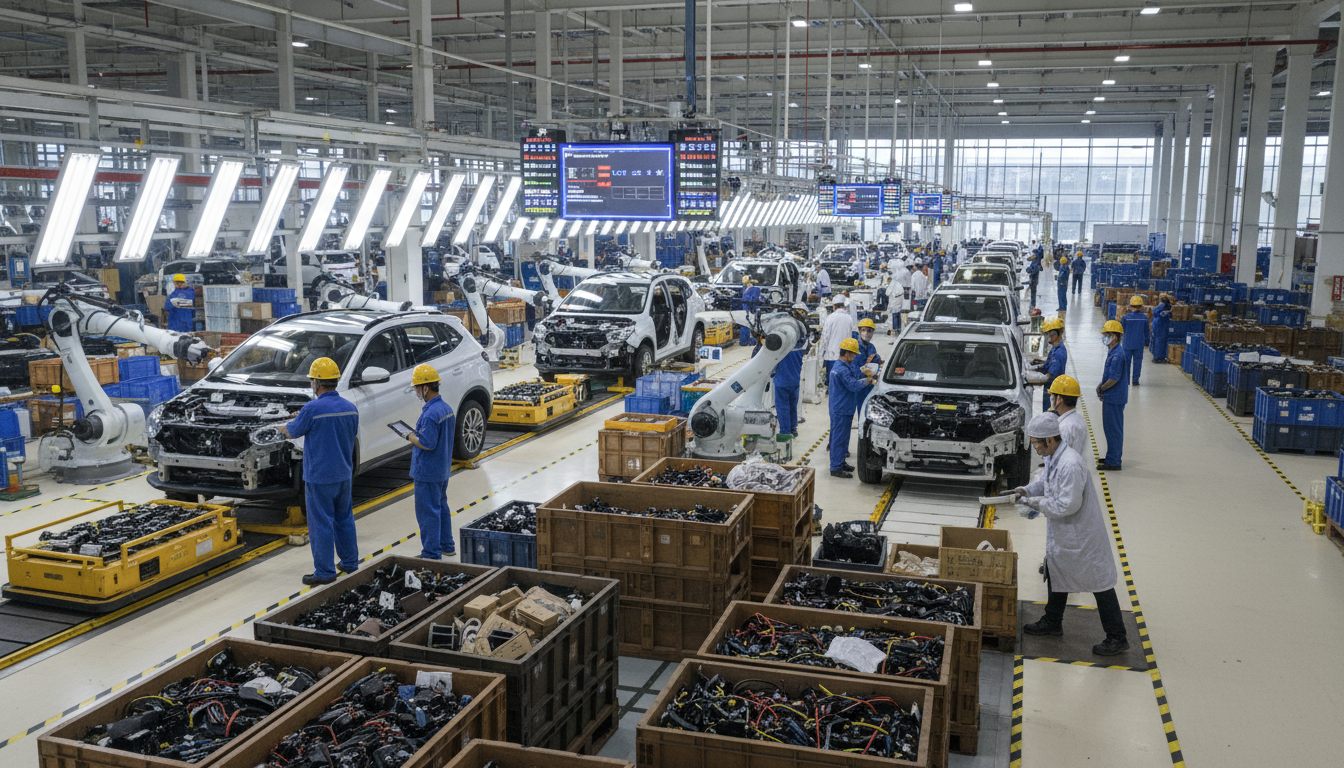
Rising Global Fuel Prices Boost EV Appeal
Fuel markets opened volatile as traders priced new Middle East risk into cargo schedules and insurance. Today, fleets and commuters are recalculating operating costs because pump prices can move faster than wages and freight rates, and in that context, China’s EV industry is finding more receptive buyers for lower total cost mobility, especially in delivery vans and ride hailing. In Australia, an australian fuel crisis is being discussed by state transport groups as diesel supply tightens and surcharges rise. Live price boards are pushing consumers toward fixed electricity tariffs and workplace charging. Government briefings in several import dependent economies have signaled an Update to fuel security planning focused on electrification.
China’s Strategic EV Investments
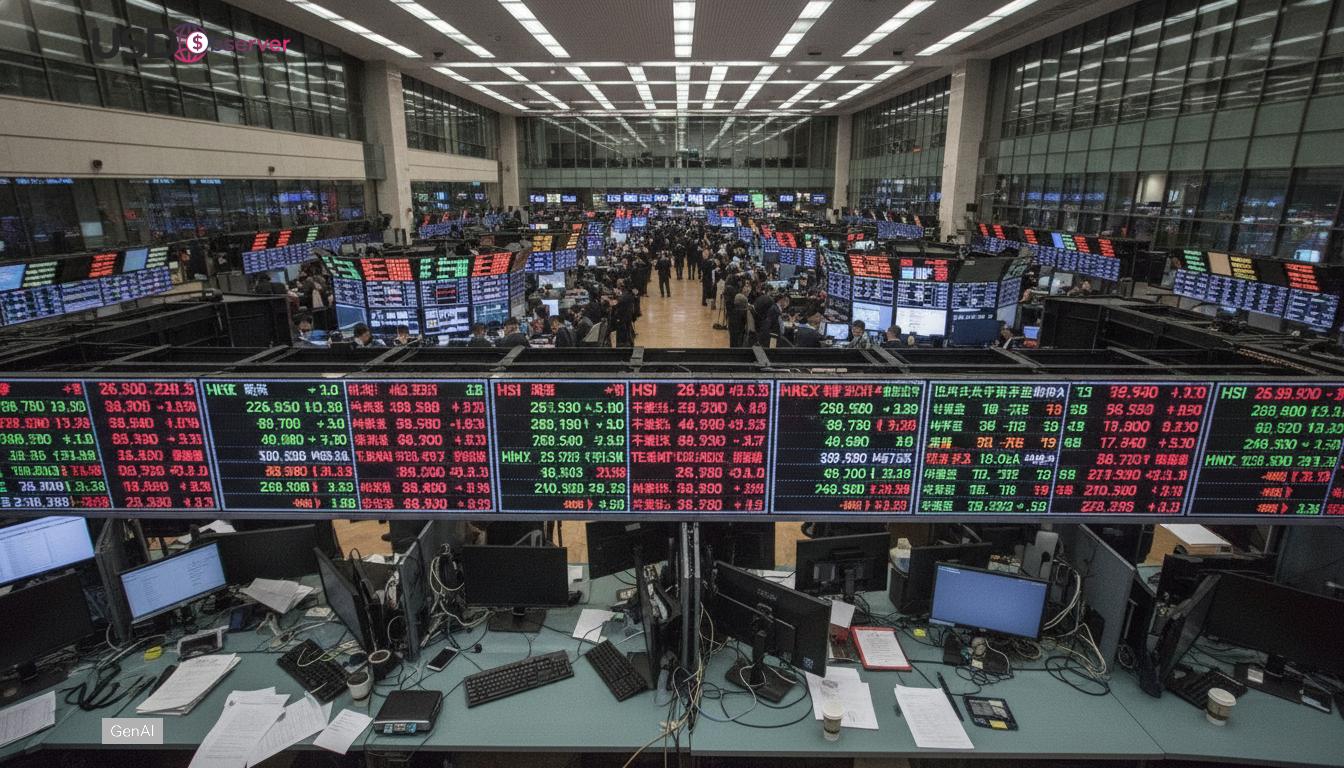
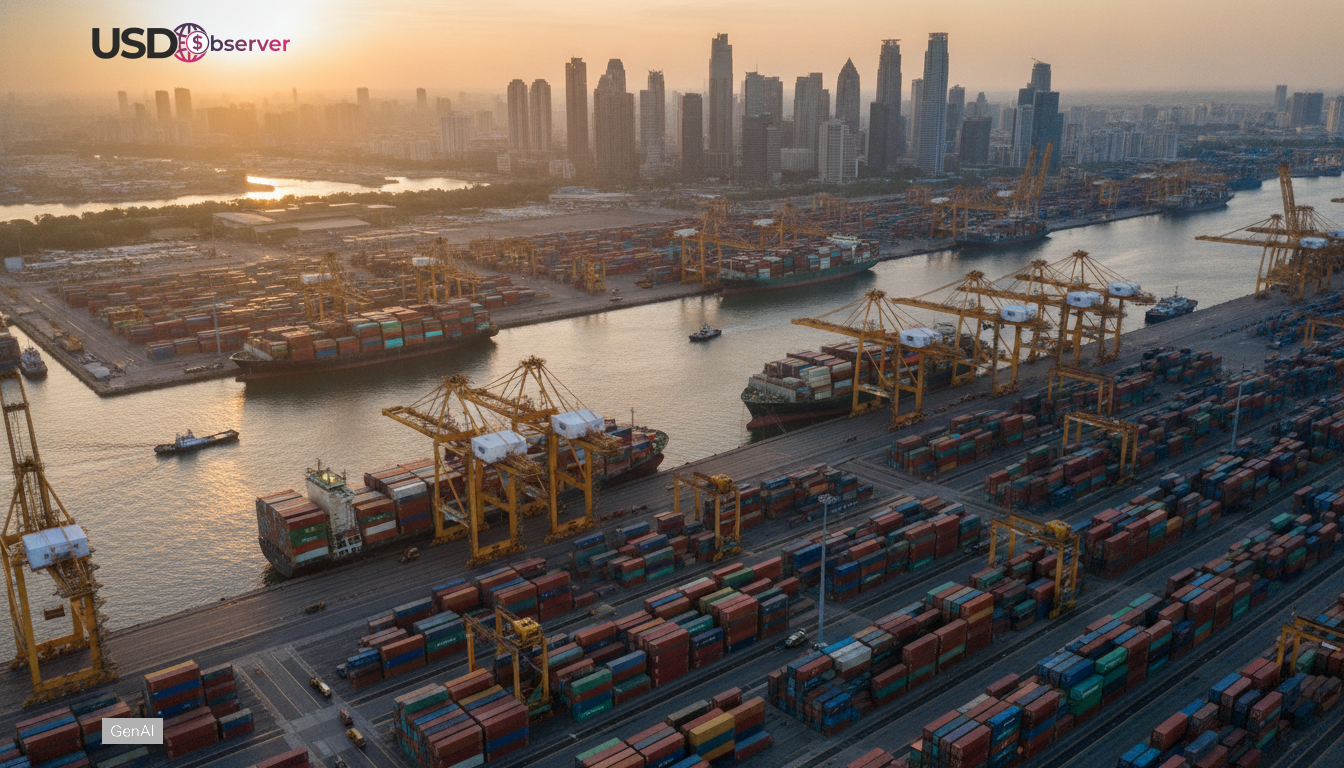
Capital is shifting toward manufacturers with resilient supply chains and export logistics that can handle shocks. Today, provincial governments are steering credit and land approvals toward battery plants, grid connections, and port capacity, and the Ministry of Industry and Information Technology has outlined industrial priorities in recent policy notices. A parallel conversation in markets is visible in Stablecoins and Digital Assets Reshape US Finance, where pricing and settlement risk are being reassessed in high volatility periods. Live dealership financing has also improved as lenders stress tested residual values against oil swings. Reuters has described Chinese automakers accelerating overseas assembly talks to avoid tariff exposure. An Update in export strategy is also evident in new homologation filings across Southeast Asia and the Gulf.
Technological Advancements in EV Charging
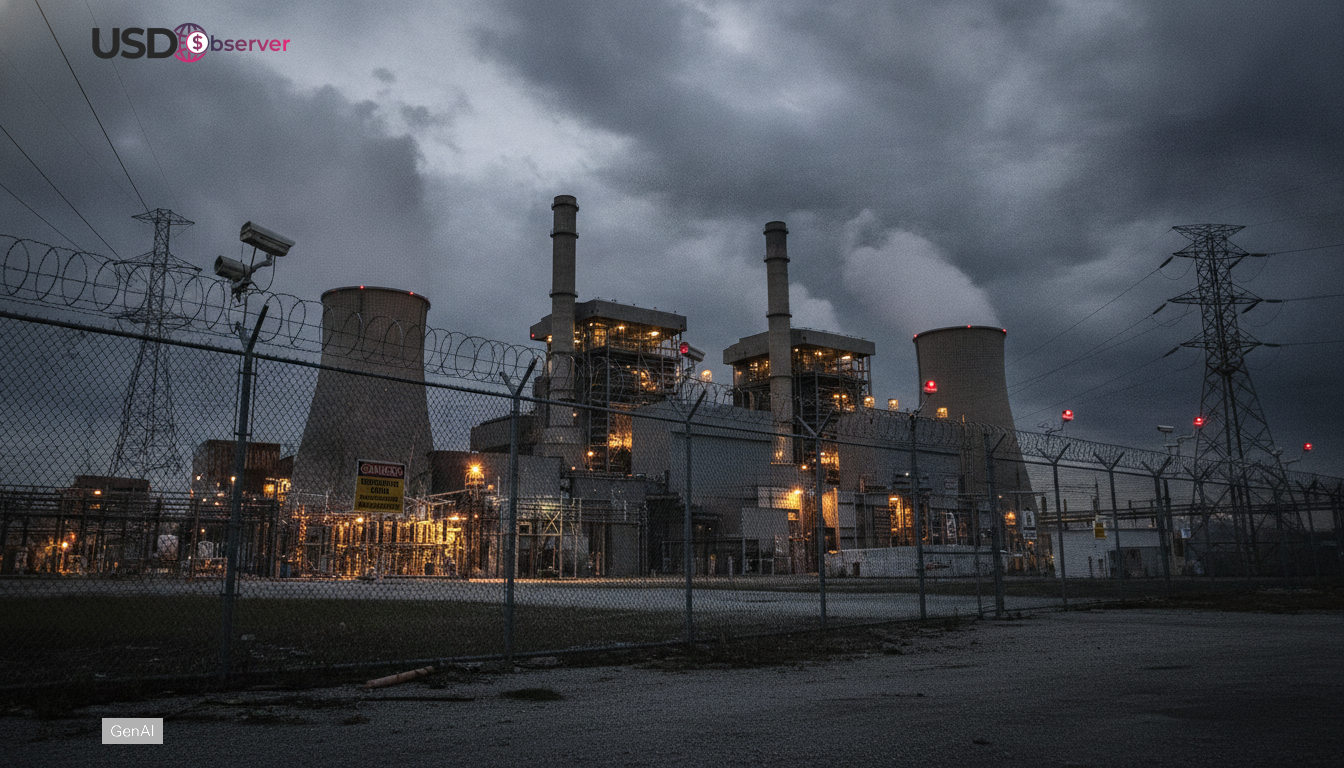
Battery and charging claims are now being used as competitive weapons in showrooms, not just lab milestones. Today, automakers are emphasizing fast charge capability to counter range anxiety during fuel supply shocks, and China’s EV industry is tying marketing to measurable charging curves and thermal management. For the broader energy cost context, readers have tracked petrol price pressure and currency effects in Global Petrol Prices Surge Amid War, Top 10 Nations Reflect Currency and USD Impact. The pace of commercial announcements has been intense, with Live demonstrations at auto shows focusing on shorter dwell times and higher peak power. Engineers note that grid upgrades, transformer availability, and standards alignment are now the bottlenecks more than battery chemistry. An Update to charging interoperability rules is being discussed in multiple regional regulators.
Impact of the Iran Crisis on Global Markets
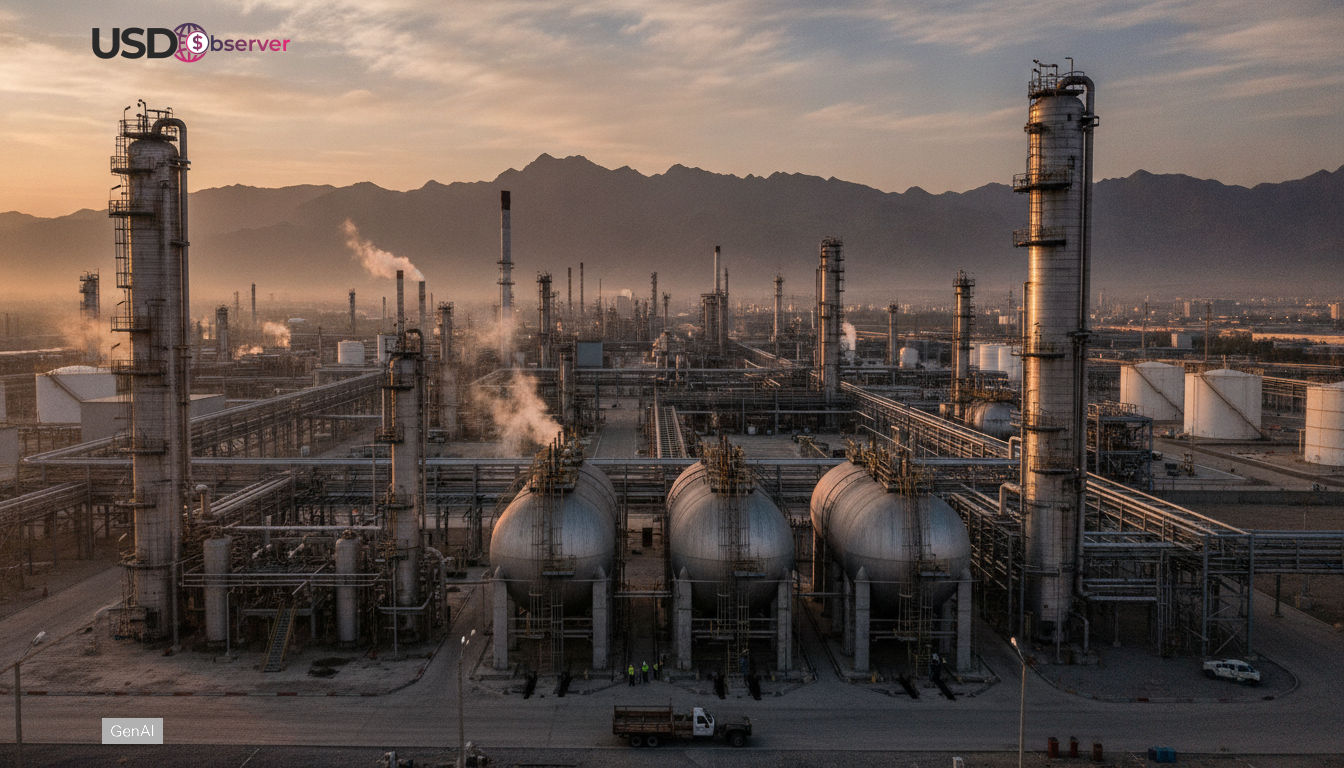
Oil and shipping remained the main transmission channels from the region into global inflation expectations. Today, the BBC reported sharp moves in crude pricing tied to heightened blockade fears in Oil price soars above $118 after reports of extended Iran blockade, and that price action quickly fed into freight and airline hedging. Market chatter around an iran fuel crisis is also influencing refinery margins and product spreads in Asia. Live dashboards used by macro desks have shown stronger USD demand during energy spikes, tightening financial conditions for importers. Separately, online attention to an iran water crisis reddit thread highlights how domestic infrastructure stress can compound economic disruption. Policymakers have issued an Update to contingency planning for critical imports and emergency stock draw coordination.
Future Prospects for China’s EV Industry
Export timing now matters as much as product cost, because buyers are negotiating against fuel volatility and delivery lead times. Today, procurement teams are signing multi year fleet frameworks that bake in electricity pricing assumptions and charging access guarantees, and China’s EV industry is using that certainty to scale production runs. For investors, the scenario most discussed is iran crisis 2026, where prolonged instability would keep energy risk premiums elevated and strengthen the business case for electrification in logistics corridors. Live policy tracking in Europe and the Gulf shows subsidies shifting toward infrastructure and away from direct vehicle rebates, which favors brands that can co fund chargers. Analysts at S&P Global Mobility have emphasized that battery supply contracts and localized assembly will decide winners. An Update to trade compliance and rules of origin is becoming a routine cost of growth.