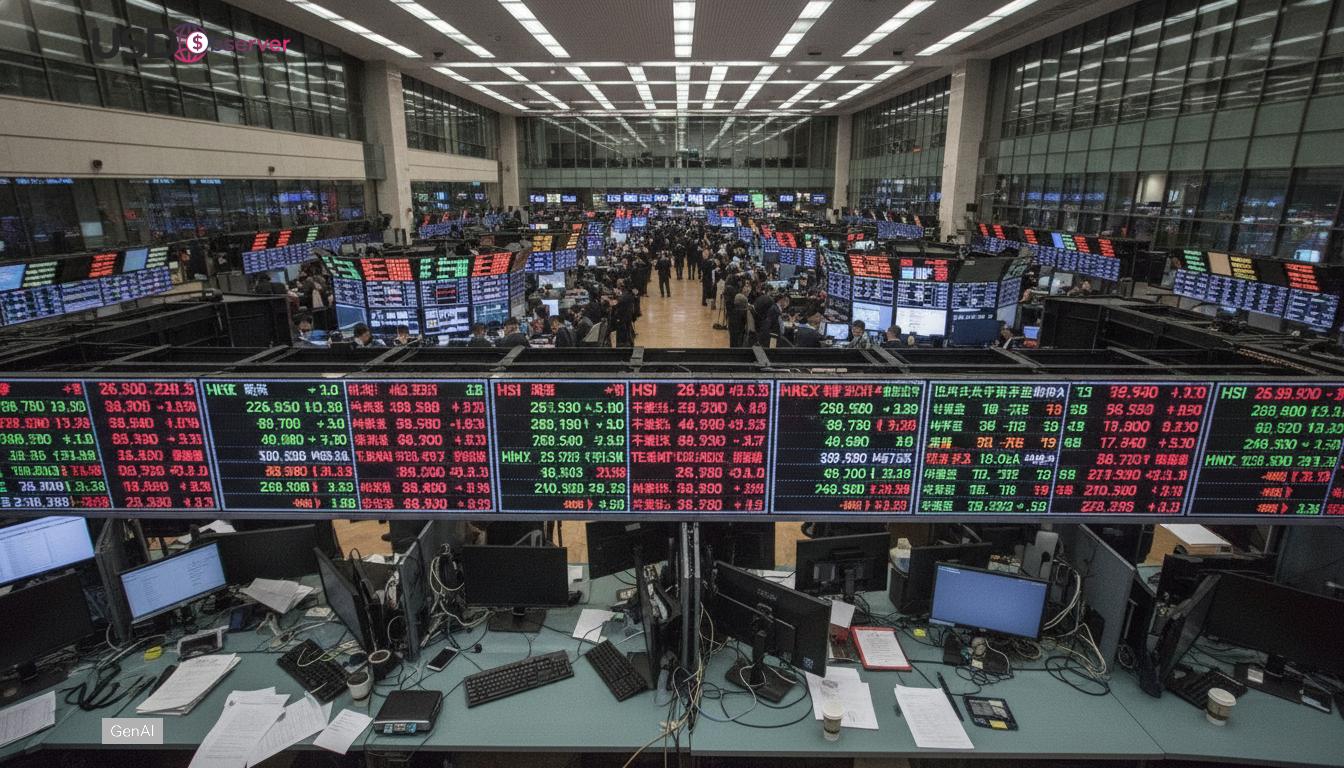
The latest escalation in the Middle East is forcing investors to confront an uncomfortable reality: the traditional 60 percent equities and 40 percent bonds portfolio may no longer provide the diversification shield it once promised. As geopolitical tensions intensify and energy markets surge, stocks and bonds have fallen in tandem, challenging the foundation of modern portfolio construction.
The 60 40 model gained popularity over decades because government bonds typically rallied during equity market stress. When stocks declined amid recession fears or financial shocks, Treasury prices tended to rise, cushioning portfolio losses. This inverse relationship helped institutional investors such as pension funds and insurers manage volatility.
Recent market action, however, has unsettled that logic. Following military escalation involving Iran and disruptions tied to the Strait of Hormuz, global equity markets dropped sharply while U.S. Treasury yields rose. Instead of acting as a hedge, bonds came under pressure as investors recalibrated inflation expectations linked to higher oil prices.
Volatility measures in both fixed income and equity markets have climbed, underscoring the breakdown in traditional cross asset correlations. Analysts note that persistent fiscal deficits, elevated public debt levels, and inflation above central bank targets have weakened the defensive appeal of long duration government bonds. When energy prices surge, bond markets can react negatively if traders anticipate tighter monetary policy.
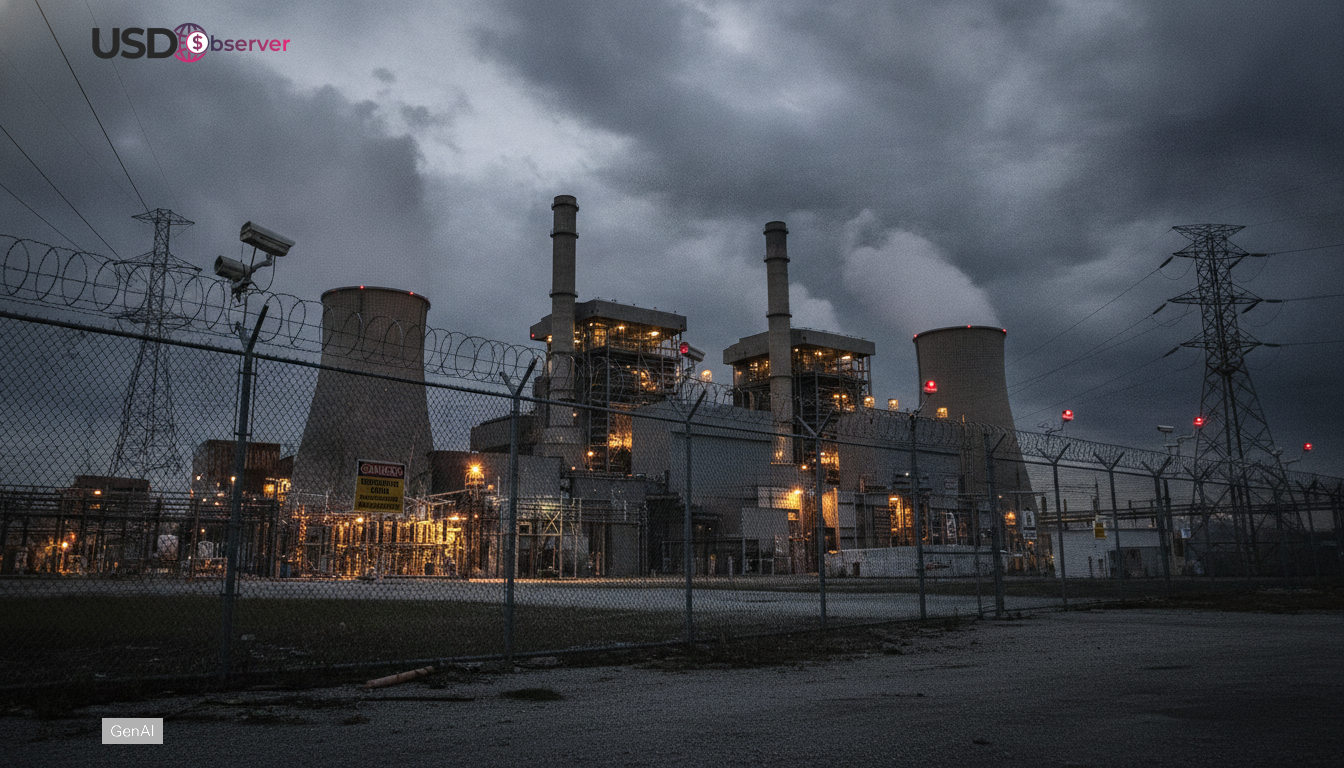
The renewed spike in crude oil has reinforced those concerns. Energy disruptions can simultaneously weigh on economic growth and fuel price pressures, creating a challenging backdrop for policymakers. If central banks maintain higher interest rates for longer to anchor inflation expectations, bond valuations remain vulnerable.
International institutions have previously highlighted the risk of rising stock bond correlations during periods of macroeconomic stress. When both asset classes decline together, diversification benefits diminish and portfolio losses can deepen. This dynamic raises questions about risk management frameworks built around historical relationships that may no longer hold consistently.
Investors are exploring alternatives. Some market strategists argue that private assets or infrastructure investments may offer partial insulation from daily market swings. Others point to commodities as a potential hedge during geopolitical turmoil. Yet recent trading has shown that even gold and industrial metals can experience sharp, liquidity driven selloffs alongside equities.
The debate now centers on whether the breakdown in diversification is structural or cyclical. Before the latest conflict, correlations between stocks and bonds had begun to normalize, with bonds occasionally regaining their traditional defensive characteristics. A prolonged energy shock, however, complicates that recovery by introducing both inflation and recession risks.
For portfolio managers, the current environment underscores the importance of broader diversification across asset classes, geographies, and liquidity profiles. Reliance on a single historical allocation formula may prove insufficient in a world shaped increasingly by geopolitical shocks and commodity volatility.
As markets adjust to evolving risks, the durability of the 60 40 framework will likely remain under scrutiny, particularly if inflation expectations and energy prices continue to influence both equities and bonds simultaneously.